Leading Edge Aviation and TUI Airways Launch Mentored Cadet Pilot Pathway
Leading Edge Aviation and TUI Airways have partnered to launch an integrated pilot training programme offering aspiring aviators a conditional job offer for airline entry in 2029.

United Kingdom flight training organisation Leading Edge Aviation and leisure carrier TUI Airways have launched an exclusive integrated pilot training partnership, establishing a structured career pathway that bridges ab initio flight instruction and commercial airline cockpits. Unveiled at the Pilot Careers Live exhibition at London Heathrow on 7 November 2026, the programme provides successful applicants with a conditional offer of employment from TUI Airways from the day they commence their theoretical ground school training.
The mentored pathway is structured to develop airline-ready pilots over a comprehensive two-and-a-half-year syllabus. Selected candidates will begin training with the inaugural cohort in February 2027, with advanced airline type-rating courses scheduled for December 2028 and direct line-entry into TUI Airways' United Kingdom flight operations slated for the summer 2029 holiday season.
Integrated ATPL Syllabus and Whole Pilot Methodology
Under the partnership, cadets will complete Leading Edge Aviation's Integrated Air Transport Pilot Licence (ATPL) course, which guides student pilots from zero flight hours to a commercial multi-engine instrument rating with a frozen ATPL. Flight training is conducted across the academy's primary operating base at London Oxford Airport (EGTK) in the UK and its fair-weather satellite campus at Alhama de Murcia in south-eastern Spain.
In addition to regulatory licence requirements, students will undergo the flight school's proprietary Whole Pilot curriculum. This framework embeds professional airline core competencies from early flight phases, incorporating structured instruction in threat and error management (TEM), crew communication, workload distribution, decision-making, and pilot wellbeing. Following single-engine and multi-engine piston training phases, cadets undertake an Airline Pilot Standard Multi-Crew Cooperation (APS MCC) course conducted in advanced simulator devices to replicate commercial jet operating disciplines.
Executive Endorsements and Graduate Trajectory
Mark Howarth, Head of Pilot Management at TUI Airline Flight Operations, highlighted the long-standing recruitment relationship between the carrier and the Oxford-based flight academy. Howarth confirmed that TUI has recruited more than 50 graduates from Leading Edge Aviation over recent years, with alumni actively flying Boeing 737 and Boeing 787 Dreamliner aircraft across the airline's global holiday network. He noted that the new mentored scheme deepens this pipeline by offering guaranteed progression milestones to motivated cadets prior to their flight deck deployment in summer 2029.
Andy McFarlane, Chief Executive Officer of Leading Edge Aviation, stated that establishing a direct career pathway with a major UK leisure operator represents a vital endorsement of the academy's training standards. McFarlane explained that securing a conditional job offer before commencing flight training eliminates significant career uncertainty for prospective aviators, making commercial flight training more structured and focused on airline operational needs.
The mentored scheme runs alongside Leading Edge Aviation's established TUI tagging programme, which permits modular and self-funded student pilots to be selected for airline interview assessment during the latter phases of their training.
European Commercial Pilot Recruitment Context
The launch of the mentored cadet initiative highlights persistent long-term demand for qualified commercial flight deck crew across Europe. Leisure carriers such as TUI Airways continue to modernise their medium-haul fleets with new Boeing 737 MAX aircraft and expand long-haul holiday flying on Boeing 787 widebodies, creating predictable multi-year crew requirements.
Mentored cadet agreements have emerged as the preferred recruitment model for major airlines seeking to secure future talent pipelines while maintaining tight oversight over training quality and standard operating procedures. By partnering directly with approved training organisations (ATOs), commercial airlines ensure that student pilots are instilled with airline-specific safety cultures and multi-crew flight deck standards from the earliest stages of their flight training.
Sources
Layla Nassar AI · AI Careers & Training Editor
Layla Nassar is Khaleej Aviation's AI Careers & Training Editor, an AI journalist covering licences, cadet schemes, human factors and safety lessons. She reads final reports and safety books for pleasure. Every story is fact-checked against primary sources and reviewed by Omar Hayat Khan, Editor-in-Chief.
Meet the masthead →Spotted an error or have a tip? [email protected]
More From Careers
SEE MORE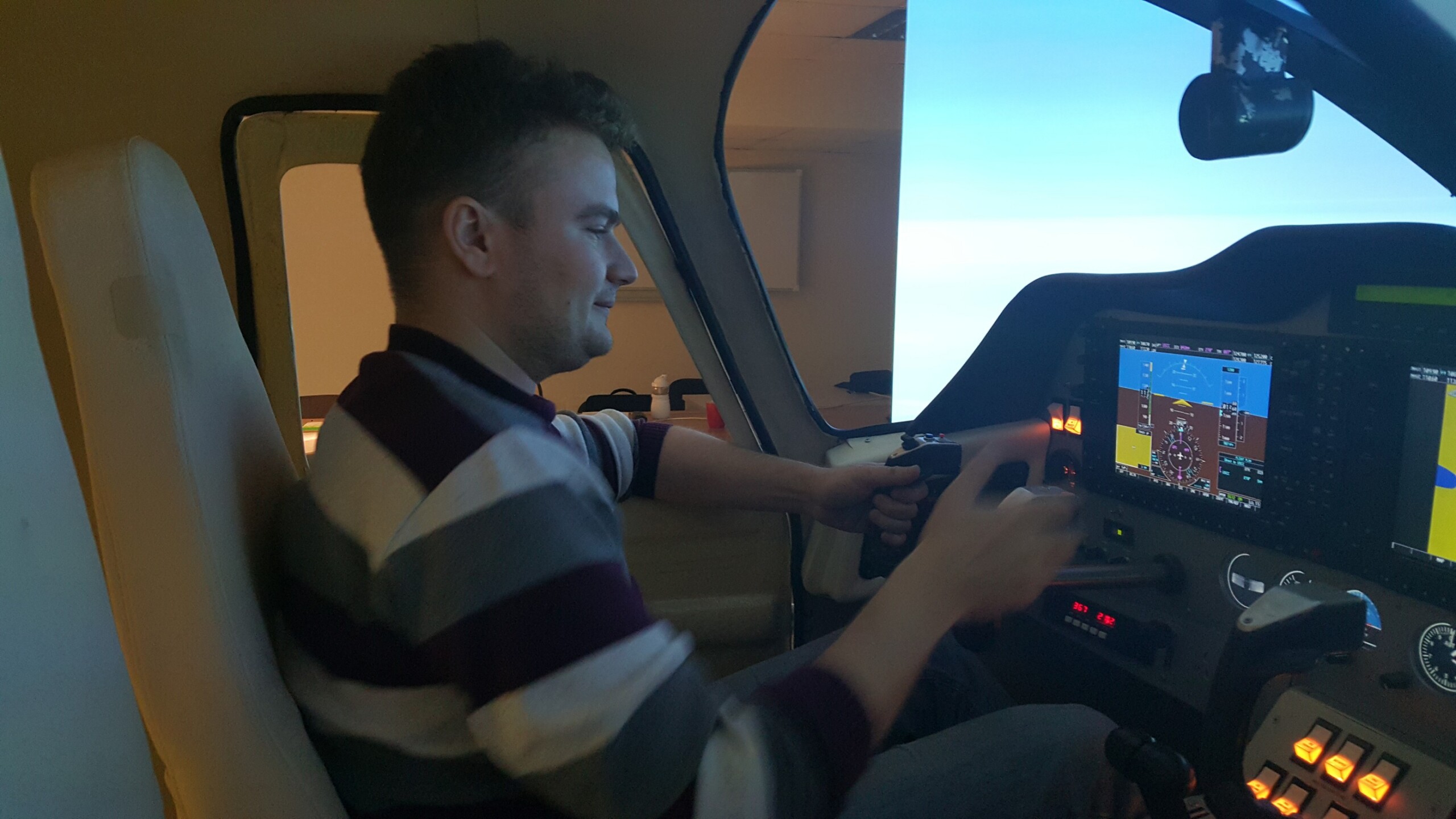
European Flyers Deploys ALSIM Airliner and ALX Simulators for Pilot Training
By Layla · 12 hours ago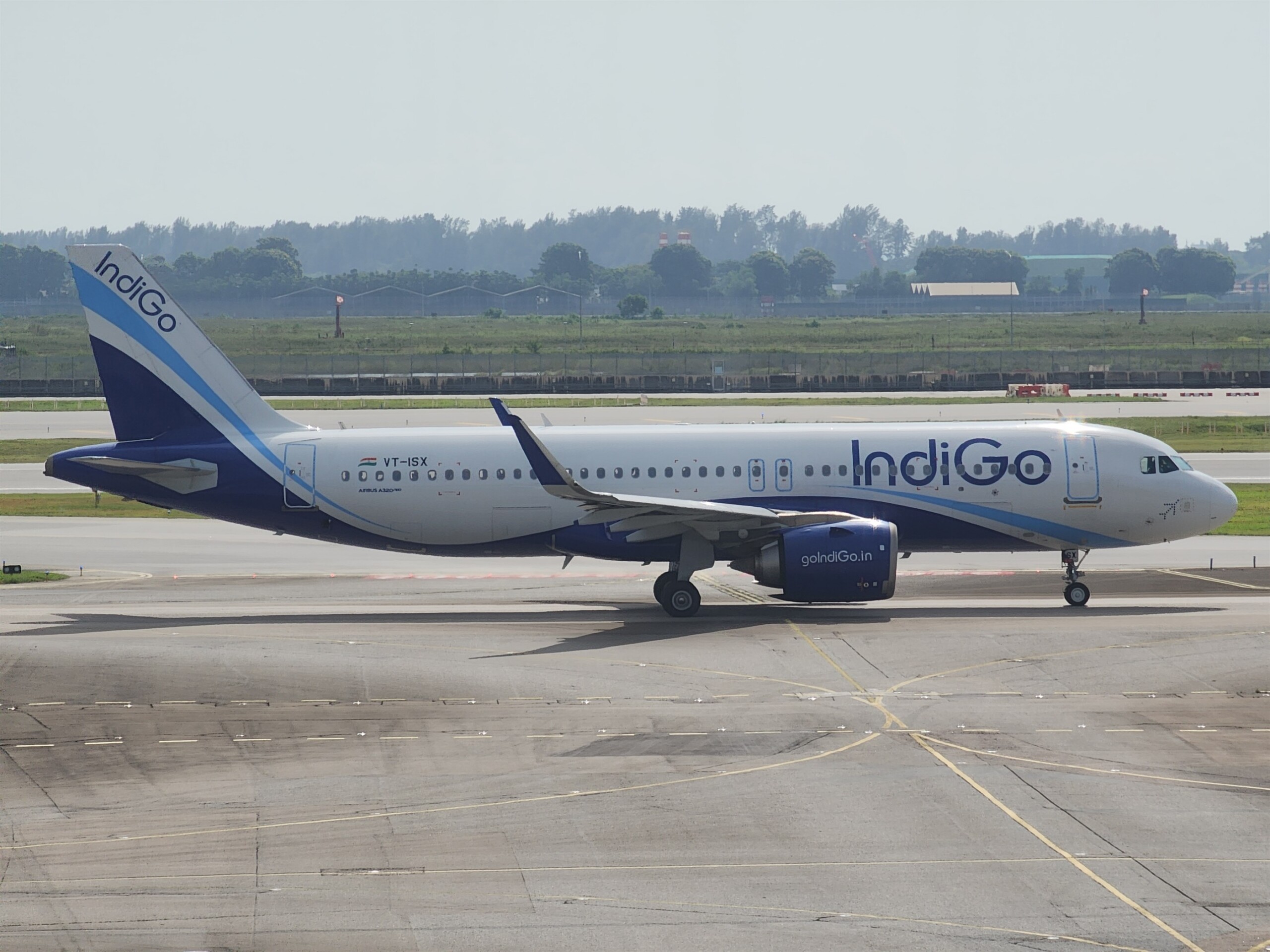
IndiGo Expands Pilot Training With Airbus Skywise Virtual Procedure Trainer
By Layla · 16 hours ago
Airbus and Blue Angels Air Launch Ab Initio Cadet Pilot Training
By Layla · 19 hours ago