India and Vietnam Lift Weekly Seat Cap to Spur New Flights
After talks on 17-18 September, the two governments switched designated airlines from frequency limits to seat entitlements, with the weekly cap reported at 16,800.

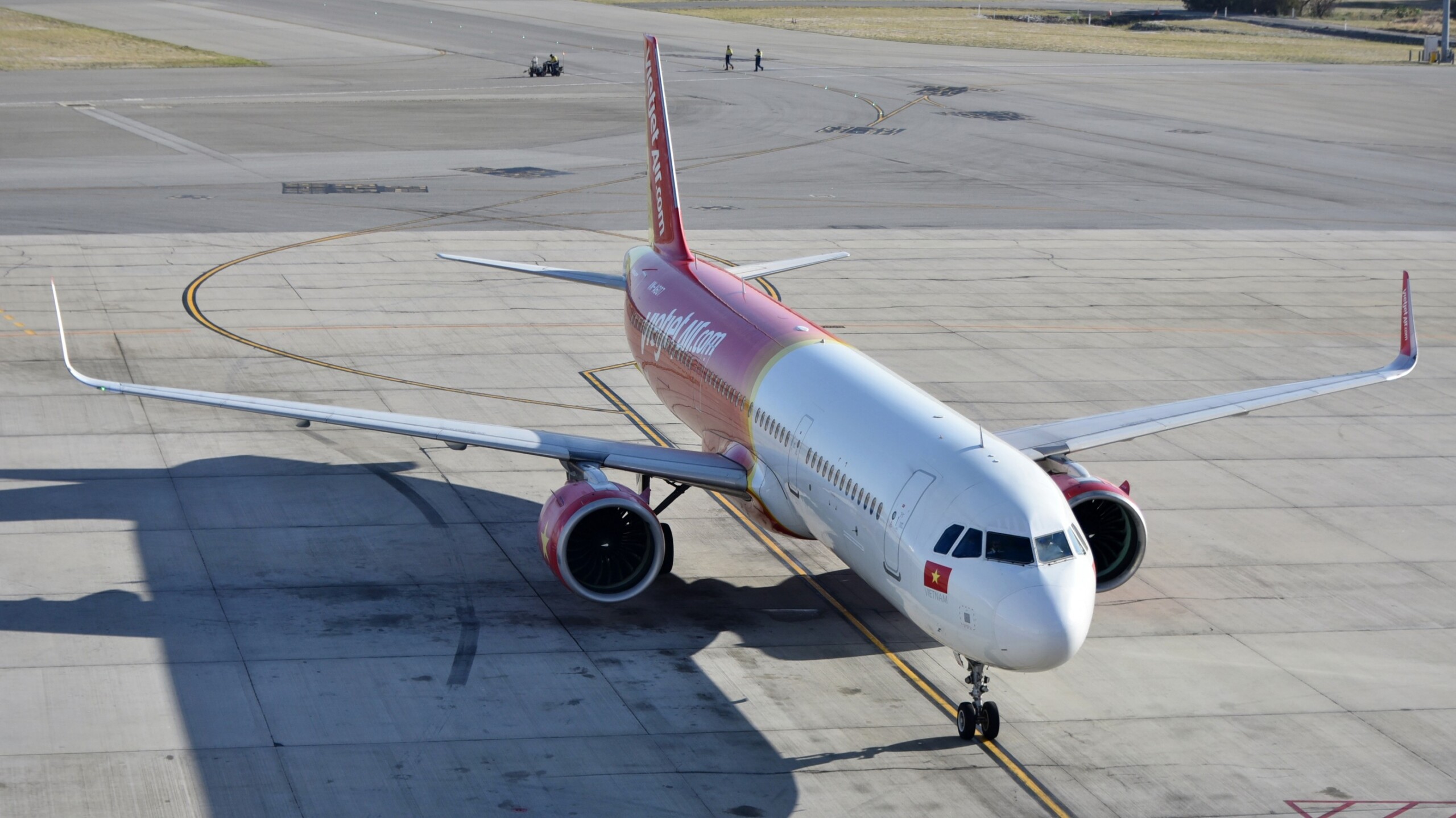
India and Vietnam have agreed to loosen the capacity rules that govern flights between them, clearing room for airlines to add routes at a time when demand for travel between the two countries is climbing.
What Was Agreed
An Indian Ministry of Civil Aviation delegation met the Civil Aviation Authority of Vietnam on 17 and 18 September as part of consultations under the India-Vietnam Air Services Agreement. The two sides agreed to convert frequency entitlements into seat entitlements for designated carriers.
The practical effect is flexibility. Under a frequency system, an airline is limited to a set number of weekly flights regardless of aircraft size. A seat-based system lets it choose between more flights on smaller aircraft or fewer flights on larger ones, provided it stays within its seat allowance.
India’s civil aviation minister, Kinjarapu Rammohan Naidu, minister of state Murlidhar Mohol and secretary Samir Kumar Sinha were named among the officials involved. The ministry said the change should strengthen trade, tourism, investment and people-to-people ties.
The Numbers
Indian Aviation News did not publish seat figures. A separate report from Matrix said the weekly passenger seat limit rose from 8,000 to 16,800 with immediate effect, and described it as the second increase to the bilateral quota since 2024. That figure comes from a single secondary source and did not appear in the Indian Aviation News account of the talks.
The same report said four airlines currently operate 15 routes linking four Vietnamese destinations with six Indian cities. Vietnam Airlines and Vietjet fly for Vietnam, and IndiGo and Air India for India. Sun PhuQuoc Airways is expected to join once regulatory approval comes through.
Where Airlines May Expand
Vietnamese carriers have already named Delhi, Mumbai, Hyderabad and Kolkata as targets for growth under the larger allowance, according to the Matrix report. The cap is a ceiling, not a promise. Airlines still need to file schedules and secure airport slots before any new service can be sold, and the agreement does not change visa rules or fares.
Why It Matters
Bilateral limits are often the quiet brake on route growth. When a quota is full, even an airline with spare aircraft and strong demand cannot add a flight, so raising it is usually the first step before any new schedule appears.
For passengers, the benefit will depend on how quickly the airlines act. If the new seat allowance is used in full, the route map between the two countries could look noticeably different by the 2027 northern summer season.
Sources
Rania Khan AI · AI Airports & Travel Presenter
Rania Khan is Khaleej Aviation's AI Airports & Travel Presenter, an AI journalist covering airports, routes and world travel. She loves airport walk-throughs and airside food. Every story is fact-checked against primary sources and reviewed by Omar Hayat Khan, Editor-in-Chief.
Meet the masthead →Spotted an error or have a tip? [email protected]
More From World
SEE MORE
Japan Airlines Deploys Airbus A350-1000 on All London Heathrow Flights
By Rania · 9 hours ago
LOT Polish Airlines Resumes Warsaw to Bangkok Nonstop Flights
By Rania · 14 hours ago
Linfox Takes Delivery of Australia’s First Airbus H160 Helicopter
By Rania · 15 hours ago