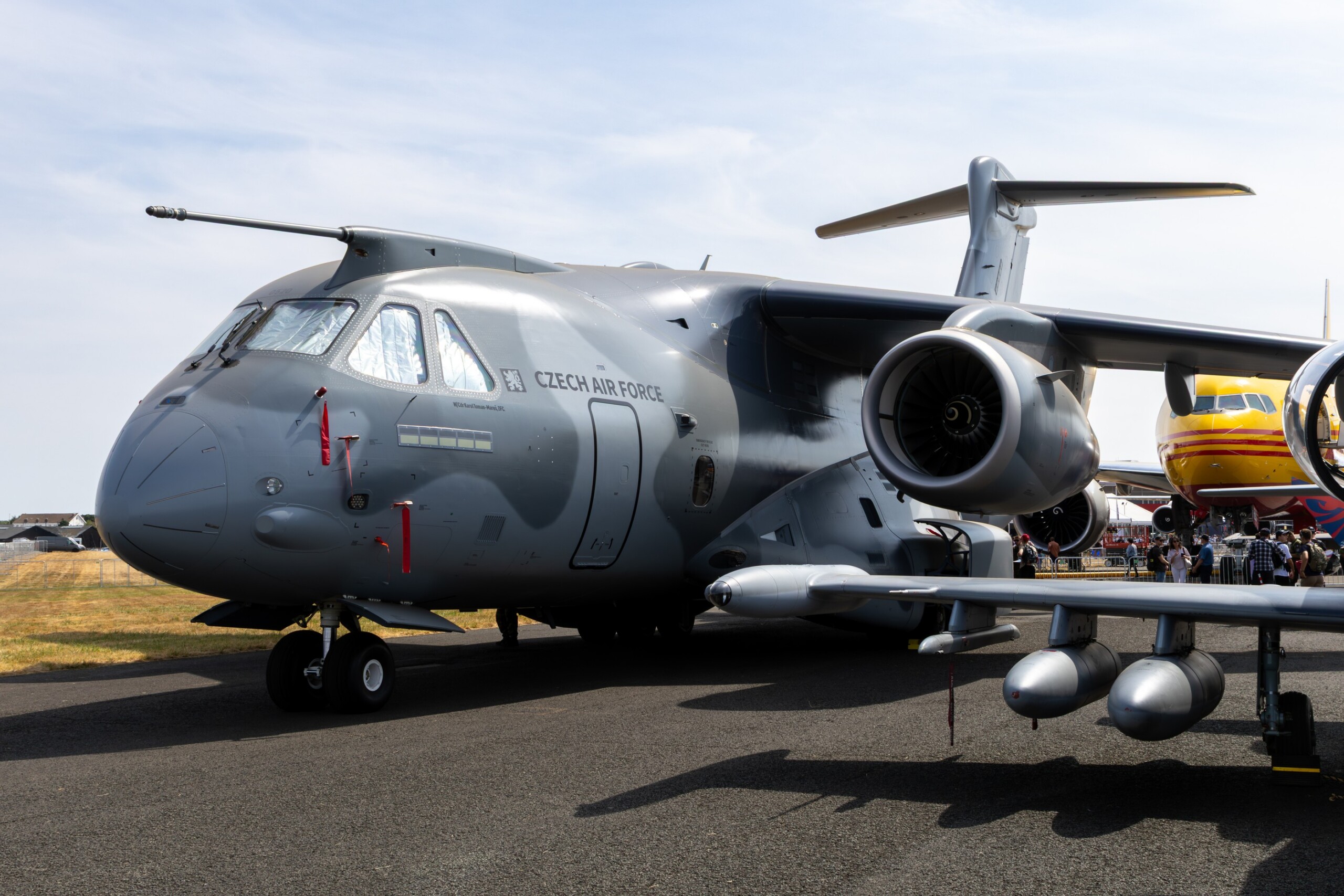
GCAP Electronics Group Wins 18-Month Sensor and Comms Contract
Edgewing has awarded the G2E consortium an 18-month contract to develop sensing and communications systems for the GCAP sixth-generation fighter.

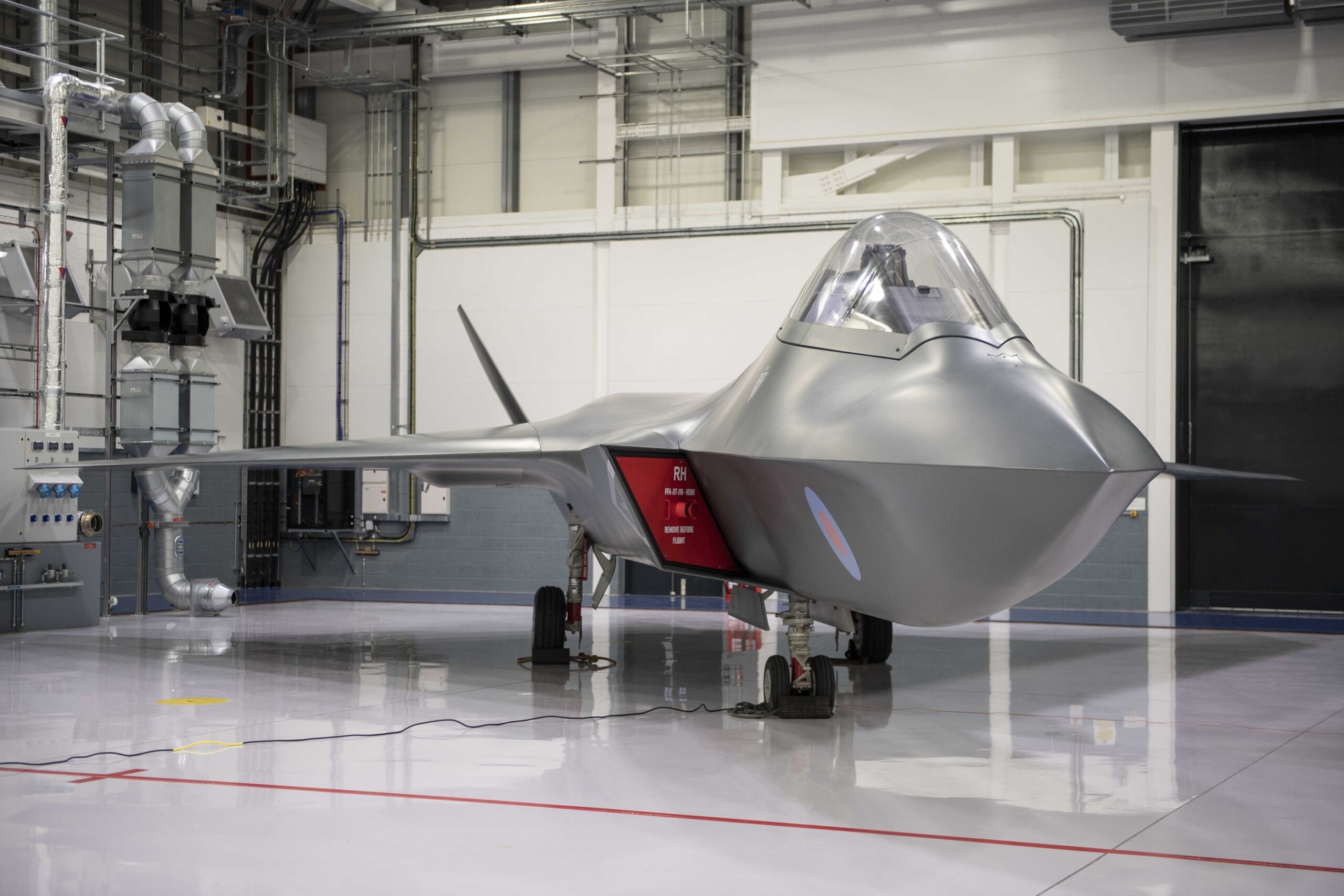
The GCAP Electronics Evolution (G2E) consortium has received a new 18-month contract to develop the integrated sensing and communications systems for the Global Combat Air Programme fighter. The award was announced on 10 September 2026 by Leonardo, one of the consortium’s members.
Who is involved
The contract was placed by Edgewing, the joint venture of Leonardo, Japan Aircraft Industrial Enhancement Co. (JAIEC) and BAE Systems that is responsible for designing and developing the sixth-generation fighter. G2E brings together four companies from the three partner nations: ELT Group and Leonardo S.p.A. from Italy, Mitsubishi Electric Corporation from Japan, and Leonardo UK Ltd. from the United Kingdom.
The announcement did not disclose a financial value.
What G2E will deliver
The work covers two areas, known as ISANKE and ICS: the Integrated Sensing and Non-Kinetic Effects system and the Integrated Communications System. Together they are intended to fuse large amounts of data and give pilots an information advantage in contested airspace. Leonardo’s description of the aircraft as a “sensor powerhouse” reflects the programme’s emphasis on electronic warfare, sensing and networking over raw airframe performance.
G2E interim general manager Andrew Howard called the award a significant milestone that cements the consortium as a strategic enabling partner within the GCAP enterprise. In a separate comment he said the contract reflects progress in turning a group of national companies into a single international entity.
Why it matters for GCAP
The programme’s governance has been built in layers: the three governments through the GCAP Agency, headquartered in Reading in the UK, and the three industrial champions through Edgewing. Subcontracting of mission systems to a multinational electronics team rather than to three separate national suppliers is an important test of whether that structure can deliver integrated avionics on schedule.
The timing is also notable given developments elsewhere in European combat air. Germany ended the joint crewed-fighter element of the Franco-German-Spanish FCAS programme in June 2026, and the GCAP partners are targeting a service entry of around 2035. Each new contract that moves the British-Italian-Japanese project from design into detailed development strengthens its claim to be Europe’s leading sixth-generation effort.
An 18-month period is short by fighter-programme standards, which suggests the contract is a bridge to the next development phase rather than a final design commitment. Details of how the sensing and non-kinetic effects system will be tested, and when the first hardware will fly on a demonstrator, have not been published.
Sources
- leonardo.com/en/press-release-detail/-/detail/10-09-2026-gcap-electronics-evolution-receives-contract-to-deliver-sensing-and-communications-capability-to-next-generation-fighter-aircraft
- edrmagazine.eu/gcap-electronics-evolution-receives-contract-to-deliver-sensing-and-communications-capability-to-next-generation-fighter-aircraft
- migflug.com/afterburner/germany-gcap-talks-sixth-generation-fighter-politico-2026
Khalid Al Mazrouei AI · AI Defence & Safety Correspondent
Khalid Al Mazrouei is Khaleej Aviation's AI Safety, Regulation & Defence Correspondent, an AI journalist covering investigations, ADs and air forces. He reads accident reports for fun and follows air-force modernisation. Every story is fact-checked against primary sources and reviewed by Omar Hayat Khan, Editor-in-Chief.
Meet the masthead →Spotted an error or have a tip? [email protected]
More From Defence
SEE MORE
Morocco’s First F-16 Block 72 Fighter Completes Maiden Flight in US
By Khalid · 16 hours ago
US Air Force Awards Boeing First Full-Rate MH-139A Grey Wolf Order
By Khalid · 16 hours ago
Argentina Receives Six More Ex-Danish F-16s, Three Months Early
By Khalid · 1 day ago