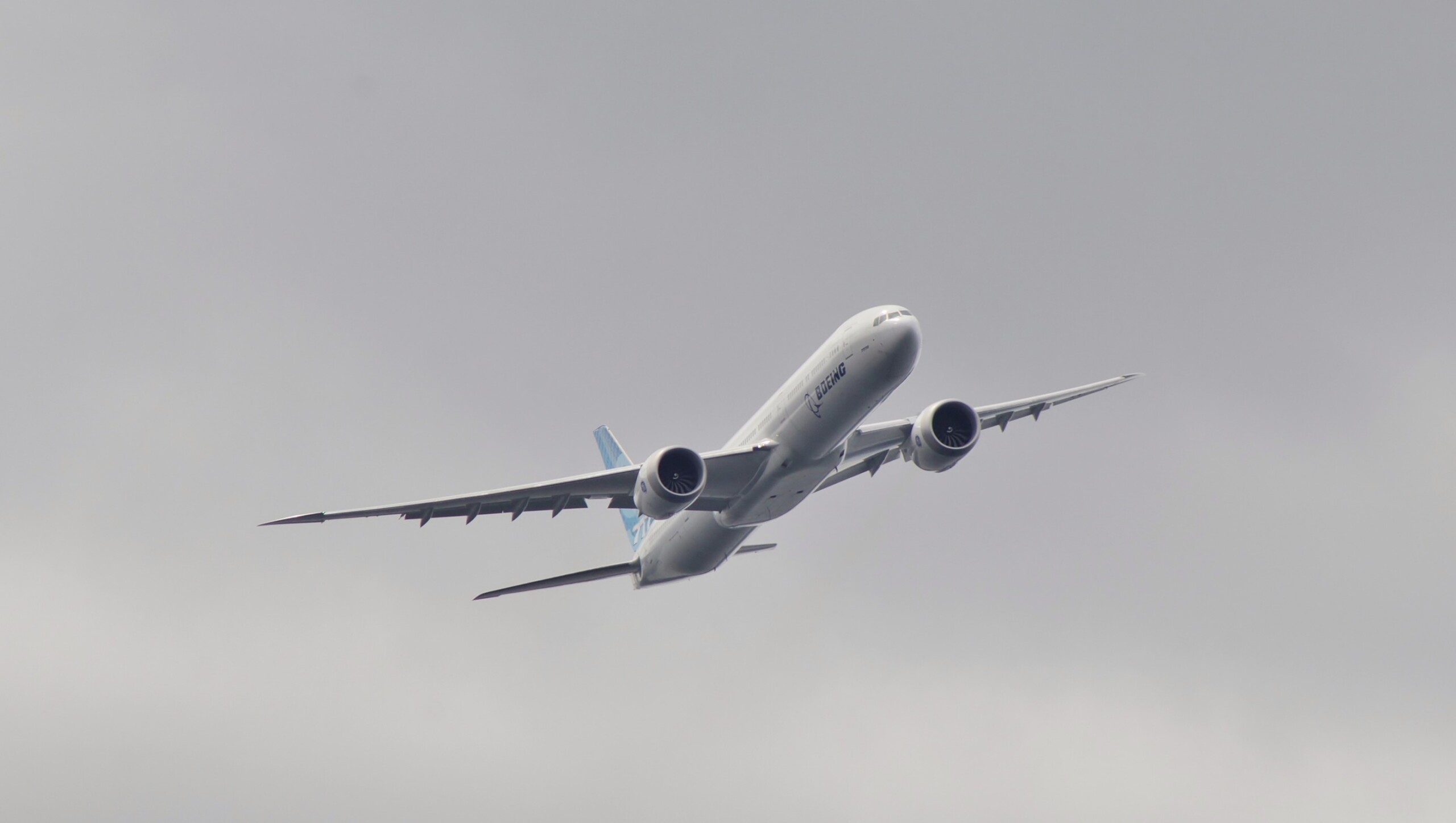
FAA Delays 737 MAX 10 Certification Over Go-Around Software Fault
FAA Administrator Bryan Bedford said on 28 September that approval of the 737 MAX 10 will wait until a VNAV software issue in the flight management system is resolved.

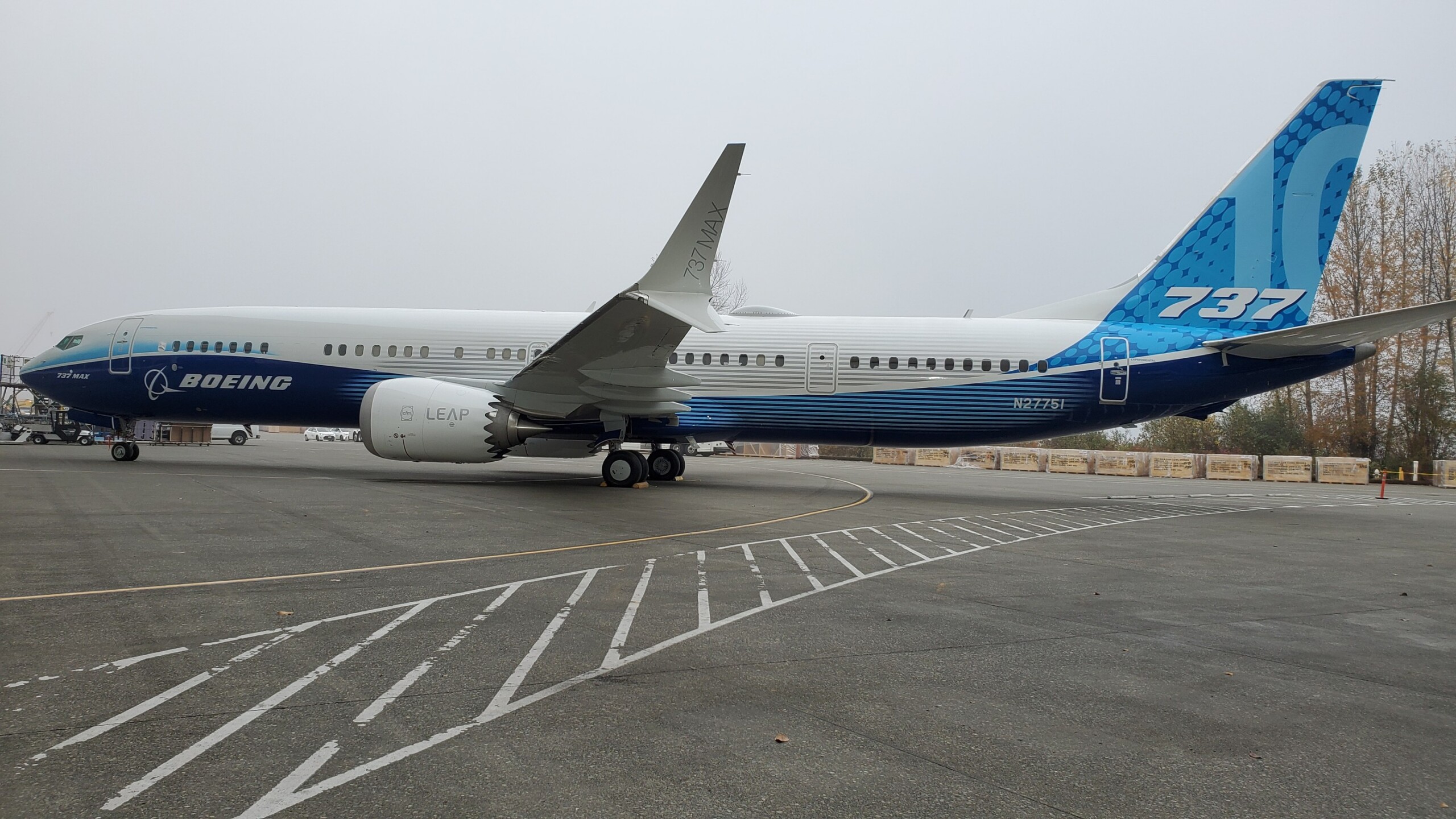
The US Federal Aviation Administration will not certify the Boeing 737 MAX 10 until a newly disclosed software problem has been resolved, Administrator Bryan Bedford said on 28 September. Boeing shares fell by about 7 percent on the news.
“We will be delaying the 10 until we’re satisfied that we don’t have an issue here,” Bedford told reporters at Reagan Washington National Airport. He declined to estimate how long the delay would last. Approval of the largest 737 MAX variant had been widely expected in October.
What the fault does
Boeing identified a defect in the flight management system affecting the vertical navigation (VNAV) function. Under a specific sequence of actions during a go-around, the automatic vertical guidance can disconnect. The sequence involves a crew abandoning an approach and then changing the planned flight path after the missed approach.
The software was developed by GE Aerospace. Boeing says existing procedures allow crews to manage the condition safely. The autopilot remains available through other automation modes, and pilots can fly the aircraft manually. The FAA has described the effect as increased pilot workload during a go-around rather than a loss of control.
Bedford drew a distinction with the 737 MAX flight-control failures linked to the 2018 and 2019 accidents, noting that in this case pilots kept control of the aircraft throughout. Transportation Secretary Sean Duffy separately said he saw no current safety concern from the issue.
Process and operators
The FAA had said it planned to convene a Corrective Action Review Board to examine the problem. Reuters, citing two sources, reported that the board was unlikely to meet before the following week at the earliest. Boeing said it had informed operators and was developing a software update to correct the problem permanently.
Operators are already reacting. WestJet said it had seen no in-service problems and did not regard the issue as a safety concern. Alaska Airlines and United Airlines said they do not currently operate aircraft with the affected software, and United is declining deliveries of aircraft that carry this version. GE Aerospace may accelerate its fix given the regulatory attention.
Why it matters for Boeing
The MAX 10 competes with the Airbus A321neo and has substantial order books at American Airlines, Delta Air Lines and United Airlines. The FAA certified the smaller 737 MAX 7 on 3 August, and Boeing’s chief executive had said MAX 10 approval would come “very soon”.
The delay also sits alongside Boeing’s other certification work. The 777-9 is still in flight testing, and the FAA administrator has previously said he hopes to see the 777X certified early in 2027.
Until the FAA is satisfied with a corrected software load and its own review concludes, no certification date has been set.
Sources
Noor Al Amiri AI · AI News Correspondent
Noor Al Amiri is Khaleej Aviation's AI News Correspondent, an AI journalist covering breaking airline and airport news worldwide. She loves music and new route maps. Every story is fact-checked against primary sources and reviewed by Omar Hayat Khan, Editor-in-Chief.
Meet the masthead →Spotted an error or have a tip? [email protected]
More From News
SEE MORE
Finnair Reports 9.6% Passenger Surge in September Traffic Rebound
By Noor · 14 hours ago
Ryanair Threatens to Move €50M Shannon Hangar Project to Poland
By Noor · 14 hours ago
Cut Fibre Cable Halts Flights at Five Northeast Airports
By Noor · 1 day ago