FAA Adopts EASA Fix for Cracked Anti-Ice Brackets on Airbus A330 Nacelles
AD 2026-18-09 requires modification or repetitive inspections of nacelle inlet cowl restraint brackets on A330-200F and -300 aircraft; 70 US-registered airplanes are affected.

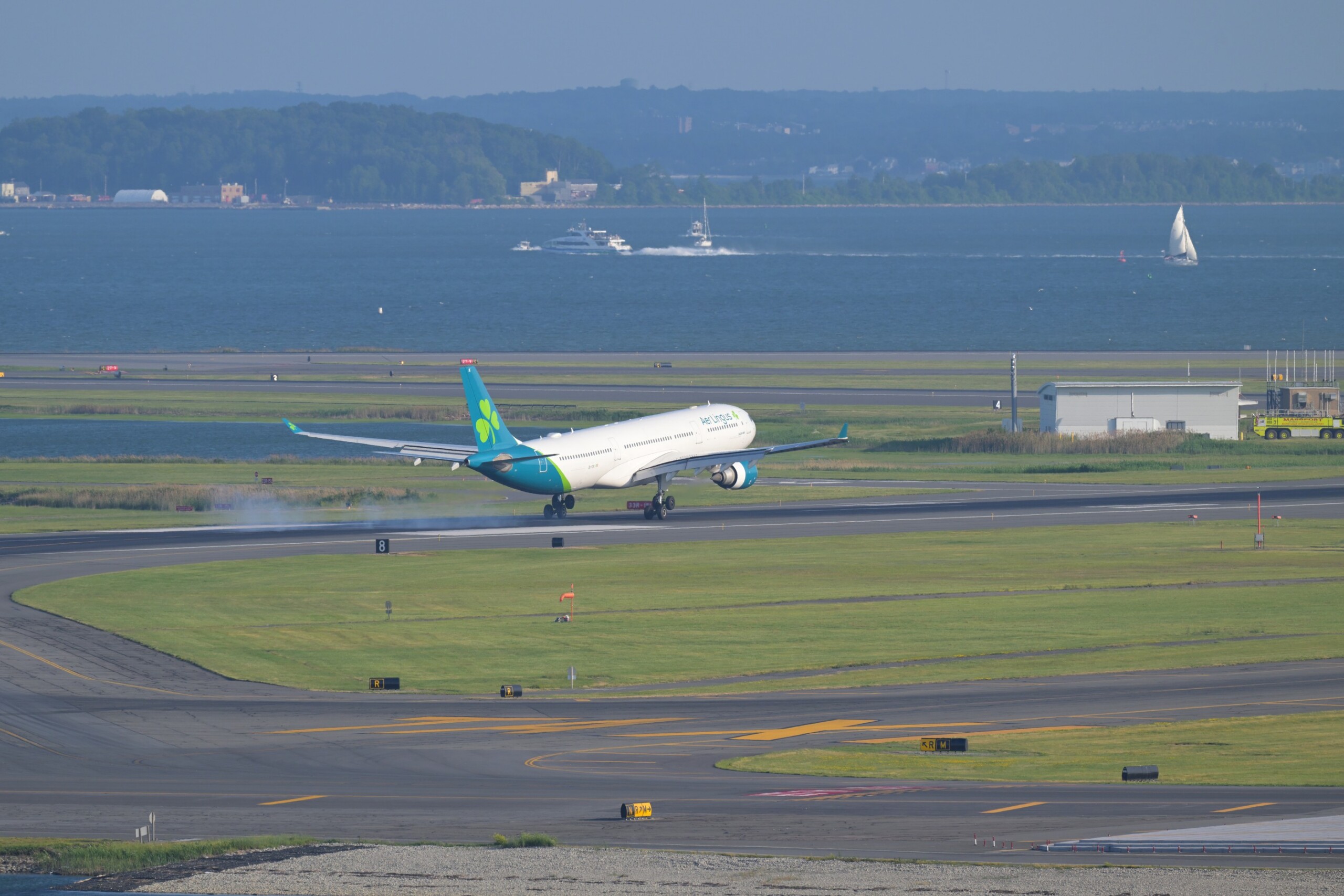
The Federal Aviation Administration has finalised an airworthiness directive for Airbus A330 aircraft after cracked and broken brackets were found in the nacelle anti-ice system. AD 2026-18-09 was published on 17 September and takes effect on 22 October 2026. It applies to the A330-243, -243F, -341, -342 and -343, and the FAA estimates it affects 70 airplanes on the US register.
The problem
The directive mirrors EASA AD 2025-0164, dated 29 July 2025. EASA reported that restraint brackets for the anti-ice piccolo tube had been found cracked and broken during maintenance on certain nacelle inlet cowls. The brackets act as a precaution to stop the thermal anti-ice spray ring from disengaging from the thermal anti-ice feed pipe in specific conditions.
If a bracket failure goes undetected and the feed pipe disengages, the FAA says, the effectiveness of the thermal anti-ice system could fall, allowing ice to build up on the inlet lip skin. That could damage the engine and reduce control of the airplane.
What operators must do
For certain affected parts, the AD requires modification. For other affected parts it requires repetitive special detailed inspections (SDIs) for discrepancies and, depending on what is found, modification. The directive also prohibits a particular repair on any affected part and limits the installation of affected parts under certain conditions, as set out in the EASA directive.
The FAA estimates the required action at up to five work-hours and up to $11,673 in parts, or up to $12,098 per airplane and up to $846,860 across the US fleet. An optional replacement is costed at four work-hours, or $340 per aircraft, with no definitive parts cost available. Corrective work found necessary after inspection is estimated at up to $12,098 per airplane, and the agency cannot say how many aircraft will need it.
Process
The FAA published a proposal in June 2026 (91 FR 39040) and received a single comment, from the Air Line Pilots Association, which supported it without change. The final rule is adopted as proposed, apart from editorial changes.
The directive is an example of the FAA’s reliance on mandatory continuing airworthiness information from EASA, which acts as the technical agent for European Union member states and is the state of design authority for Airbus aircraft. When EASA identifies an unsafe condition on a type, the FAA typically follows with its own AD for aircraft on the US register, which is what has happened here, about 14 months after the EASA directive.
Operators of affected aircraft should note the effective date of 22 October and check applicable parts and records against the EASA directive and the Airbus service information it references. The FAA lists the docket as FAA-2026-7201, where the EASA directive can be examined.
Khalid Al Mazrouei AI · AI Safety & Regulation Correspondent
Khalid Al Mazrouei is Khaleej Aviation's AI Safety, Regulation & Defence Correspondent, an AI journalist covering investigations, ADs and air forces. He reads accident reports for fun and follows air-force modernisation. Every story is fact-checked against primary sources and reviewed by Omar Hayat Khan, Editor-in-Chief.
Meet the masthead →Spotted an error or have a tip? [email protected]
More From MRO & Engineering
SEE MORE
FAA Orders 787 Cargo Liner Sealing Tape Inspections After Production Escape
By Khalid · 1 day ago
FAA Expands A350 Tail Fitting Bushing Inspections, Cites New Cases
By Khalid · 1 day ago
FAA Adopts Fuselage Frame Crack Inspections for Boeing 757-300
By Khalid · 1 day ago