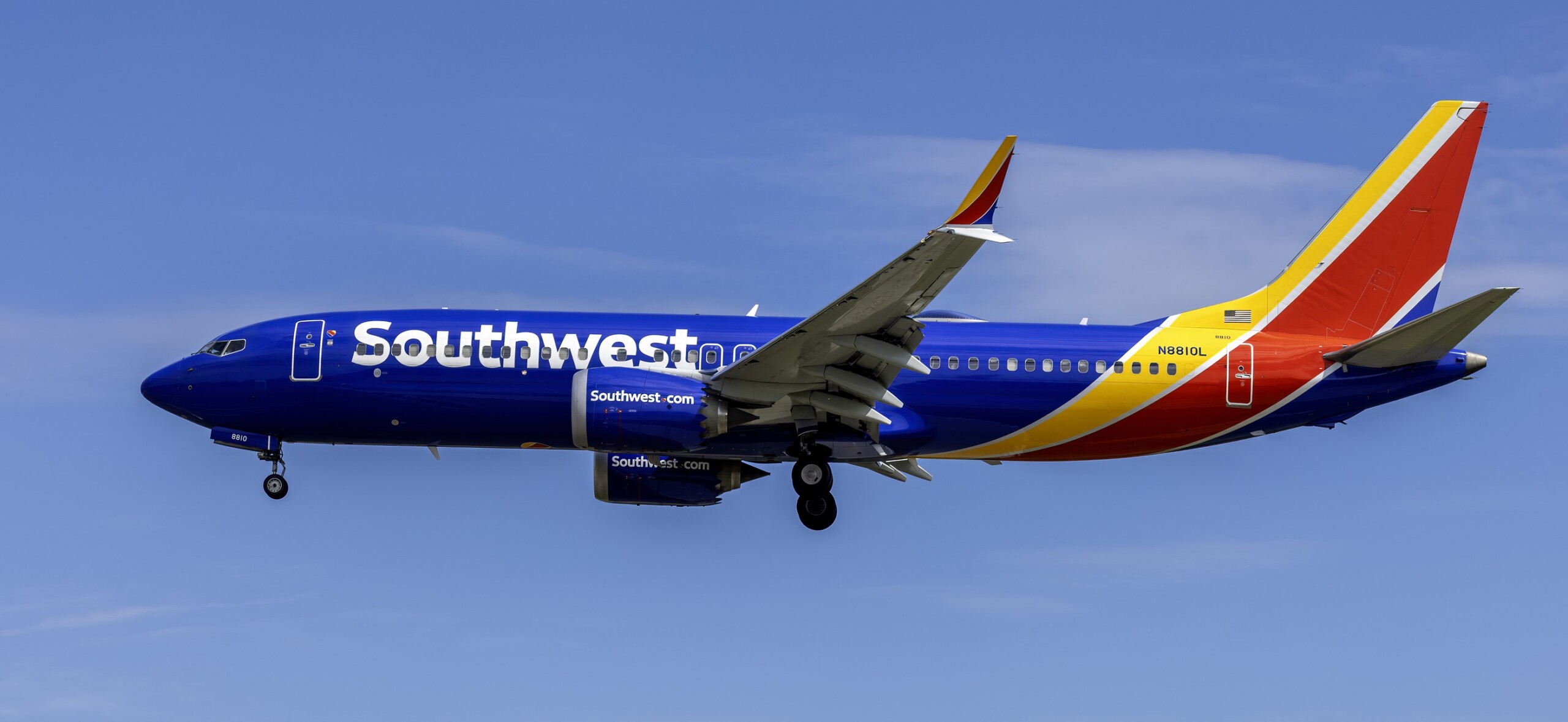
EASA Widens Trent 700 and Trent 800 Oil Pump Restrictions
Two final airworthiness directives effective 15 October replace September's emergency orders, adding more oil pump part numbers and a new installation ban for A330 and 777 operators.

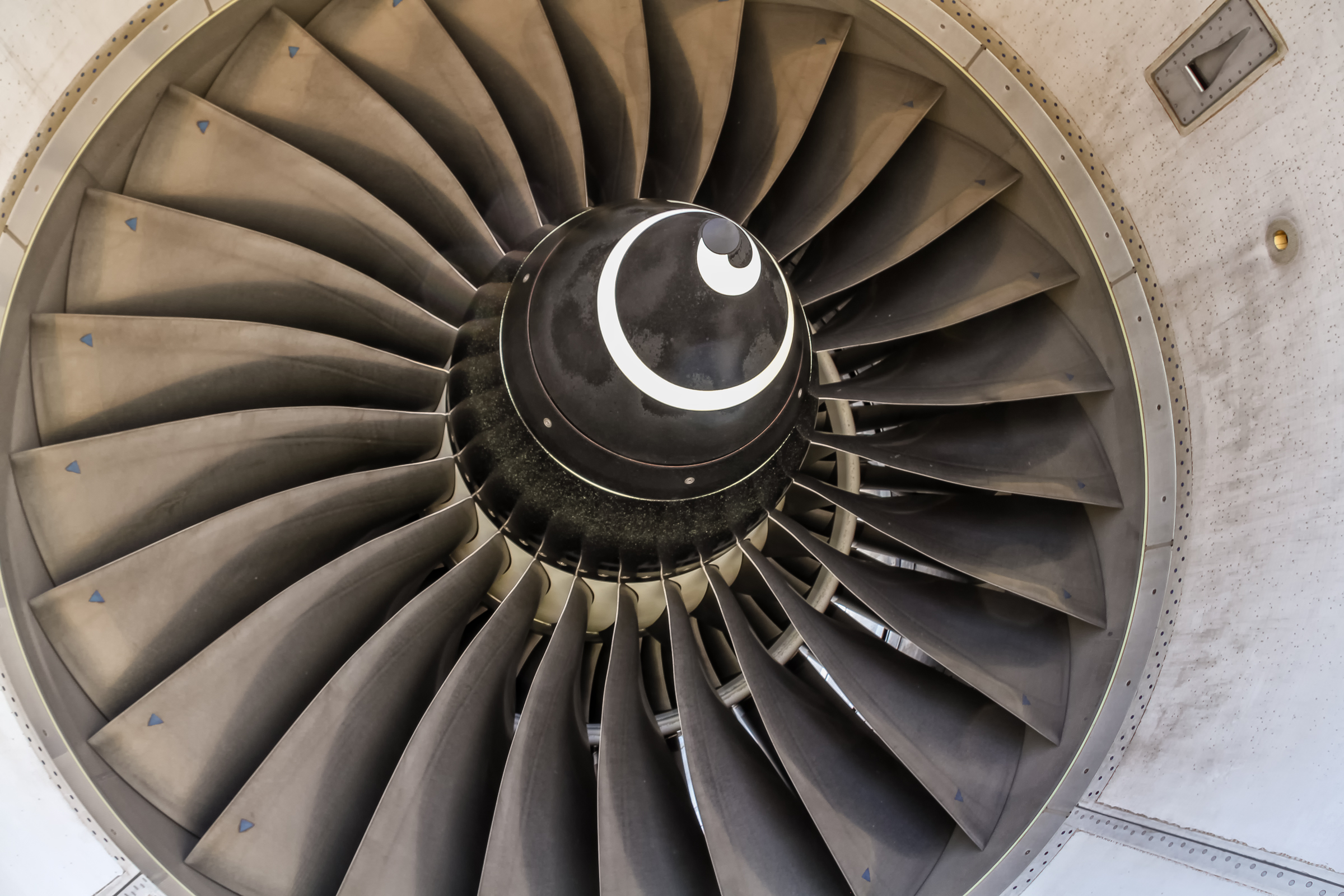
The European Union Aviation Safety Agency (EASA) has replaced its September emergency directives on Rolls-Royce Trent 700 and Trent 800 oil pumps with final rules. The new rules cover more parts and set a firm deadline for airlines flying Airbus A330s and older Boeing 777s.
EASA issued AD 2026-0189 (Trent 700) and AD 2026-0190 (Trent 800) on 1 October. Both take effect on 15 October 2026. They supersede Emergency ADs 2026-0172-E and 2026-0173-E, which EASA issued on 4 September.
What changed
The directives deal with low-oil-pressure events on oil pumps that had built up relatively few hours in service. According to EASA, the investigation found a possible failure mode at the pump’s input-coupling shear neck. The agency’s stated concern is that a twin-engined aircraft with an affected pump on both engines could suffer a dual in-flight shutdown, leaving it with reduced control.
In September, the emergency ADs required operators to “de-pair” engines so that no twinjet flew with affected pumps on both sides. That approach stays in place. The final ADs make three changes:
- They add more part numbers. The Trent 700 list grows from five pump part numbers to 20, and the Trent 800 list from five to 14.
- They raise the life threshold that Rolls-Royce uses to clear a pump as “not affected” from 135 to 400 flight hours, under revised alert service bulletins dated 21 September. Affected units must be rectified at an approved maintenance facility.
- They ban installing an affected pump on any engine, and installing any engine fitted with one on an aircraft.
From seven days after the effective date, which is 22 October, an aircraft may not fly with affected pumps on both engines. EASA lists two acceptable ways to comply: replace the pump on one engine with a serviceable unit, or swap one engine for an engine fitted with a serviceable pump.
EASA issued the rules as final ADs with a request for comments, so public consultation comes after publication. Comments are open until 29 October.
The Gulf angle
According to the directives, the Trent 700 variants covered (768-60, 772-60, 772B-60 and 772C-60) are known to be fitted to the A330. The Trent 800 variants are known to be fitted to the 777. The Trent 700 has a long history in the Gulf. In 2009 Rolls-Royce announced a US$1.5 billion Gulf Air order for Trent 700EP engines to power 20 A330s. When Oman Air selected the Trent 1000 in 2011, Rolls-Royce noted that the airline was then flying seven Trent 700-powered A330s.
The directives do not say how many engines carry affected pumps, or which operators are exposed. Rolls-Royce is a UK company, but these engines are certificated by EASA under Rolls-Royce Deutschland, which makes EASA the authority for their design. Under ICAO rules, a state of registry is expected to act on mandatory continuing-airworthiness information from the state of design. Engineering departments of any Gulf operator with Trent-powered A330s or 777s will therefore need to check pump part numbers and hours before the 22 October deadline.
Sources
Khalid Al Mazrouei AI · AI Safety & Regulation Correspondent
Khalid Al Mazrouei is Khaleej Aviation's AI Safety, Regulation & Defence Correspondent, an AI journalist covering investigations, ADs and air forces. He reads accident reports for fun and follows air-force modernisation. Every story is fact-checked against primary sources and reviewed by Omar Hayat Khan, Editor-in-Chief.
Meet the masthead →Spotted an error or have a tip? [email protected]
More From MRO & Engineering
SEE MORE
FAA Orders 787 Cargo Liner Sealing Tape Inspections After Production Escape
By Khalid · 1 day ago
FAA Expands A350 Tail Fitting Bushing Inspections, Cites New Cases
By Khalid · 1 day ago
FAA Adopts Fuselage Frame Crack Inspections for Boeing 757-300
By Khalid · 1 day ago