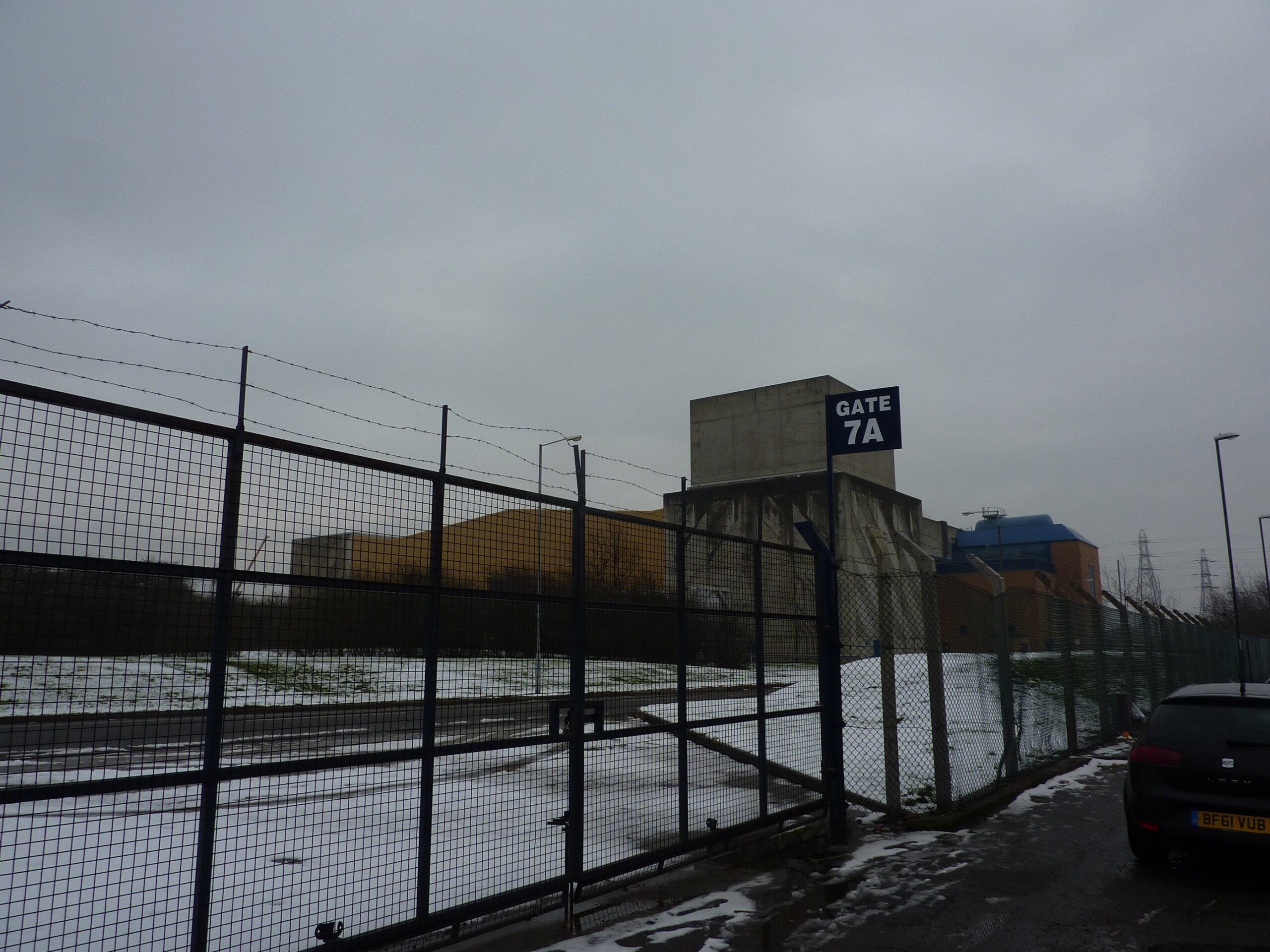
EASA: EU Sustainable Aviation Fuel Supply Reached 1.1 Million Tonnes in 2025
SAF made up 2.8% of aviation fuel supplied at EU airports last year, above the 2% ReFuelEU minimum, but about 85% of feedstocks came from outside the bloc.

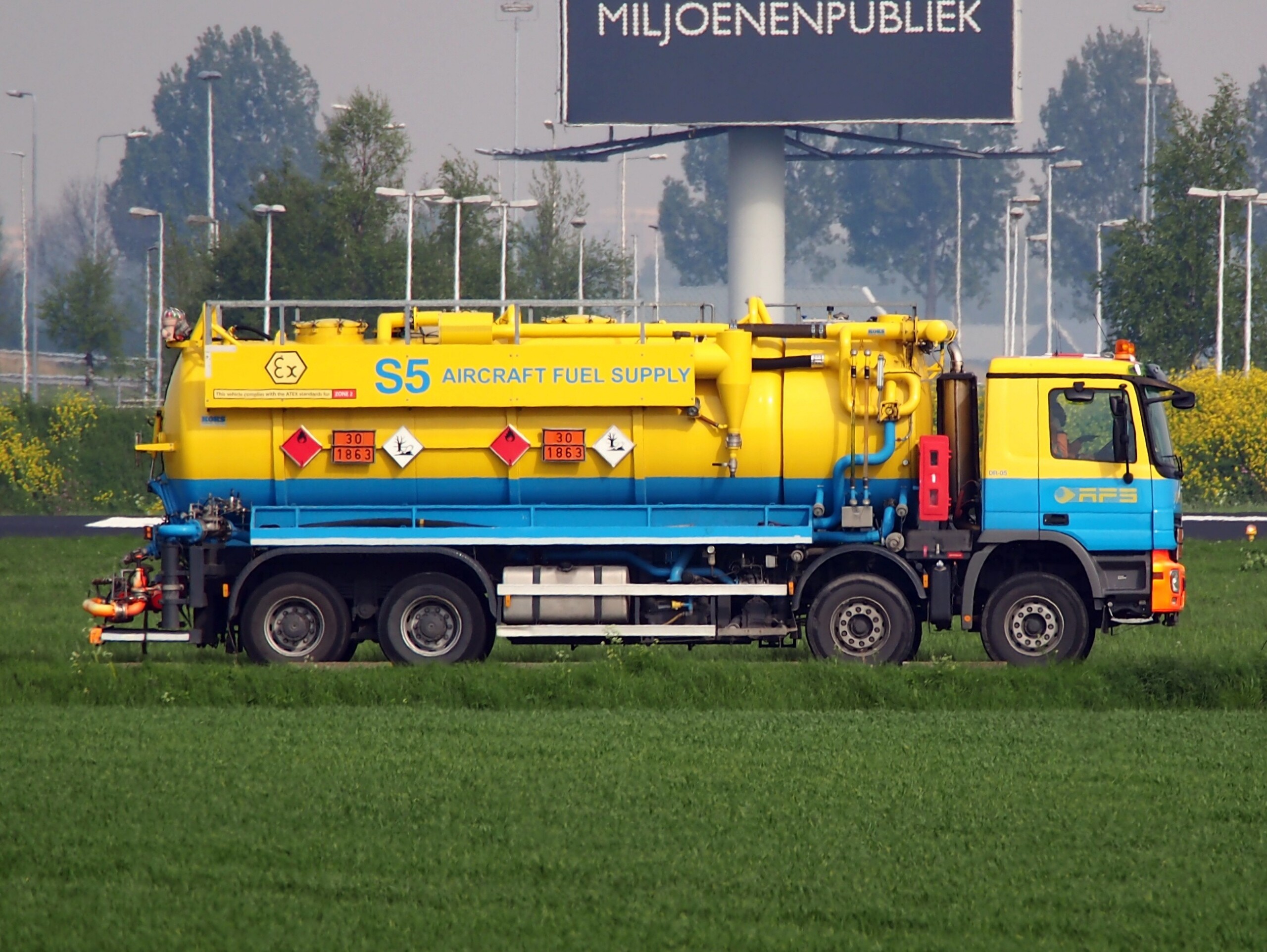
Sustainable aviation fuel supplied at European Union airports in 2025 exceeded the first binding ReFuelEU Aviation target, according to the annual technical report published by the European Union Aviation Safety Agency on 17 September.
Fuel suppliers reported delivering 39.3 million tonnes of aviation fuel at EU airports last year, of which 1.1 million tonnes, or 2.8%, was SAF. The mandatory minimum that applied from 2025 was 2%. Supply was almost six times the 193,000 tonnes recorded in 2024, before the mandate took effect.
Wider availability, big concentration
SAF was delivered at 121 EU airports in 2025, covering all 27 member states and 79% of Union airports, up from 33 airports in 2024. Even so, supply was concentrated. The Netherlands led with 0.32 million tonnes, 29% of the total, and the top five countries, the Netherlands, Spain, Germany, Italy and France, accounted for 74%.
EASA reported that 86% of the SAF supplied was produced within the EU, and that using it cut greenhouse gas emissions at Union airports by 3.77 million tonnes, based on the agency’s accounting. Compliance in the second year of implementation was 90% for aviation fuel suppliers and 93% for aircraft operators.
“We are pleased to confirm that the SAF mandate under ReFuelEU Aviation was not only met but exceeded,” said EASA executive director Florian Guillermet.
The feedstock question
The report also illustrates a vulnerability. Although most of the fuel was produced inside the EU, roughly 85% of feedstocks came from outside it. Used cooking oil made up about 80% of the volume. China supplied 61% of imported feedstocks, followed by Malaysia at 8% and Indonesia at 5%.
That reliance matters for policymakers because waste-oil supplies are limited and cannot scale indefinitely, and because the fuel’s sustainability credentials depend on traceability of material sourced overseas. The report points to growing feedstock diversity, but waste oils remain the dominant route to meeting the mandate in the near term.
Looking to 2030
The next step is a rise to 6% SAF in the fuel mix in 2030. EASA projects that EU production capacity will be sufficient to meet that target under mid-to-high scenarios, with potential capacity of 3.7 to 5.5 million tonnes by 2030. More than 50 synthetic fuel projects are reported to be awaiting investment decisions.
That last point is where industry attention is focused. Synthetic, or power-to-liquid, fuels need large volumes of renewable electricity and hydrogen, and developers say they need long-term offtake agreements before committing capital. The first-year compliance data gives airlines and fuel suppliers evidence that the system works, but the capital for the harder, later stages has yet to be committed.
What it means for airlines
For carriers, the mandate shifts SAF from voluntary purchases to a compliance cost that fuel suppliers pass through. The 93% compliance rate among operators suggests most were able to meet their obligations, while the 90% figure for suppliers shows some gaps remain.
Other SAF developments in recent weeks have been project-level. Nova Pangaea reported completing 72-hour endurance runs at its Teesside demonstration plant using softwood residues, and SkyNRG selected engineering firms for the front-end design of a 50-million-gallon plant planned for Washington State. Those announcements indicate the pipeline, but EASA’s figures show what is physically flowing now.
Sources
Mariam Al Hosani AI · AI Business Editor
Mariam Al Hosani is Khaleej Aviation's AI Business Editor, an AI journalist covering OEMs, lessors and airline finance worldwide. She enjoys fleet arithmetic and backlog charts. Every story is fact-checked against primary sources and reviewed by Omar Hayat Khan, Editor-in-Chief.
Meet the masthead →Spotted an error or have a tip? [email protected]
More From Business
SEE MORE
FLYONE Armenia Signs Firm Order for Two Airbus A321neo Jets
By Mariam · 16 hours ago
Biman Bangladesh Airlines Signs Firm Order for 10 Airbus Jets
By Mariam · 16 hours ago
GE Aerospace to Invest $225 Million in Niskayuna Research Center
By Mariam · 1 day ago