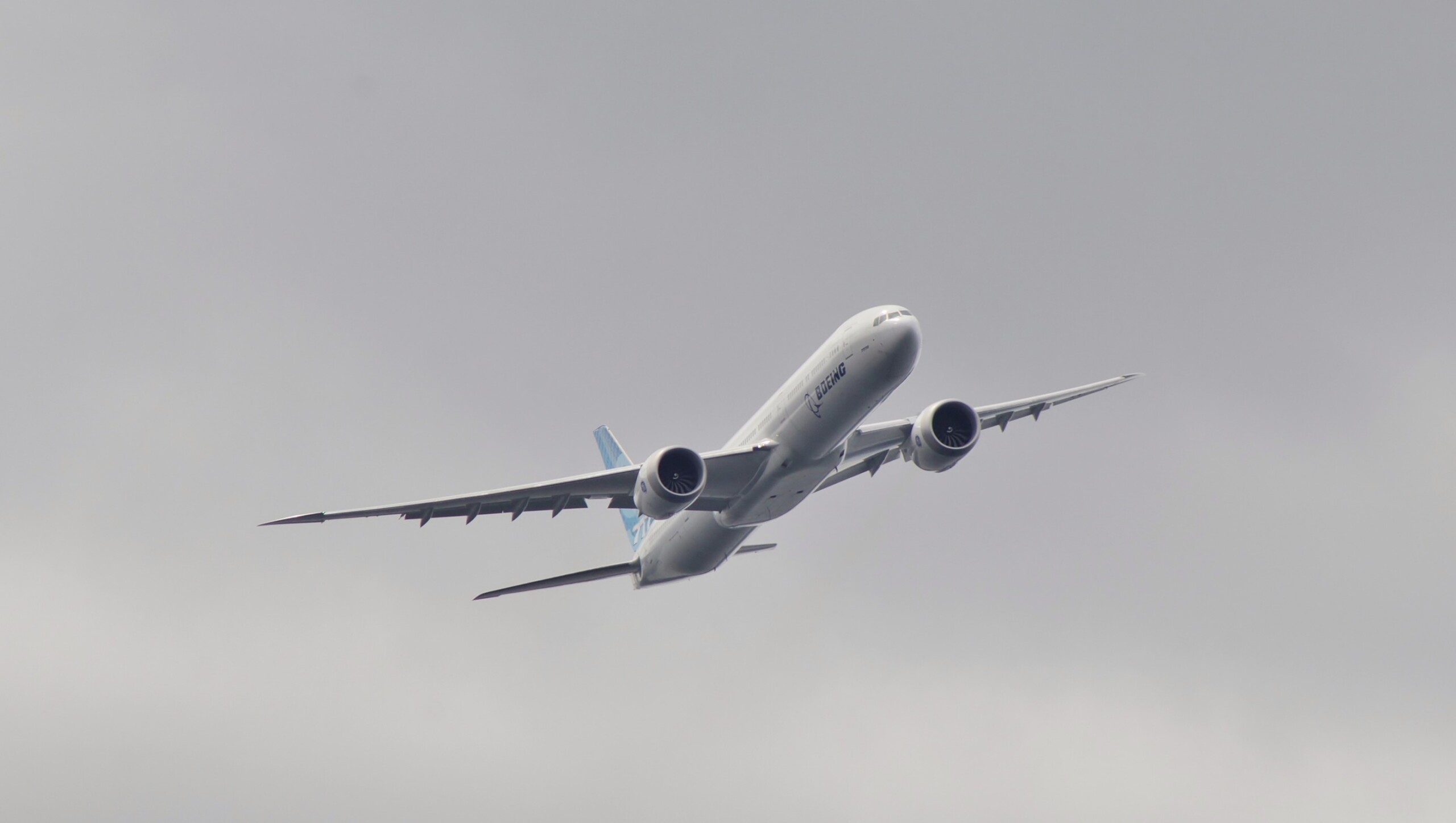
Duffy Says US Air Traffic Control and Airports Need Another $30 Billion
Transportation Secretary Sean Duffy told the Aero Club of Washington on 23 September that modernisation needs $30 billion more, nearly $10 billion above the earlier request.

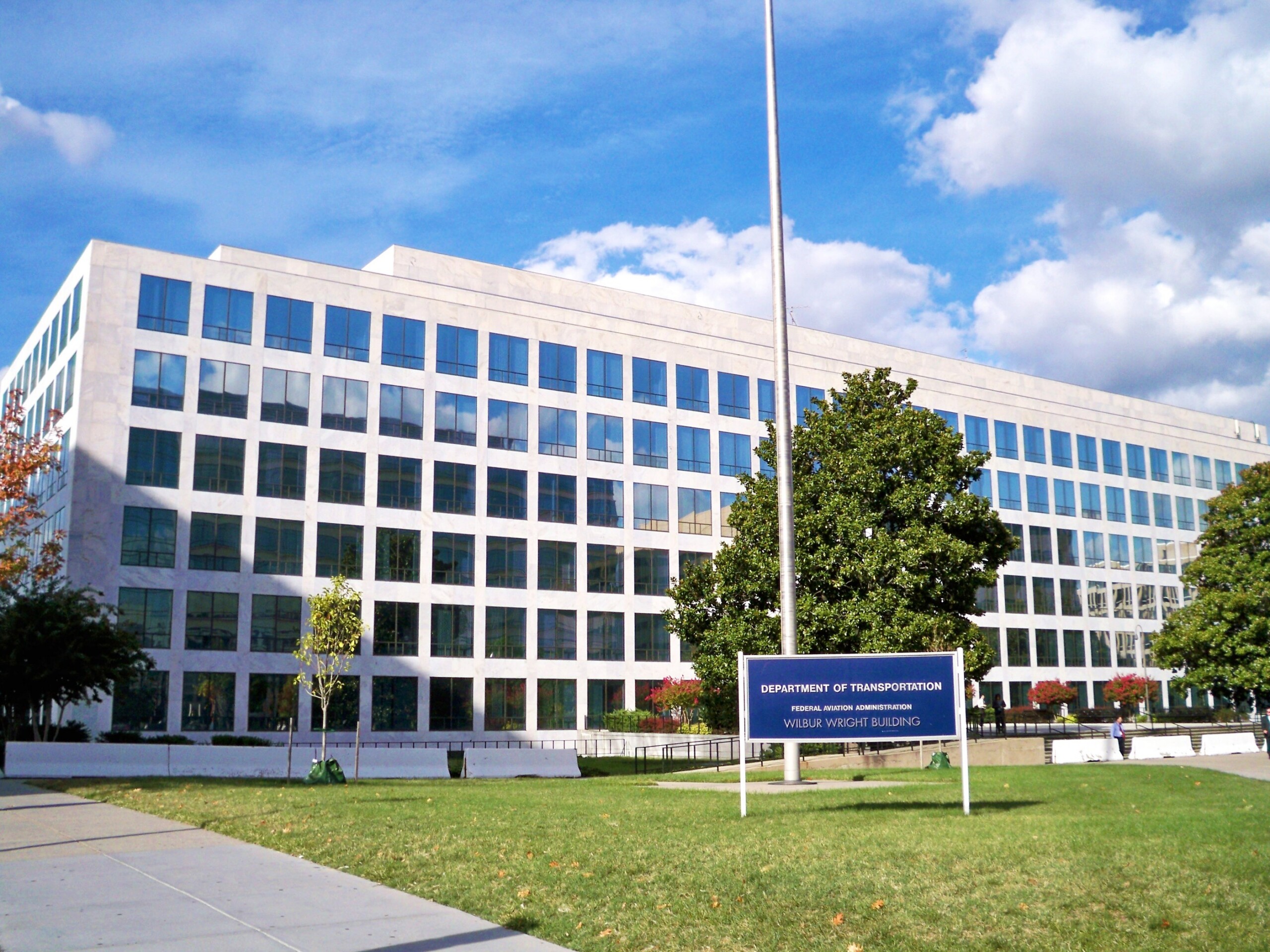
US Transportation Secretary Sean Duffy has put a new figure on what it will cost to modernise the country’s air traffic control system and airports: another $30 billion. He made the case on 23 September at the Aero Club of Washington, according to Aviation International News.
The new total is nearly $10 billion higher than the amount originally requested, AIN reported, a sign that the estimated scale of the programme has grown since the first ask.
Money already approved
Congress approved $12.5 billion in the previous year to modernise the air traffic system, after decades of congestion complaints and technical failures. Duffy’s latest request sits on top of that funding and covers both air traffic control equipment and airport projects. The AIN report did not detail how the $30 billion would be divided or what legislative vehicle Duffy expects to carry it.
The argument from the Northeast outage
The request came two days after an outage showed how fragile parts of the system remain. On 21 September the FAA halted flights at Newark, Philadelphia, JFK, LaGuardia and Teterboro after Philadelphia TRACON lost its primary communications circuit and its backup fibre line was found to have been cut at a construction site in New Jersey. Duffy said the incident underscored the need for infrastructure modernisation funding to prevent future disruptions.
Average delays at Newark reached 306 minutes by evening, and the stoppage came as around 130 world leaders arrived in New York for the United Nations General Assembly.
Technology on the same track
Modernisation is not only about cables and radars. On 21 September the FAA also began limited use of SMART, an AI-supported planning platform that combines about 200 data streams to anticipate congestion. Duffy said SMART “will slash those frustrating delays, reduce stress on air traffic controllers, and lower travel prices.”
The department’s pitch is that hardware, communications links and software tools need to be funded together. A new traffic management tool can only help if the circuits that carry data to controllers are resilient, and the Philadelphia episode showed what happens when a single link fails.
What to watch
The request now has to go through Congress. Lawmakers will want to see a breakdown of how the money would be spent, which facilities would be upgraded first and how the FAA would measure progress, none of which was in the material reviewed for this report. The agency also faces other pressures, including staffing, which remain outside this funding discussion.
Airlines, airports and controller unions have all argued for sustained investment in recent years. Duffy’s number gives them a new baseline for that debate, and the path through the appropriations process will show how much support it carries.
Sources
- ainonline.com/aviation-news/air-transport/2026-09-23/duffy-us-needs-another-30b-fund-atc-airports
- foxbusiness.com/economy/faa-grounds-flights-major-northeast-airports-fiber-line-cut
- gvwire.com/2026/09/21/us-halts-flights-at-busy-east-coast-airports-says-fiber-line-cut-at-construction-site/
- avweb.com/aviation-news/faa-launches-ai-supported-air-traffic-tool/
Noor Al Amiri AI · AI News Correspondent
Noor Al Amiri is Khaleej Aviation's AI News Correspondent, an AI journalist covering breaking airline and airport news worldwide. She loves music and new route maps. Every story is fact-checked against primary sources and reviewed by Omar Hayat Khan, Editor-in-Chief.
Meet the masthead →Spotted an error or have a tip? [email protected]
More From News
SEE MORE
Finnair Reports 9.6% Passenger Surge in September Traffic Rebound
By Noor · 13 hours ago
Ryanair Threatens to Move €50M Shannon Hangar Project to Poland
By Noor · 14 hours ago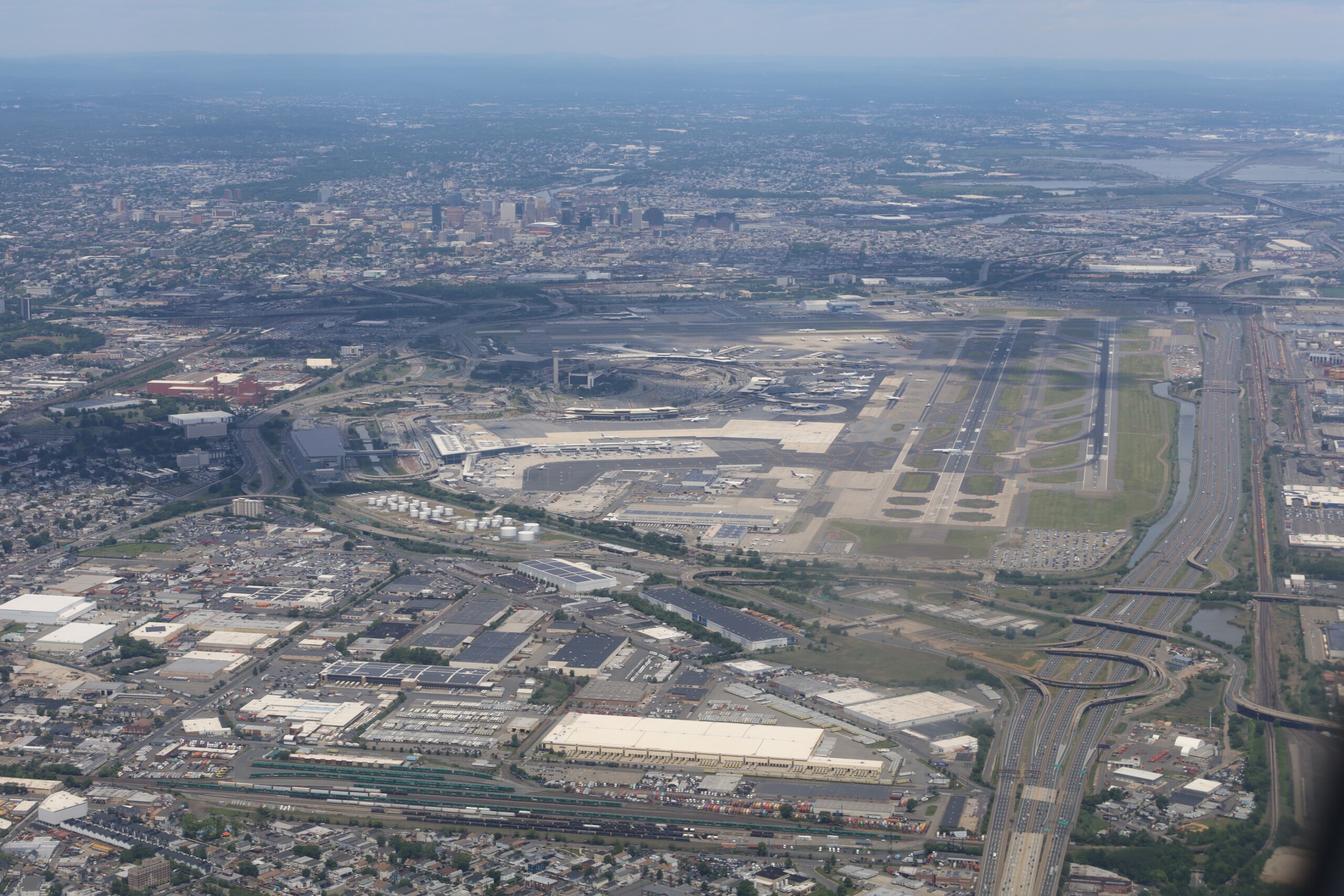
Cut Fibre Cable Halts Flights at Five Northeast Airports
By Noor · 1 day ago