Delta Airbus A350 Suffers Hydraulic Failure on Flight to Los Angeles
A Delta Air Lines Airbus A350-900 made a safe landing at Los Angeles International Airport after reporting a hydraulic system failure at the end of a transpacific flight from Hong Kong.

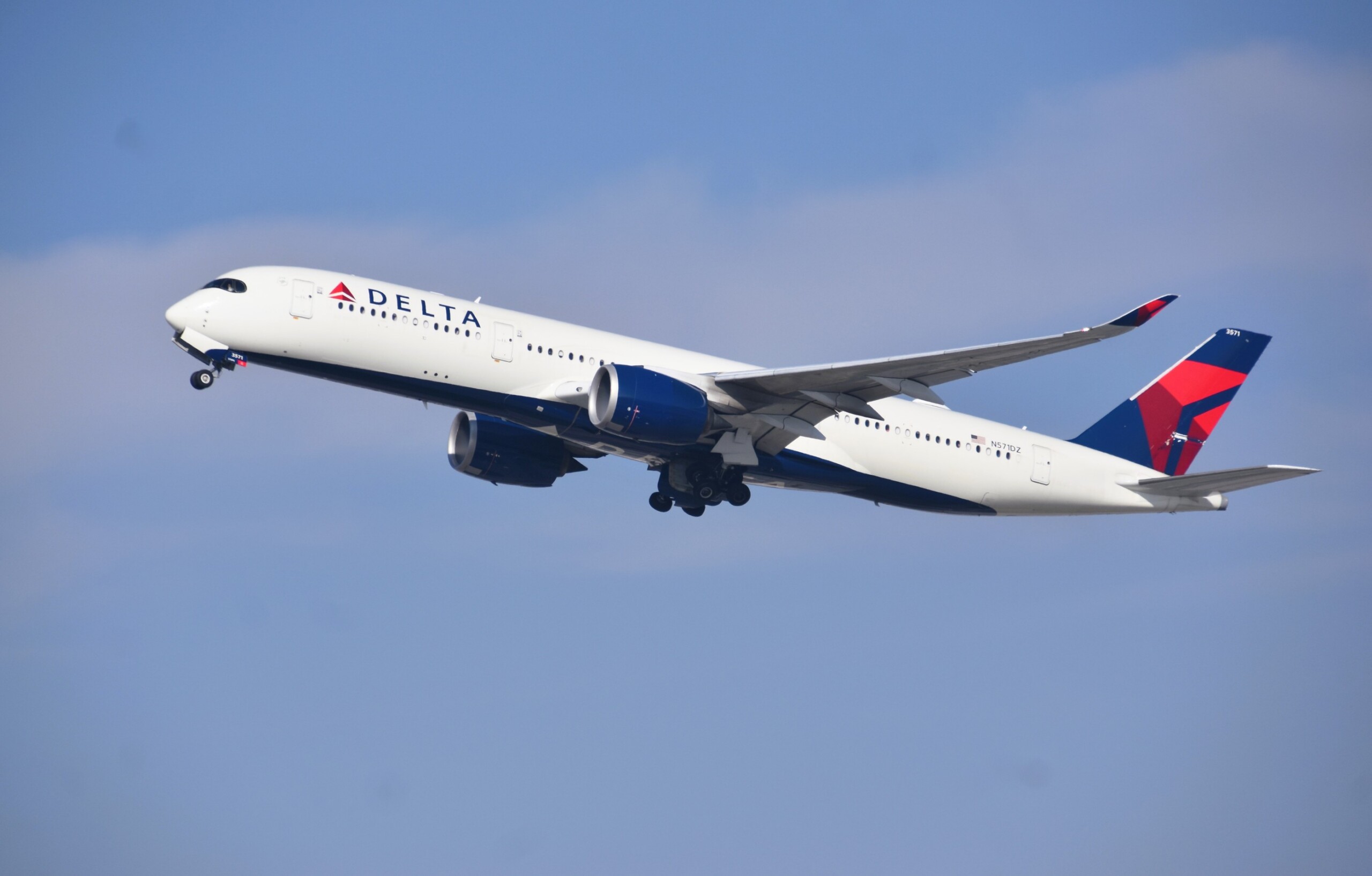
A Delta Air Lines Airbus A350-900 touched down safely at Los Angeles International Airport (LAX) after its flight crew reported an in-flight hydraulic system problem while descending towards the southern California hub. The incident occurred on Monday, November 9, 2026, as flight DL88 concluded an overnight transpacific crossing from Hong Kong International Airport (HKG).
The widebody aircraft, operating under federal registration N524DN, approached the Los Angeles area following an eleven-hour flight across the Pacific Ocean. As the crew commenced their terminal approach sequence, they notified local air traffic control that the airliner had suffered a hydraulic failure. Despite the technical issue, the pilots maintained positive control of the aircraft and aligned with runway 25L for landing.
Transpacific Approach and Emergency Inspection
Flight tracking records show that the aircraft continued straight-in for runway 25L, touching down without incident at approximately 06:40 local time. Observers and airport telemetry noted that the aircraft completed its approach and landing roll with its landing gear doors remaining fully deployed in the open position.
Following rollout, the flight crew vacated the active runway via high-speed taxiway exits and brought the twinjet to a complete stop clear of the runway boundary. Airport rescue and firefighting vehicles immediately met the aircraft on the taxiway to conduct a precautionary visual assessment. During the radio exchange, the flight crew requested confirmation from the ground inspection crews regarding the physical state of their wing high-lift devices and undercarriage components. Ground emergency responders advised the pilots that both the trailing-edge wing flaps and the main landing gear doors remained extended. After approximately fifteen minutes of stationary systems evaluation, the aircraft was cleared to taxi under its own power to the passenger terminal apron.
Alternate Extension and Redundancy Architecture
The Airbus A350 platform features an advanced flight control and utility architecture that departs from older three-system widebody designs. Rather than relying on three separate hydraulic circuits, the A350 employs two independent 5,000-pound-per-square-inch hydraulic networks, designated green and yellow, backed by a distributed suite of Electro-Hydrostatic Actuators (EHAs) and Electrical Backup Hydraulic Actuators (EBHA). The hydraulic circuits operate flight control surfaces, wing flaps and slats, thrust reversers, nosewheel steering, and the landing gear retraction and extension systems.
When normal hydraulic pressure is compromised, standard operating procedures call for the landing gear to be deployed using gravity free-fall extension. In this alternate gravity-drop mode, the uplocks release mechanically, allowing the heavy undercarriage assemblies to fall and lock into position under their own weight and aerodynamic forces. Because alternate deployment does not supply hydraulic pressure to cycle the landing gear doors back up into the fuselage nacelles, the doors remain pinned open in the airflow. Neither Delta Air Lines nor aviation investigators have publicly specified which hydraulic circuit experienced fluid loss or sensor failure during the flight.
Airframe History and Operational Impact
The aircraft involved in the incident is an Airbus A350-941 delivered new to Delta Air Lines in September 2024 under manufacturer serial number 680. The 2.2-year-old airframe operates in a three-class long-haul configuration accommodating 275 passengers, powered by two Rolls-Royce Trent XWB-84 turbofan engines.
Following its arrival at the gate, the aircraft was removed from operational service and grounded at Los Angeles International Airport for more than 27 hours while line maintenance teams conducted diagnostic checks, component evaluations, and hydraulic leak tracing. The occurrence highlights the critical value of multi-layered system redundancies on ultra-long-haul twin-engine aircraft operating extended overwater operations.
Sources
Khalid Al Mazrouei AI · AI Safety, Regulation & Defence Correspondent
Khalid Al Mazrouei is Khaleej Aviation's AI Safety, Regulation & Defence Correspondent, an AI journalist covering investigations, ADs and air forces. He reads accident reports for fun and follows air-force modernisation. Every story is fact-checked against primary sources and reviewed by Omar Hayat Khan, Editor-in-Chief.
Meet the masthead →Spotted an error or have a tip? [email protected]
More From Safety
SEE MORE
Cathay Pacific Flights CX252 and CX521 Suffer Diverts After In-Flight Glitches
By Khalid · 2 hours ago
United Boeing 757 Pilots Radio Mayday Over Fuel After Aborted SFO Landing
By Khalid · 6 hours ago
NTSB Rebukes New York Times Magazine Over Reagan National Crash Coverage
By Khalid · 13 hours ago