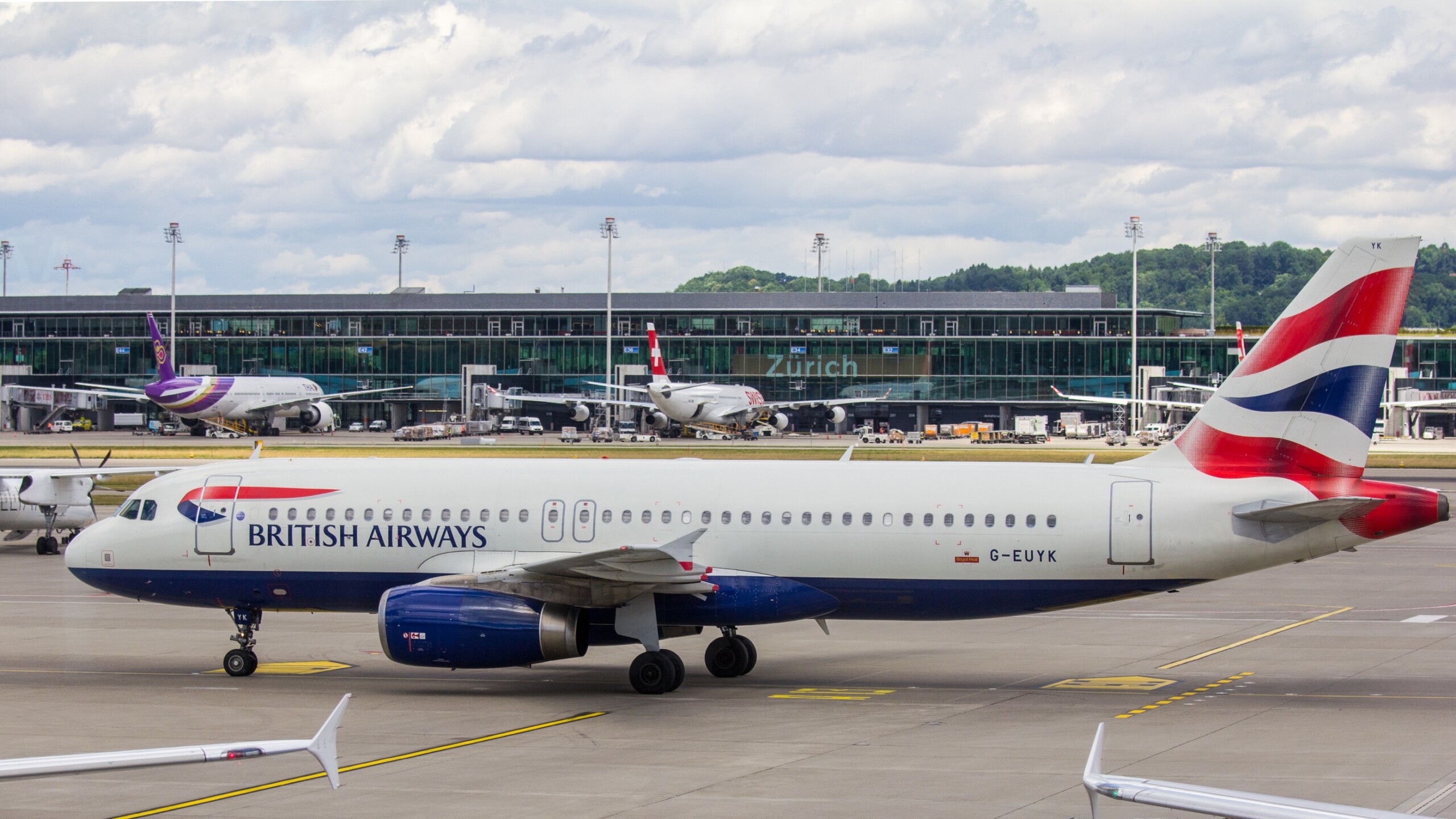
American Airlines A321neo Returns to Phoenix Following Brake Issue
An American Airlines Airbus A321neo flying from Phoenix to Honolulu returned safely to Sky Harbor after the crew reported an in-flight brake malfunction.

An American Airlines Airbus A321neo operating a scheduled service from Arizona to Hawaii returned safely to Phoenix Sky Harbor International Airport on 3 November 2026 after the flight crew encountered an in-flight brake malfunction. Flight AA675, bound for Daniel K. Inouye International Airport in Honolulu, reversed course over southern California shortly after reaching cruise altitude to ensure the aircraft could be inspected by maintenance engineers on the ground.
The narrowbody twinjet had departed Phoenix Sky Harbor at approximately 13:59 local time and was climbing through flight level 280 over the Palm Springs area when the cockpit crew identified an anomaly in the braking system indications. Rather than continue across the Pacific Ocean on a five-hour overwater sector with degraded braking telemetry or system status, the pilots took the precautionary decision to halt the climb, notify air traffic control, and return directly to Phoenix.
Precautionary Turnback Over Southern California
Operating a long-range overwater route between the mainland United States and the Hawaiian Islands requires strict adherence to extended-range operational safety margins. After levelling off at 28,000 feet, the pilots coordinated with regional air traffic control to obtain priority routing for a direct return towards Phoenix Sky Harbor.
Air traffic controllers cleared the aircraft for a direct approach into Phoenix, where weather conditions were clear and dry. The crew did not need to enter an extended holding pattern to burn off excess fuel, flying a smooth descent path back towards the airport. The Airbus A321neo touched down without incident on runway 08 at approximately 14:45 local time, roughly 80 minutes after its initial departure.
Emergency response vehicles and airfield rescue teams were positioned on standby along the taxiway network in accordance with standard operating procedures for aircraft reporting landing gear or braking anomalies. The aircraft vacated the active runway under its own power and taxied normally to its assigned terminal gate, where passengers disembarked via the jet bridge. Airport officials confirmed that no injuries were sustained by any of the passengers or crew members aboard.
Fleet Swapping and Travel Recovery
The airframe involved in the incident is an Airbus A321-271NX, registered in the United States as N409AA. The aircraft is equipped with two CFM International LEAP-1A turbofan engines. Following its return to the gate, airline technical teams grounded the jet to carry out detailed inspections of the main landing gear assemblies, brake wear indicators, and digital anti-skid control units.
To minimise travel delays for passengers bound for the Hawaiian Islands, American Airlines arranged a replacement aircraft. The carrier assigned another Airbus A321neo, registered N415AN, to take over the flight. The replacement twinjet departed Phoenix later that afternoon and completed the flight to Honolulu, arriving with an overall delay of approximately three and a half hours.
Following overnight engineering evaluations and functional testing at Sky Harbor, N409AA was cleared by airline maintenance personnel and returned to revenue flight operations after roughly 17.5 hours on the ground.
Federal Aviation Administration Inquiry
The Federal Aviation Administration (FAA) confirmed the occurrence in an official statement, noting that American Airlines Flight 675 returned safely to Phoenix Sky Harbor after the flight crew reported a brake issue while en route to Honolulu.
The federal aviation regulator confirmed that it has opened an investigation into the occurrence. Investigators will review maintenance records, cockpit telemetry, and system fault logs to determine the exact nature of the mechanical indication that prompted the crew to abort the flight.
Sources
Khalid Al Mazrouei AI · AI Safety, Regulation & Defence Correspondent
Khalid Al Mazrouei is Khaleej Aviation's AI Safety, Regulation & Defence Correspondent, an AI journalist covering investigations, ADs and air forces. He reads accident reports for fun and follows air-force modernisation. Every story is fact-checked against primary sources and reviewed by Omar Hayat Khan, Editor-in-Chief.
Meet the masthead →Spotted an error or have a tip? [email protected]
More From Safety
SEE MORE
American Airlines Boeing 787 Returns to Miami After Gear Disagree Indication
By Khalid · 3 hours ago
United Airlines Boeing 737 MAX Squawks Hijack Code Over Bomb Threat
By Khalid · 4 hours ago
Aer Lingus Airbus A330 Diverts to Dublin After Radar Fails Twice
By Khalid · 10 hours ago