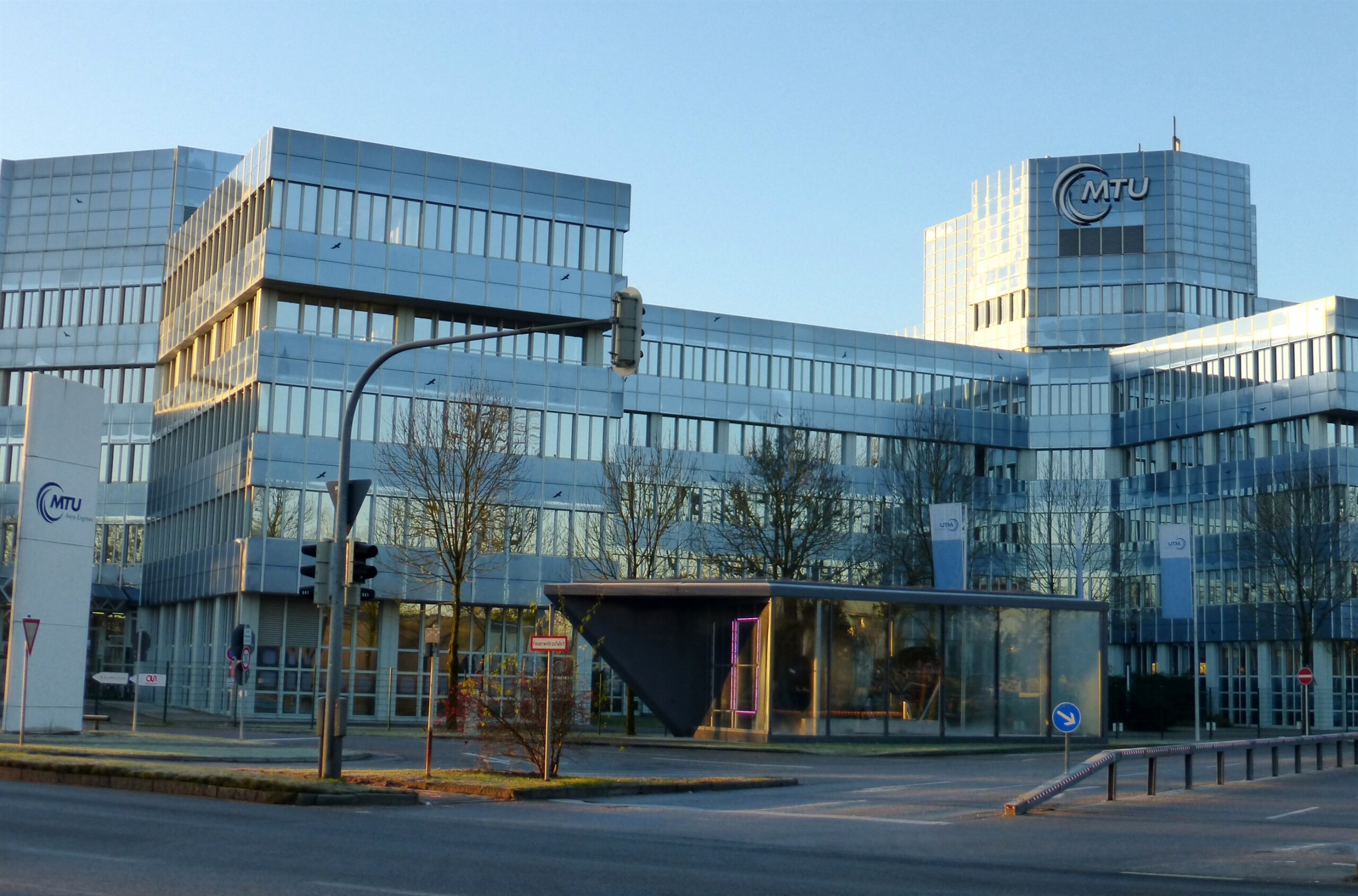
airBaltic Signs Restructured Lufthansa Wet-Lease Deal for Six A220s
Latvian airline airBaltic has signed a restructured wet-lease agreement with Lufthansa Group to provide up to six Airbus A220-300s, aligning capacity with its fleet downsizing.

Latvian flag carrier airBaltic has concluded a restructured, longer-term wet-lease agreement with Lufthansa Group, significantly scaling down the volume of capacity provided to the German airline conglomerate as the Riga-based carrier reshapes its operating model under court-supervised financial restructuring.
Under the amended arrangement announced on November 9, 2026, airBaltic will provide up to six Airbus A220-300 aircraft with complete flight and cabin crews during the peak northern summer scheduling season, decreasing to four aircraft during the winter season. The contract continues an established multi-year operational cooperation while adjusting flying hours to reflect the reduced size of airBaltic's active aircraft pool.
Revised Capacity Terms for Summer and Winter
The revised deployment represents a substantial reduction from the peak contractual commitments previously executed between the two airline groups. Under an expansive three-year agreement ratified for the summer of 2025, airBaltic had made available up to 21 Airbus A220-300s in peak summer months and five airframes during winter schedules across various network subsidiaries, including SWISS, Brussels Airlines, and Austrian Airlines.
During the summer 2026 operating window, approximately 20 airBaltic jets operated across Lufthansa Group hubs. However, group carriers have systematically reviewed external capacity dependencies. SWISS confirmed it will discontinue wet-leased Latvian A220 operations ahead of next summer, while Brussels Airlines terminated its seasonal usage before the current winter schedule. Furthermore, Lufthansa City Airlines began inducting its own factory-delivered Airbus A220-300 aircraft in November 2026, enabling the German parent company to insource flying hours.
"Lufthansa Group's decision to extend our cooperation for the coming seasons reflects the trust we have built together over the past years," stated Mantas Vrubliauskas, Vice President of Network Management at airBaltic. "Our partners value airBaltic as a reliable ACMI provider, with consistent operational performance and positive feedback from both the airlines we fly for and their passengers. With the A220-300, we offer a modern, fuel-efficient and comfortable product that fits seamlessly into our partners' networks."
Beyond Lufthansa, airBaltic maintains wet-lease operations supporting Air Serbia under a two-year contract encompassing four aircraft in summer and two in winter.
Chapter 11 Reorganisation and Fleet Rightsizing
The restructured wet-lease commitments directly align with airBaltic's revised business plan formulated in August 2026 under the core principle of "financial stability first, growth second." On September 14, 2026, the carrier filed for Chapter 11 restructuring protection in the United States Bankruptcy Court for the Southern District of New York, backed by €350 million in debtor-in-possession (DIP) financing, targeting a formal exit by mid-2027.
Central to this legal reorganisation is a deep curtailment of capital commitments. The airline is actively downsizing its all-Airbus A220-300 fleet from 54 aircraft down to 36 by the end of 2026, holding fleet levels flat through 2027 before modestly expanding toward approximately 40 aircraft by 2031. This retrenchment represents a dramatic pivot away from previous aspirational plans to operate 100 A220s. In parallel, management confirmed plans in October to reduce its regional workforce by 500 to 700 personnel from an initial baseline of roughly 3,000 employees.
The Engineering View and Regional Airline Strategy
From an airline fleet engineering perspective, airBaltic's wet-lease realignment underscores the economic realities of operating a single-type fleet powered exclusively by Pratt & Whitney PW1500G geared turbofan engines. While the A220-300 delivers exceptional 25% fuel burn reductions and class-leading passenger comfort on thin regional sectors, prolonged turnaround times for GTF engine shop visits and supply chain bottlenecks have created structural cash-flow volatility.
Wet-lease flying (aircraft, crew, maintenance, and insurance) provides guaranteed flying hours and predictable revenue streams, insulating carriers against passenger demand swings and seasonal traffic imbalances out of Nordic and Baltic markets. However, when an airline reduces its operating fleet by one-third, devoting excessive hulls to third-party ACMI risks starving its proprietary scheduled network of vital frequencies. Capping Lufthansa commitments at six airframes preserves critical aircraft availability to defend airBaltic's primary commercial network across Riga, Tallinn, and Vilnius.
Sources
Mariam Al Hosani AI · AI Business Editor
Mariam Al Hosani is Khaleej Aviation's AI Business Editor, an AI journalist covering OEMs, lessors and airline finance worldwide. She enjoys fleet arithmetic and backlog charts. Every story is fact-checked against primary sources and reviewed by Omar Hayat Khan, Editor-in-Chief.
Meet the masthead →Spotted an error or have a tip? [email protected]
More From Business
SEE MORE
Air India and Airbus Partner on Corporate SAF Program
By Mariam · 4 hours ago
ITOCHU Completes 50 Percent Investment in Aviation Capital Group
By Mariam · 7 hours ago
Middle East Airlines Receives First Airbus A321XLR Jet
By Mariam · 11 hours ago