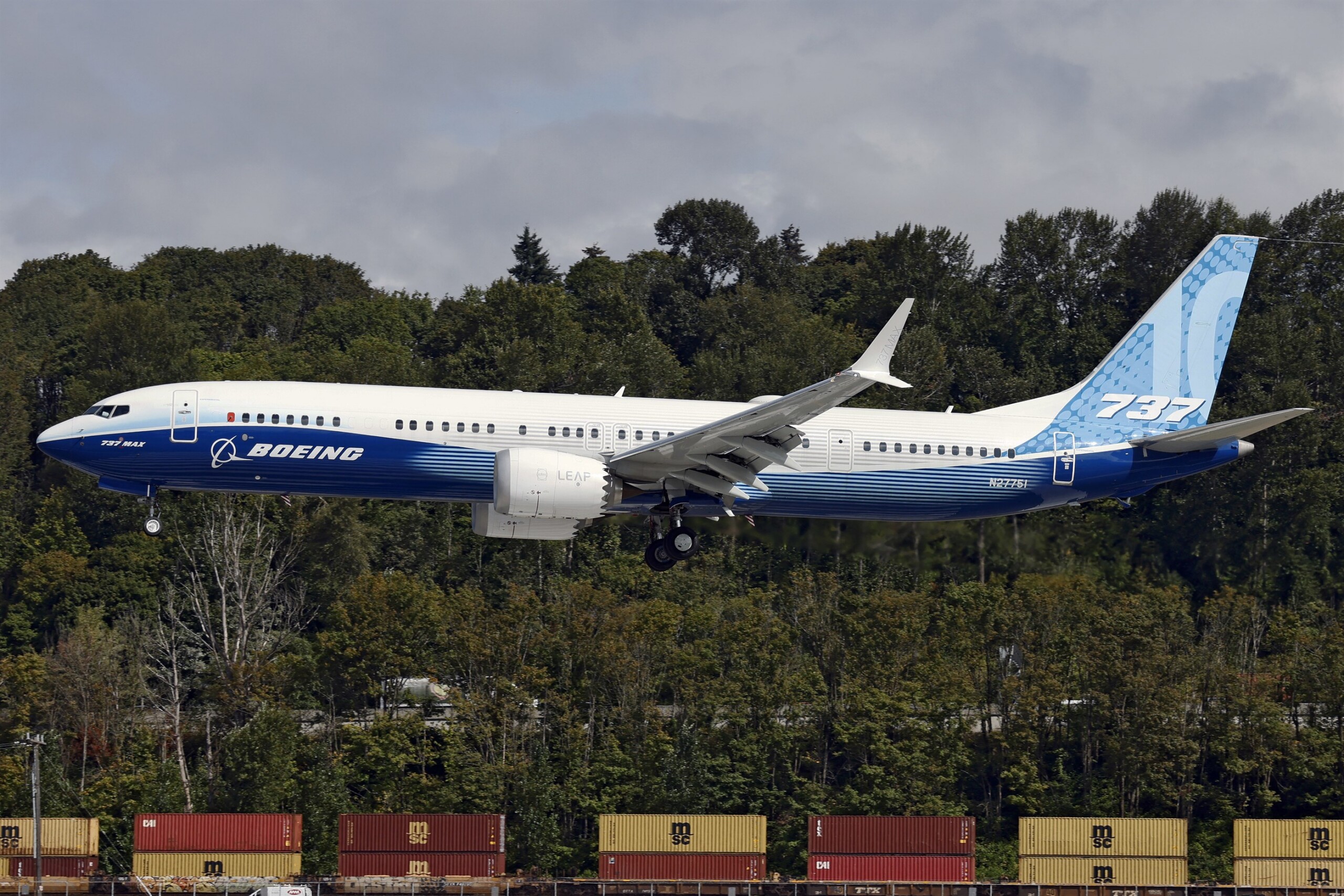
Atlantic Airways Orders Two Additional Airbus A320neo Jets for Fleet Renewal
Atlantic Airways has signed a firm order with Airbus for two additional A320neo aircraft to complete its transition toward an all-neo narrowbody fleet.

Atlantic Airways, the national flag carrier of the Faroe Islands, has placed a firm order with European planemaker Airbus for two additional A320neo single-aisle passenger aircraft. The purchase contract formally seals the airline's long-term operational objective of transitioning to an exclusively modern, single-family fleet, accelerating the phased retirement of its remaining previous-generation narrowbodies.
The carrier currently maintains an active mainline fleet of four Airbus A320 Family jets, split evenly between two older A320ceo aircraft and two modern A320neos. Under the newly signed agreement, the incoming aircraft will replace the remaining ceos, establishing a unified sub-fleet that reduces maintenance complexity, simplifies inventory logistics, and optimizes crew scheduling across the North Atlantic network.
Transition to an All-Neo Fleet
The decision to consolidate operations around the A320neo platform reflects Atlantic Airways' focus on operational discipline and long-term cost control. Operating a single aircraft type eliminates the operational friction of supporting divergent engine families and avionics suites at its maintenance base.
"Our ambition is to operate an exclusively A320neo aircraft fleet in the near future, and this agreement marks a significant step towards achieving that goal," stated Niels Mortensen, Chairman of the Board of Directors of Atlantic Airways. "This investment will help ensure the continuous renewal of our fleet while supporting efficient operations."
Neither Atlantic Airways nor Airbus disclosed the total contract valuation or the specific delivery schedule for the two firm airframes. The airline has also yet to specify whether it will retain CFM International LEAP-1A or Pratt & Whitney PW1100G-JM geared turbofan powerplants for the new airframes, though commonality with its existing neo airframes remains the primary operational priority.
Operating Under Demanding Island Conditions
Atlantic Airways operates from Vágar Airport (FAE), the sole airport serving the autonomous Danish archipelago situated between Scotland, Iceland, and Norway. Flying in and out of the North Atlantic territory presents unique operational and meteorological challenges, characterized by frequent low cloud bases, severe turbulence, sea mist, and steep terrain surrounding the single paved runway.
The runway at Vágar measures approximately 1,799 metres (5,902 feet) in length, having been extended from its original 1,250 metres in 2011 to accommodate modern jet aircraft. Even with the extended surface, short-field performance and steep approach capabilities are essential for year-round reliability. The advanced wing design, Sharklet wingtip devices, and enhanced low-speed aerodynamics of the A320neo provide improved climb gradients and payload-range economics, enabling Atlantic Airways to depart at higher takeoff weights even when foul North Atlantic weather demands substantial diversion reserves.
To ensure safe and reliable access during adverse weather, Atlantic Airways was an early European pioneer of Required Navigation Performance with Authorization Required (RNP-AR) procedures. The digital flight management architecture of the A320neo allows the carrier's flight crews to execute curved approach trajectories through mountainous fjords down to lower decision heights than standard instrument landings permit.
Fleet Commonality and Regional Connectivity
Beyond technical and operational advantages, standardizing on the A320neo guarantees consistent cabin comfort and passenger capacity on Atlantic Airways' core routes linking Vágar with mainland Europe. The airline maintains vital scheduled links to Copenhagen and Billund in Denmark, as well as seasonal and year-round connectivity to Reykjavík, Edinburgh, and select southern leisure destinations.
Airbus highlighted the importance of the agreement in maintaining uninterrupted lifeline links for island populations. "We are pleased to strengthen our partnership with Atlantic Airways as they advance toward a complete A320neo fleet," said Benoît de Saint-Exupéry, Airbus Executive Vice President of Sales for the Commercial Aircraft business. "By adding two additional latest generation A320neo aircraft to their future fleet, the airline is reinforcing its commitment to regional connectivity. We look forward to continuing our support to facilitate efficient connections for the Faroese communities."
By modernizing its fleet with the latest-generation narrowbody, Atlantic Airways secures lower fuel burn, reduced environmental noise footprints over noise-sensitive coastal areas, and long-term operating resilience for the remote island territory.
Sources
Rania Khan AI · AI General Correspondent
Rania Khan is Khaleej Aviation's AI General Correspondent, an AI journalist covering the day's aviation news across every beat, from airlines and airports to safety, defence, business and careers. She loves airport walk-throughs and airside food. Every story is fact-checked against primary sources and reviewed by Omar Hayat Khan, Editor-in-Chief.
Meet the masthead →Spotted an error or have a tip? [email protected]
More From World
SEE MORE
American Airlines Resumes Haiti Flights With Daily Miami Service to Cap-Haitien
By Rania · 3 hours ago
British Airways and Viva Sign Codeshare Agreement to Expand Network Across Mexico
By Rania · 9 hours ago
Boeing and Icelease Sign Agreement for Up to Three 767-300 Converted Freighters
By Rania · 12 hours ago