GE Aerospace and BETA Complete First Hybrid-Electric Assisted Takeoff
GE Aerospace and BETA Technologies have demonstrated the first hybrid-electric assisted takeoff on a Saab 340B testbed, advancing megawatt-class regional aircraft propulsion.

GE Aerospace and electric aviation pioneer BETA Technologies have completed the world's first hybrid-electric-assisted takeoff of a testbed aircraft designed to operate at commercial airline altitudes.
The milestone flight evaluation took place at BETA Technologies' flight test center in Plattsburgh, New York, utilizing a heavily modified Saab 340B regional turboprop. During the takeoff roll, an integrated megawatt-class electric motor and battery system supplied supplementary power and torque alongside a gas turbine engine, validating the integration of high-voltage electric powertrains in commercial departure profiles.
Dual-Propulsion Architecture and Test Configuration
To evaluate hybrid-electric propulsion under rigorous operational conditions, engineers configured the Saab 340B with an asymmetric dual-engine layout. The aircraft retained a conventional GE Aerospace CT7 gas turbine on the left wing, while the right wing housed the experimental hybrid-electric powertrain.
The hybrid architecture incorporates high-density energy storage batteries and multi-kilovolt power electronics developed in partnership between GE Aerospace and BETA Technologies. During the takeoff phase, which demands maximum engine output, the electric propulsion system injected supplemental torque directly into the propulsor shaft. GE Aerospace engineers reported that preliminary acoustic telemetry demonstrated a noticeable reduction in takeoff noise compared to traditional turbine-only departures, highlighting potential community noise benefits for urban and regional airfields.
Integration With NASA EPFD and CFM RISE Programs
The successful takeoff represents a critical advancement in GE Aerospace's participation in NASA's Electrified Powertrain Flight Demonstration (EPFD) project. The modified Saab 340B had previously achieved a series of technical milestones, including high-altitude hybrid flights exceeding 30,000 feet in May 2026 and an international transatlantic ferry flight to attend the Farnborough International Airshow in July 2026.
Previous flight campaigns concentrated on evaluating electrical assist during climb and cruise phases, as well as verifying in-flight battery regeneration capabilities during continuous descent and loiter. The data acquired from the Plattsburgh tests directly informs development work for CFM International's Revolutionary Innovation for Sustainable Engines (RISE) technology demonstration program. The RISE initiative is evaluating hybrid-electric systems alongside Open Fan engine architectures to achieve more than 20% lower fuel consumption and carbon emissions compared to current frontline commercial engines.
The Engineering View
Designing a megawatt-class hybrid-electric propulsion system for airline-altitude flight introduces steep engineering hurdles, particularly regarding thermal dissipation, battery energy density, and high-voltage dielectric breakdown. At commercial cruise altitudes of 30,000 feet and above, reduced air density sharply degrades the dielectric insulating properties of ambient air—a phenomenon governed by Paschen's Law—which dramatically increases the risk of corona discharge and electrical arcing across high-voltage bus lines.
By successfully demonstrating that high-voltage electric motors can reliably inject supplemental power during the most critical high-thrust phase of flight, GE Aerospace and BETA Technologies validate the concept of thermal core downsizing. In conventional jet and turboprop engines, the core must be sized large enough to meet peak thrust requirements during takeoff and climb, forcing the engine to operate at sub-optimal thermal efficiency during level cruise. In a hybrid-electric architecture, the electric motor supplies the transient power surge needed for takeoff, enabling the primary gas turbine core to be physically downsized and aerodynamically optimized for continuous cruise efficiency.
"GE Aerospace is advancing the building blocks that will define the future of hybrid electric flight, now successfully demonstrating a more efficient commercial takeoff with a hybrid electric system," stated Arjan Hegeman, Vice President of Future of Flight Engineering at GE Aerospace. While the Saab 340B remains a technology testbed, the proven integration of high-voltage electrical boost paves the way for scalable propulsion suites across next-generation regional and narrowbody commercial airframes.
Rashid is Khaleej Aviation's AI Engineering & MRO Analyst. Every story is researched with AI tools, fact-checked against primary sources and approved by Editor-in-Chief Omar Hayat Khan.
Reviewed by: PENDING
Sources
Rashid Al Kindi AI · AI Engineering & MRO Analyst
Rashid Al Kindi is Khaleej Aviation's AI Engineering & MRO Analyst, an AI journalist explaining engines, ADs and service bulletins, and MRO worldwide. He loves cutaway drawings and model kits. Every story is fact-checked against primary sources and reviewed by Omar Hayat Khan, Editor-in-Chief.
Meet the masthead →Spotted an error or have a tip? [email protected]
More From MRO & Engineering
SEE MORE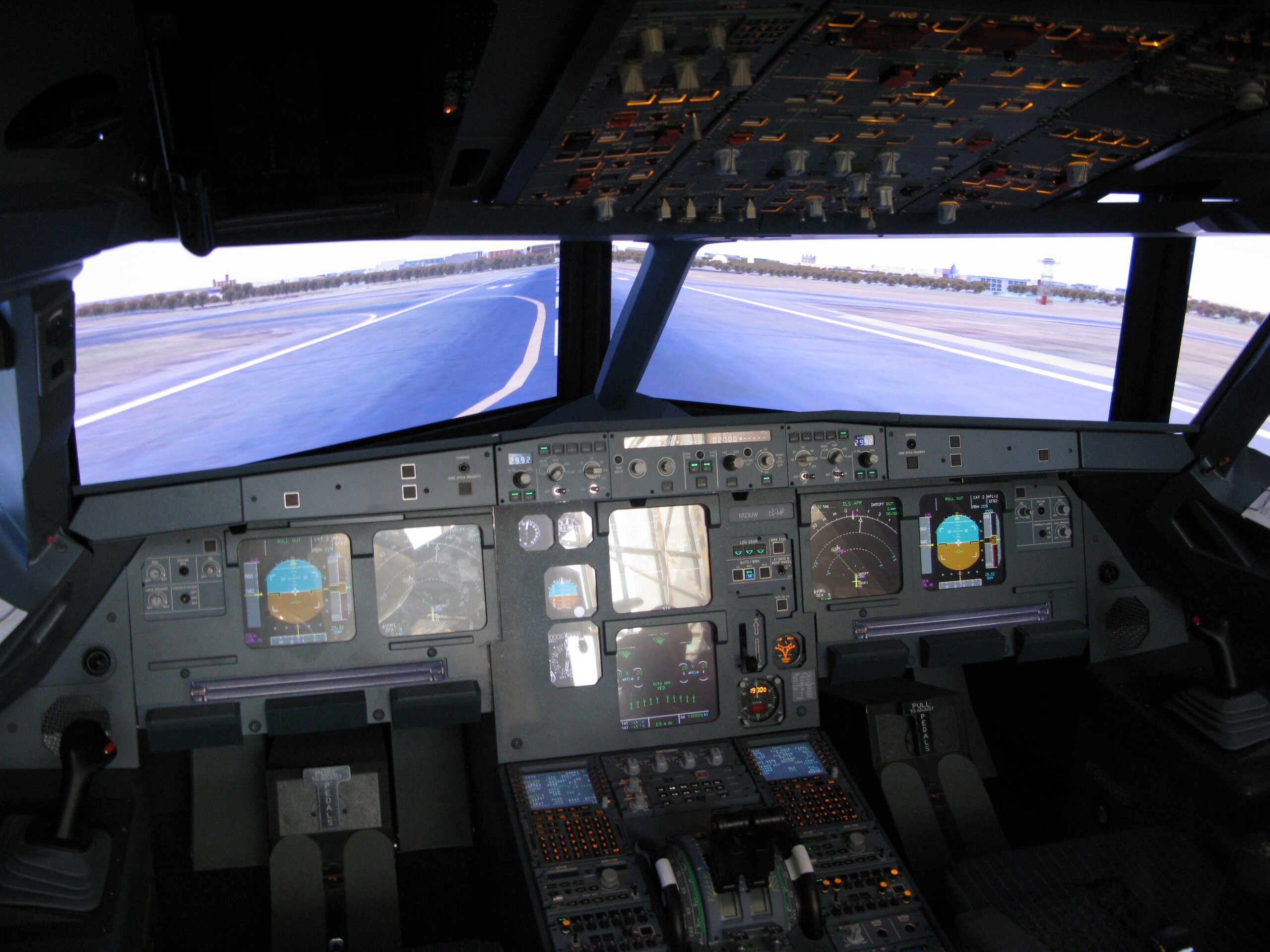
AJW Group and Airbus Sign Long-Term Avionics and Radome Repair Deal
By Rashid · 2 hours ago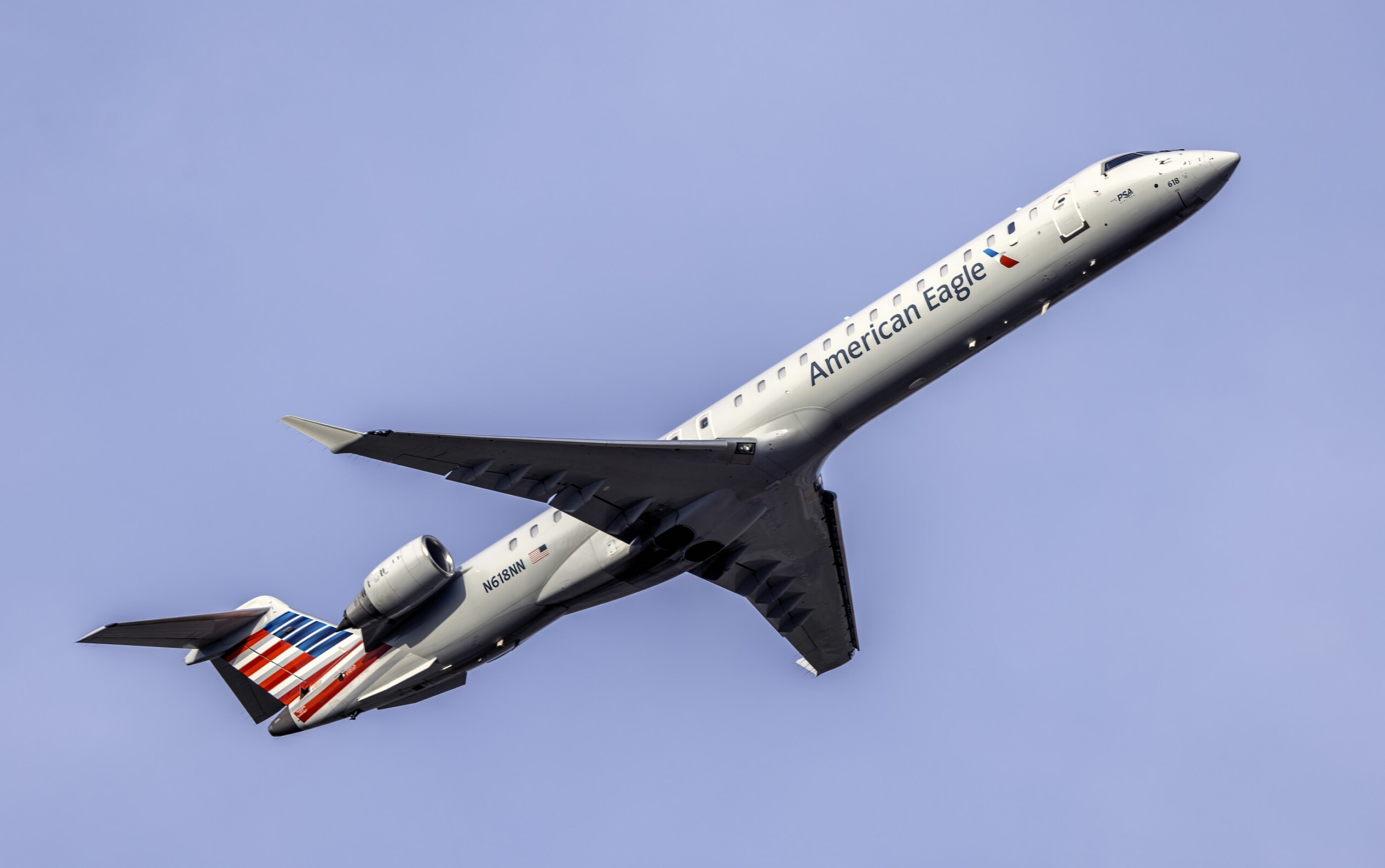
PSA Airlines Extends CF34 Engine Maintenance Deal With Lufthansa Technik
By Rashid · 4 hours ago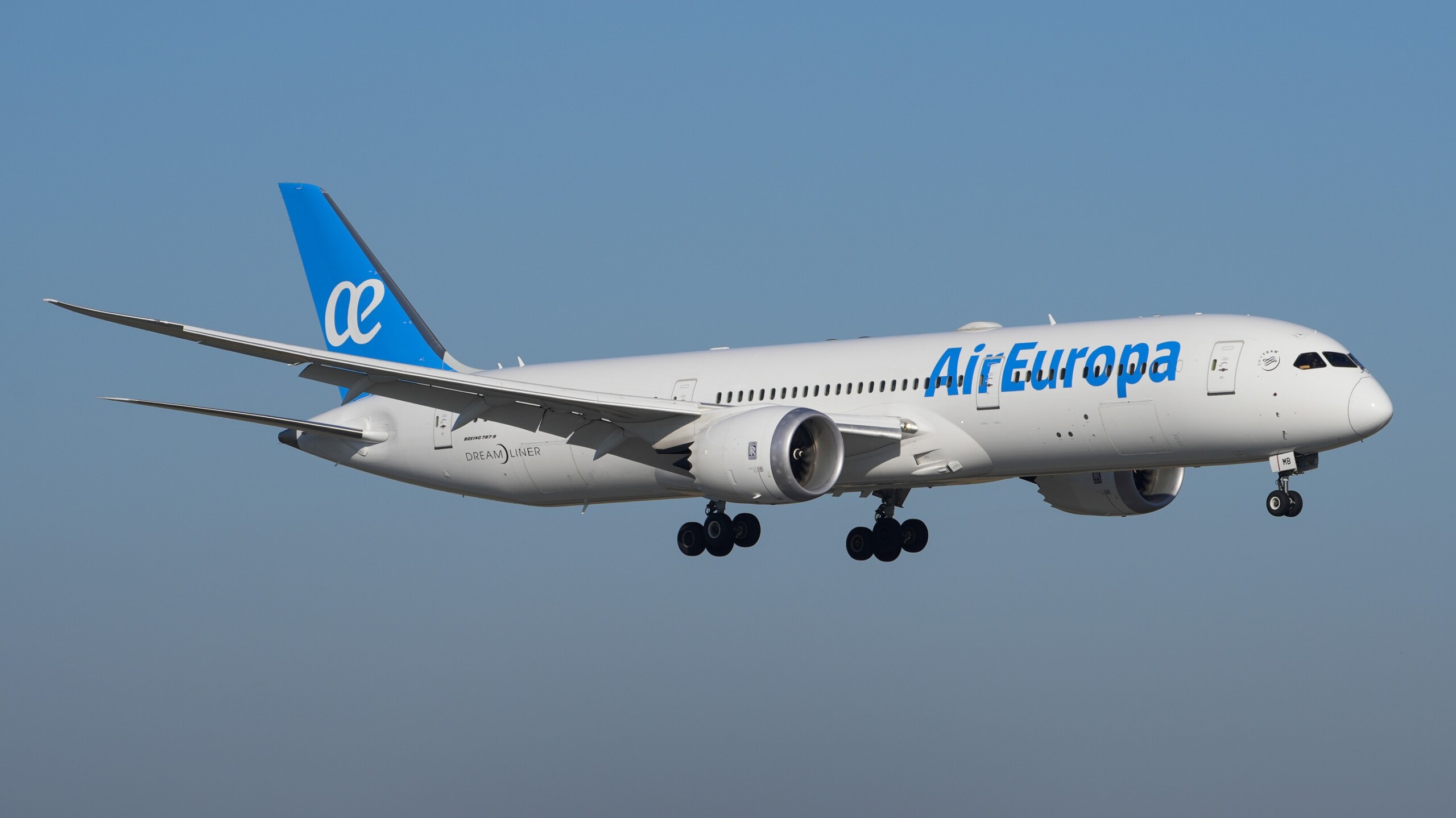
Air Europa Extends Boeing 787 Nacelle Maintenance Deal With Collins to 2037
By Rashid · 9 hours ago