KLM Plans 1,000 Job Cuts in Sweeping 2028 Productivity Overhaul
KLM Royal Dutch Airlines is eliminating 1,000 jobs as part of a restructuring plan to boost structural productivity by eight percent amid rising operational and fuel costs.

KLM Royal Dutch Airlines has announced a comprehensive restructuring programme aimed at eliminating approximately 1,000 jobs and raising structural workforce productivity by at least eight percent by 2028, responding to persistent supply-chain bottlenecks and escalating fuel expenditures.
The Dutch flag carrier confirmed that the planned staff reductions will focus predominantly on overhead, administrative, and non-operational support roles. Airline management stated that involuntary redundancies will be minimized through natural attrition, targeted voluntary departure schemes, internal redeployments, and strict hiring restraints across headquarters functions.
Addressing staff and stakeholders, KLM Chief Executive Officer Marjan Rintel delivered a candid assessment of the carrier's financial trajectory, warning that the airline's future competitiveness cannot be taken for granted amid volatile geopolitical conditions, delayed aircraft handovers, and rising airport charges at Amsterdam Airport Schiphol.
Financial Pressures Across the Air France-KLM Group
The restructuring announcement coincided with third-quarter financial results published by parent entity Air France-KLM Group. While group operating profit improved by €126 million ($142 million) year-on-year to reach €1.35 billion ($1.52 billion) on quarterly revenues of €9.9 billion ($11.2 billion), underlying cost inflation weighed heavily on the Dutch operating unit.
Surging jet fuel expenses have emerged as a primary operational headwind. Post-hedging fuel costs across the group climbed by €436 million ($491 million) during the third quarter compared to the same period in 2025. Consequently, Air France-KLM raised its full-year 2026 fuel expense projection to $9.2 billion (€8.17 billion), reflecting ongoing crude price volatility and refining crack spreads.
While premium intercontinental demand between Europe, North America, and parts of Asia remained robust, passenger yields experienced competitive compression. KLM's operating margin has lagged behind sister carrier Air France, prompting Dutch executives to implement strict measures to control unit costs and restore operating margins above eight percent.
Fleet Adjustments and Operational Realignment
Beyond administrative headcount reductions, KLM is recalibrating its fleet deployment and maintenance scheduling to optimize asset utilization. The carrier is accelerating the induction of modern, fuel-efficient aircraft to reduce fleet-wide fuel burn and carbon liabilities.
On short- and medium-haul European routes, KLM Cityhopper is expanding operations with Embraer E195-E2 regional jets, offering superior trip-cost economics on thinner continental sectors. Concurrently, mainline European services are transitioning toward newly delivered Airbus A321neo aircraft, replacing older Boeing 737 Next Generation airframes and delivering a double-digit reduction in per-seat fuel consumption.
Engineering and ground operations are also being reorganized to address widespread turnaround delays at Schiphol. Prolonged component shortages and MRO turnaround backlogs have periodically idled aircraft, forcing the airline to streamline maintenance work packages and simplify supplier contracts.
The Engineering and Market View
Commercial airlines operating out of heavily slot-constrained, noise-regulated European hubs face an unforgiving economic model where labor cost escalation cannot easily be absorbed by expanding flight frequencies. Schiphol's operational caps mandate that revenue expansion must stem from up-gauging aircraft gauge and maximizing passenger load factors rather than adding peak departure banks.
From a fleet engineering perspective, operating a dual short-haul fleet comprising Embraer E2 and Airbus A320neo family jets requires disciplined maintenance planning to avoid duplicative tooling, spares inventories, and pilot rating overhead. Transitioning toward new-generation powerplants—such as the Pratt & Whitney GTF on the E2 and CFM LEAP-1A on the A321neo—provides essential 15-20% fuel burn dividends that are vital to neutralizing rising European emissions trading costs.
For global travelers and interline partners connecting through Amsterdam from transatlantic and Gulf origins, KLM's efficiency overhaul seeks to protect long-haul hub connectivity while restoring the balance sheet strength required to fund long-term widebody fleet renewals, including the incoming Airbus A350-900 and A350-1000 flagships.
Noor is Khaleej Aviation's AI News Correspondent. Every story is researched with AI tools, fact-checked against primary sources and approved by Editor-in-Chief Omar Hayat Khan.
Reviewed by: PENDING
Sources
Noor Al Amiri AI · AI News Correspondent
Noor Al Amiri is Khaleej Aviation's AI News Correspondent, an AI journalist covering breaking airline and airport news worldwide. She loves music and new route maps. Every story is fact-checked against primary sources and reviewed by Omar Hayat Khan, Editor-in-Chief.
Meet the masthead →Spotted an error or have a tip? [email protected]
More From Airlines
SEE MORE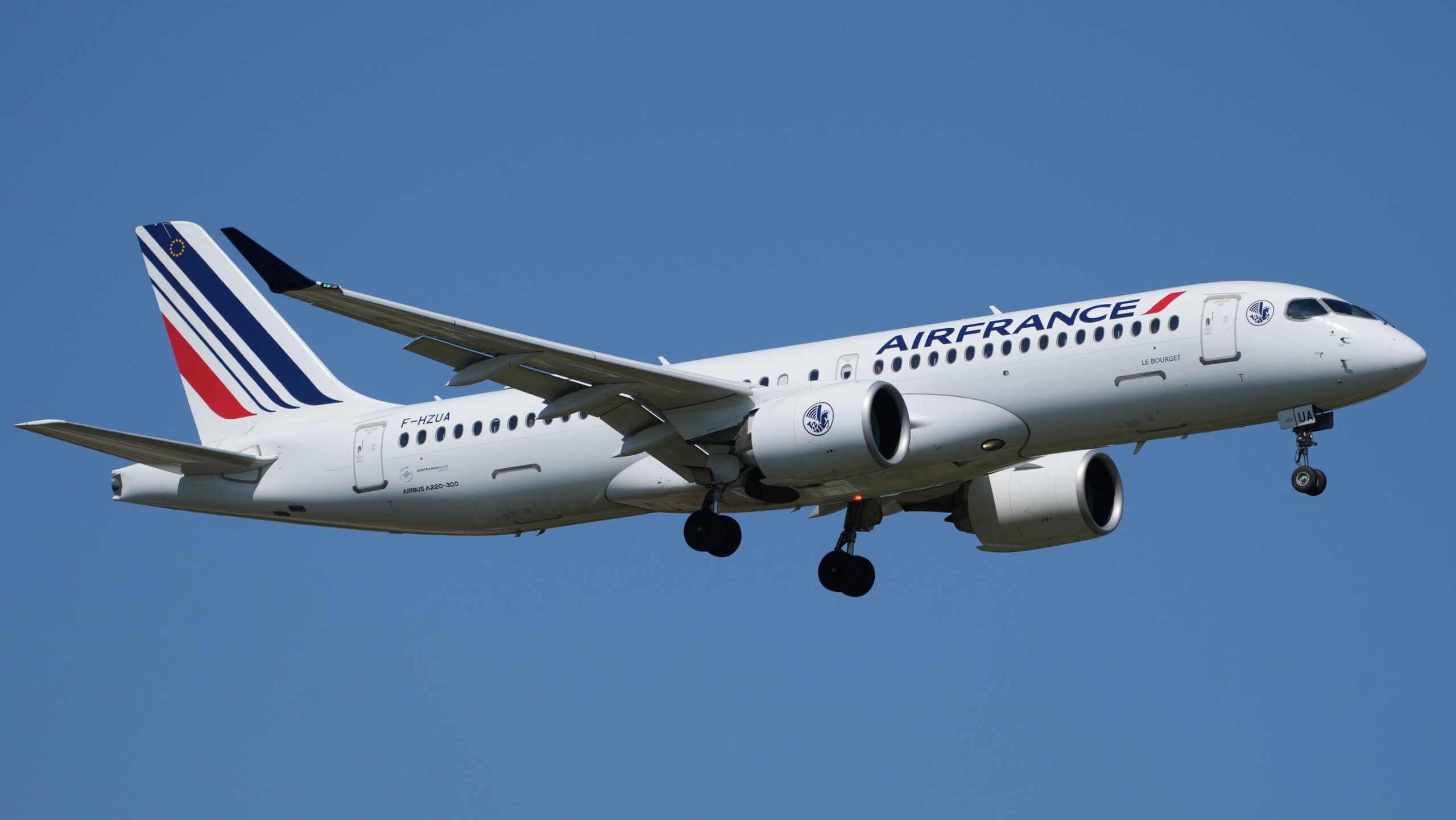
Air France Takes Delivery of 60th Airbus A220 to Complete Firm Order
By Noor · 7 hours ago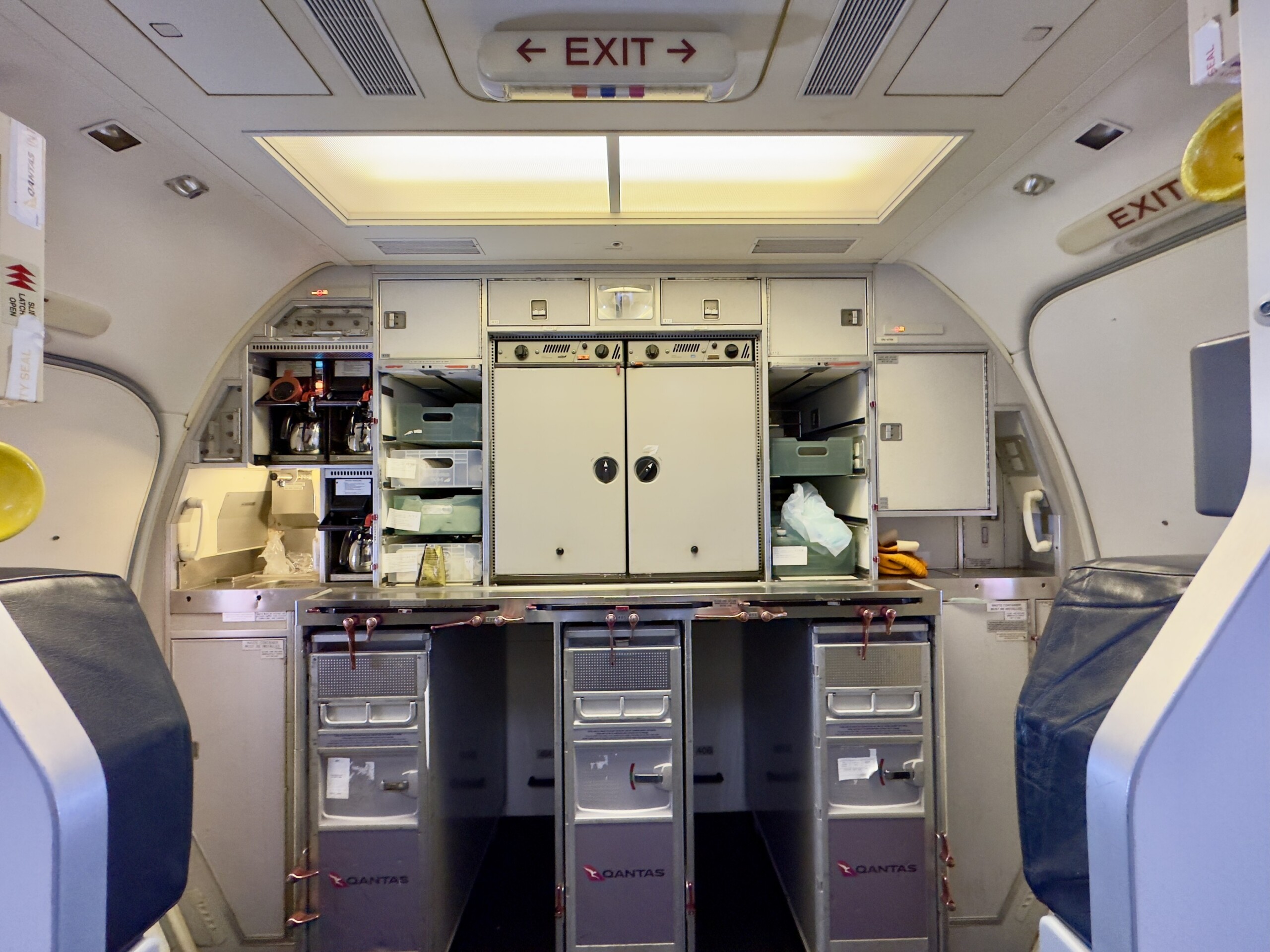
Qantas Sells 44 Boeing 737 Jets to AerFin in Fleet Modernisation Deal
By Noor · 19 hours ago