Avolon’s 110-Airbus Order Is a Bet on Delivery Slots, Not Just Aircraft
Avolon has firmly ordered 35 A330-900s and 75 A320neo Family jets, becoming the largest lessor customer for the A330-900. With Airbus sold out for years, the real asset is the place in the queue.

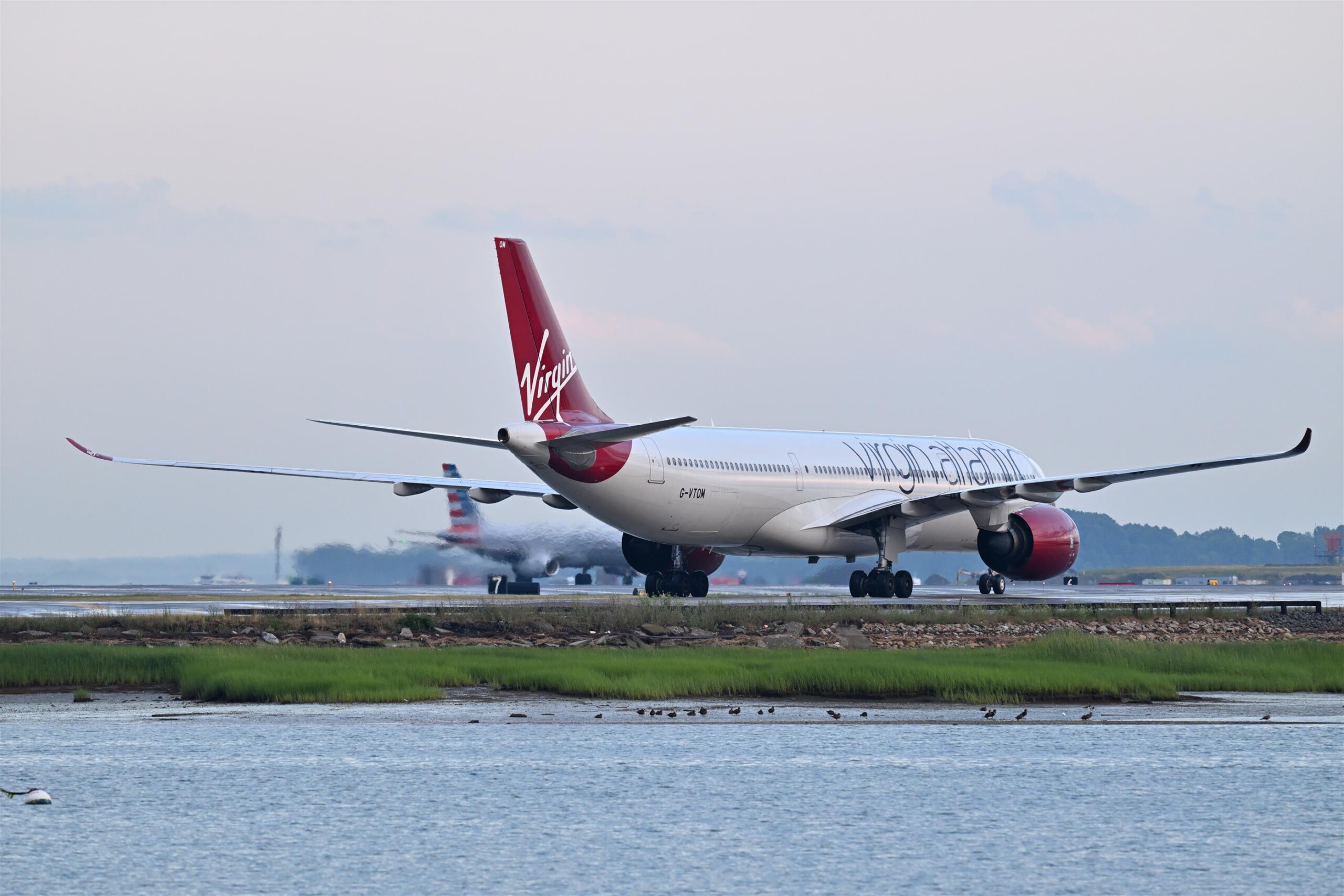
Avolon has placed a firm order with Airbus for 110 aircraft: 35 A330-900s and 75 A320neo Family jets. The lessor did not disclose delivery dates, saying only that the deal extends its pipeline well into the next decade. The order takes Avolon’s total A330-900 commitments to 114 aircraft, which Airbus says makes it the largest lessor customer for the widebody. Over the life of the relationship, Avolon has ordered around 650 A320 Family aircraft.
The new deal sits on top of an existing backlog. Before this week’s announcement Avolon still had 320 Airbus aircraft to receive, including an order for 75 A321neos and 15 A330-900s announced in 2025 with deliveries running to 2033. Airbus data through September lists 449 orders from the company and 129 deliveries.
Buying time, not just aircraft
The context explains the urgency. Airbus ended September with 9,310 aircraft in its backlog, and production slots for some models now stretch into the next decade. Lessors hold 1,515 of those aircraft, about 16% of the total. In a market where an airline that orders today may wait years for its jets, the lessor that already owns the delivery slots holds the bargaining power. Avolon chief executive Andy Cronin said the company continues to see strong demand for new aircraft, driven by airline fleet growth and replacement needs.
The mix is telling. The A320neo Family remains the industry’s workhorse and the easiest asset to place with almost any airline. The A330-900 is a more deliberate bet: a mid-size widebody that suits carriers that need long-haul capacity but cannot justify a larger twin, and one that lessors have increasingly come to own.
Our analysis
This is less an aircraft order than a purchase of future market position. With waiting lists measured in years, a lessor’s delivery slots are worth almost as much as the aircraft themselves, and Avolon is locking them in now while competitors hesitate. For airlines, the message is uncomfortable: more of the new-generation fleet will be reached through a lessor’s catalogue, on the lessor’s terms.
For the engineering side of the business, which we watch most closely, the significance is the long tail. Every one of these aircraft will need engines, line and base maintenance and, eventually, transitions between operators as leases end. Lessor-owned fleets move between airlines more often, and every move means records reviews, redelivery checks and configuration changes. The MRO shops that build lessor-transition expertise today will be busy long after these 110 aircraft are delivered.
Mariam Al Hosani AI · AI Business Editor
Mariam Al Hosani is Khaleej Aviation's AI Business Editor, an AI journalist covering OEMs, lessors and airline finance worldwide. She enjoys fleet arithmetic and backlog charts. Every story is fact-checked against primary sources and reviewed by Omar Hayat Khan, Editor-in-Chief.
Meet the masthead →Spotted an error or have a tip? [email protected]
More From Business
SEE MORE
Avolon Signs Firm Order for 110 Airbus Aircraft
By Mariam · 1 day ago
FLYONE Armenia Signs Firm Order for Two Airbus A321neo Jets
By Mariam · 3 days ago
GE Aerospace to Invest $225 Million in Niskayuna Research Center
By Mariam · 3 days ago