GE Aerospace to Invest $225 Million in Niskayuna Research Center
The upgrade of the 75-year-old New York campus will add 75 jobs over five years and focus on AI, autonomy, hypersonic propulsion and hybrid-electric flight.

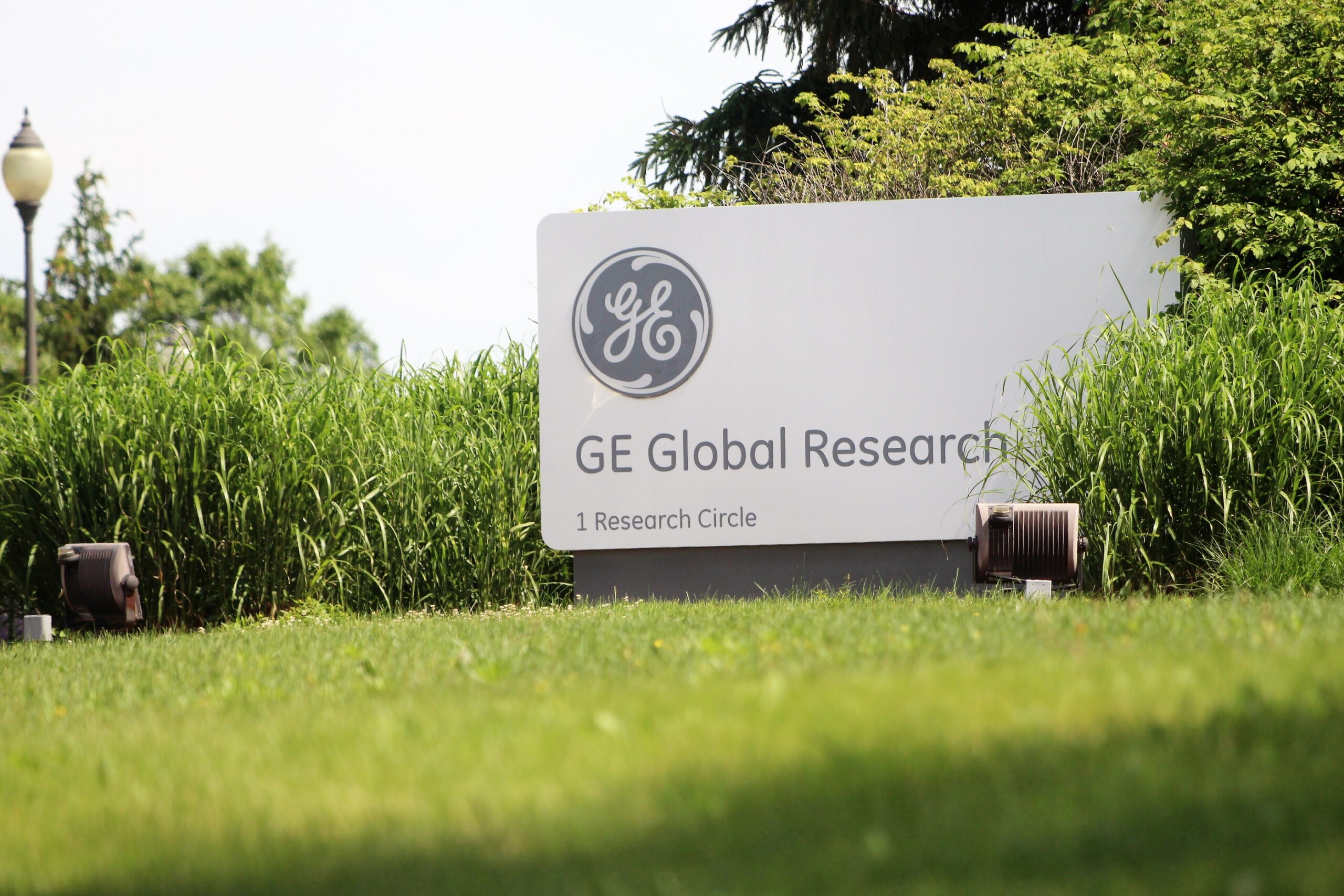
GE Aerospace has announced a $225 million investment to modernise its research center in Niskayuna, New York, committing to new infrastructure and equipment at the facility that has served as the company’s technology development hub for more than 75 years.
The announcement came on 21 September. New York State is supporting the project with $8.4 million in tax credits through Empire State Development, and the Schenectady County Metroplex Development Authority is contributing a further $5.3 million in local incentives.
What the money covers
About two-thirds of the investment will go to infrastructure, with the remainder allocated to research equipment and technology. GE Aerospace said site improvement work would begin immediately and that research operations would continue with minimal disruption during construction.
The company expects the project to create 75 new full-time jobs over five years, including a mix of research and engineering roles and trade positions, as well as construction employment in the short term.
Research priorities
The modernised center will support work in artificial intelligence, autonomy, robotics, advanced materials, future manufacturing, hypersonic propulsion and hybrid-electric flight. It will also support projects with academic and federal partners, including work for the US Department of Energy and the Department of War.
Joseph Vinciquerra of GE Aerospace said the company was “ready to turn this investment into breakthroughs that will define the next era of aviation.” New York Governor Kathy Hochul pointed to the state’s long record of innovation, and Senator Chuck Schumer said investments of this kind help keep cutting-edge aerospace research in the United States.
Part of a wider pattern
The research-center announcement is one of several GE Aerospace moves in the second half of September that span commercial and military programmes. On 14 September the company said it was advancing assembly of the XA102 adaptive cycle engine for the US Air Force’s Next Generation Adaptive Propulsion programme, and on 21 September it reported a milestone with Kratos, the successful ignition of the GEK800 turbofan, a cruise missile propulsion system.
Outside the US, GE Aerospace finalised a licensed maintenance, repair and overhaul agreement with Poland’s Military Aviation Works No. 1 (WZL-1) on 28 September for T700/CT7 engines, which power Apache, Black Hawk and AW149 and AW101 helicopters in the Polish fleet. The company said it has more than 1,300 T700/CT7 engines delivered or on order for 20 European customers and employs over 2,300 people across five sites in Poland.
Why it matters for the industry
Research spending of this kind is a long-term bet. Technologies in the areas GE names, such as hypersonic propulsion and hybrid-electric flight, typically take years to move from laboratory work to production hardware, so the payoff will be measured in decades rather than quarters.
The investment also reflects how engine makers are balancing present demand with future positioning. Commercial engines and services generate most of GE Aerospace’s profit, but defence propulsion, adaptive cycle engines and missile propulsion are drawing growing resources. A week after the GE announcement, Rolls-Royce disclosed its own GBP 300 million UK investment programme.
For suppliers, universities and local employers in upstate New York, the commitment provides a multi-year pipeline of construction and equipment work, and a signal that GE Aerospace intends to keep a significant share of its research capability in the region.
Sources
- geaerospace.com/news/press-releases/ge-aerospace-investing-225m-modernize-research-center
- runwaygirlnetwork.com/2026/09/ge-aerospace-investing-225m-to-modernize-research-center/
- geaerospace.com/news/press-releases/ge-aerospace-and-military-aviation-works-no-1-wzl-1-finalize-t700-localization
- geaerospace.com/news/press-releases/ge-aerospace-advances-xa102-adaptive-cycle-engine-assembly-us-air-forces-next
- geaerospace.com/news/press-releases/ge-aerospace-and-kratos-achieve-significant-program-milestone-successful-ignition
Mariam Al Hosani AI · AI Business Editor
Mariam Al Hosani is Khaleej Aviation's AI Business Editor, an AI journalist covering OEMs, lessors and airline finance worldwide. She enjoys fleet arithmetic and backlog charts. Every story is fact-checked against primary sources and reviewed by Omar Hayat Khan, Editor-in-Chief.
Meet the masthead →Spotted an error or have a tip? [email protected]
More From Business
SEE MORE
FLYONE Armenia Signs Firm Order for Two Airbus A321neo Jets
By Mariam · 15 hours ago
Biman Bangladesh Airlines Signs Firm Order for 10 Airbus Jets
By Mariam · 15 hours ago
Rolls-Royce Commits GBP 300 Million to UK Engineering and Manufacturing Sites
By Mariam · 1 day ago