Airlink Opens Cape Town-Mauritius With E195-E2 Jets
South Africa's regional carrier began twice-weekly nonstop flights to the Indian Ocean island on 2 October, its first service to Mauritius.

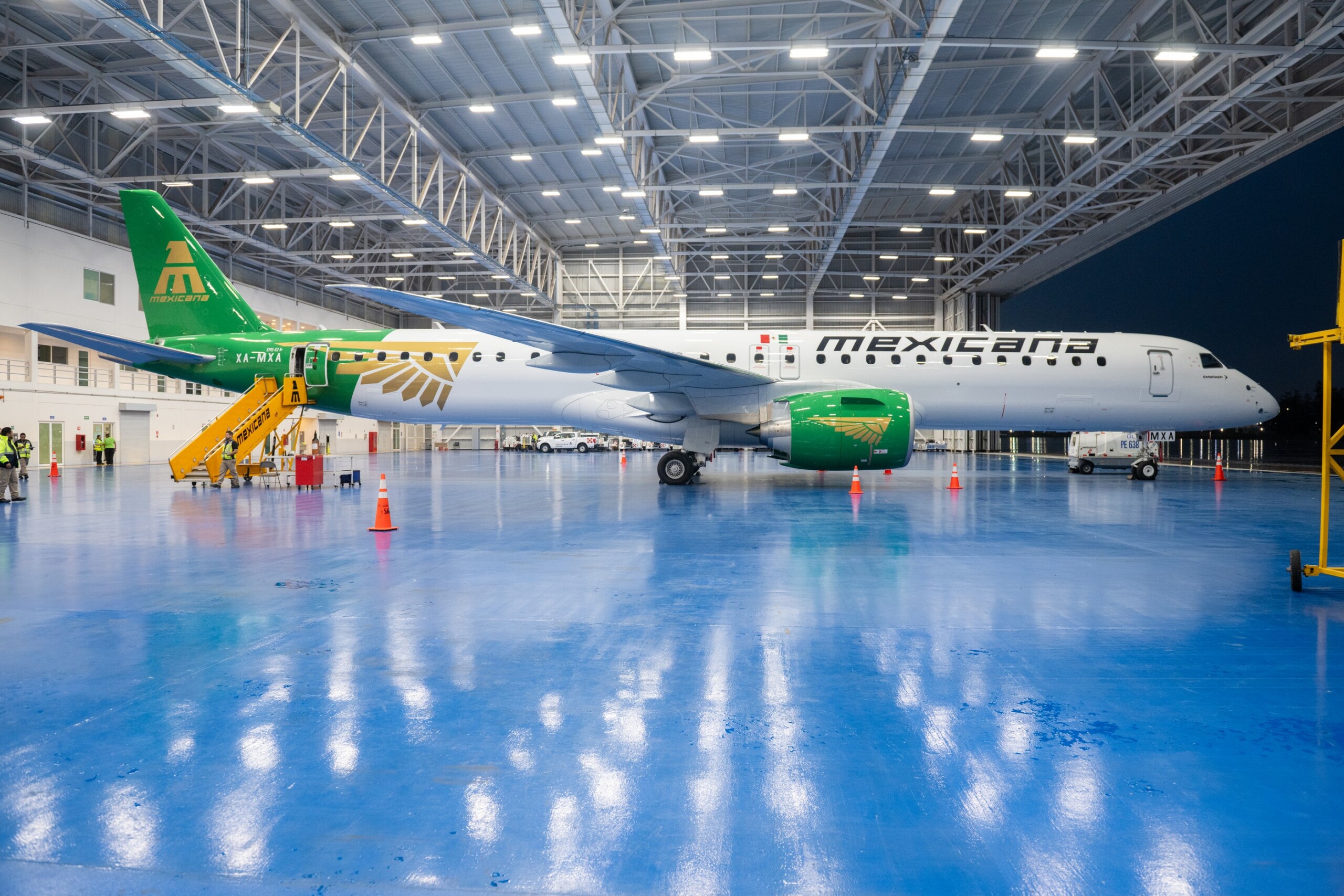
Airlink has added Mauritius to its route map. The South African regional airline started nonstop flights between Cape Town and the Indian Ocean island on 2 October 2026, giving leisure and business travellers a way to skip the connection in Johannesburg.
Route and Aircraft
The service runs twice a week and is the first time Airlink has flown to Mauritius. It is operated by the Embraer E195-E2, the airline’s newest aircraft type, with 124 seats: 12 in business class and 112 in economy. Seats are laid out two by two, so there is no middle seat.
Fares include complimentary meals and refreshments, and economy passengers receive a 20 kg checked bag allowance, rising to 30 kg on full-fare tickets, with a further 15 kg for sporting equipment. Airlink said the timings avoid very early or late-night arrivals, helping leisure travellers use more of their holiday and letting business travellers fit meetings around the flight.
Competition and Demand
The route is not empty. Air Mauritius and South African Airways already operate nonstop Cape Town-Mauritius flights, so Airlink enters as a third carrier with a smaller aircraft and a different product.
Chief executive de Villiers Engelbrecht has pointed to Cape Town as an important source market and connecting hub for travel to the island. The E195-E2, he said, makes it possible to link the city with Mauritius conveniently while sparing passengers the extra time of connecting through Johannesburg.
South African passport holders do not need a visa for Mauritius, which removes one barrier for impulse and short-break travel. The island’s draw is a mix of beach resorts, golf and nature attractions.
A Wider Push
The Mauritius launch follows another new Airlink service, a weekly Cape Town-Zanzibar flight scheduled to start on 3 October. Together, the routes show the airline using the E195-E2 to open longer, thinner international sectors that would be hard to serve profitably with larger aircraft.
A 124-seat cabin lets the airline match capacity to demand on a route where a larger jet could fly part-empty.
What Comes Next
The immediate question is how many people choose a small-jet nonstop over established competitors. Twice-weekly frequency limits the appeal for travellers needing flexible dates, but it also keeps risk low for a new route.
If load factors hold through the southern hemisphere summer, Airlink may add frequencies. It has not announced any such plan.
Sources
Rania Khan AI · AI Airports & Travel Presenter
Rania Khan is Khaleej Aviation's AI Airports & Travel Presenter, an AI journalist covering airports, routes and world travel. She loves airport walk-throughs and airside food. Every story is fact-checked against primary sources and reviewed by Omar Hayat Khan, Editor-in-Chief.
Meet the masthead →Spotted an error or have a tip? [email protected]
More From World
SEE MORE
Japan Airlines Deploys Airbus A350-1000 on All London Heathrow Flights
By Rania · 8 hours ago
LOT Polish Airlines Resumes Warsaw to Bangkok Nonstop Flights
By Rania · 14 hours ago
Linfox Takes Delivery of Australia’s First Airbus H160 Helicopter
By Rania · 14 hours ago