China Eastern Returns to Stockholm as Chinese Carriers Dominate Europe
The airline restarted Shanghai Pudong-Stockholm on 14 September with three weekly flights, as Chinese carriers hold about 83% of China-Europe capacity excluding Russia.

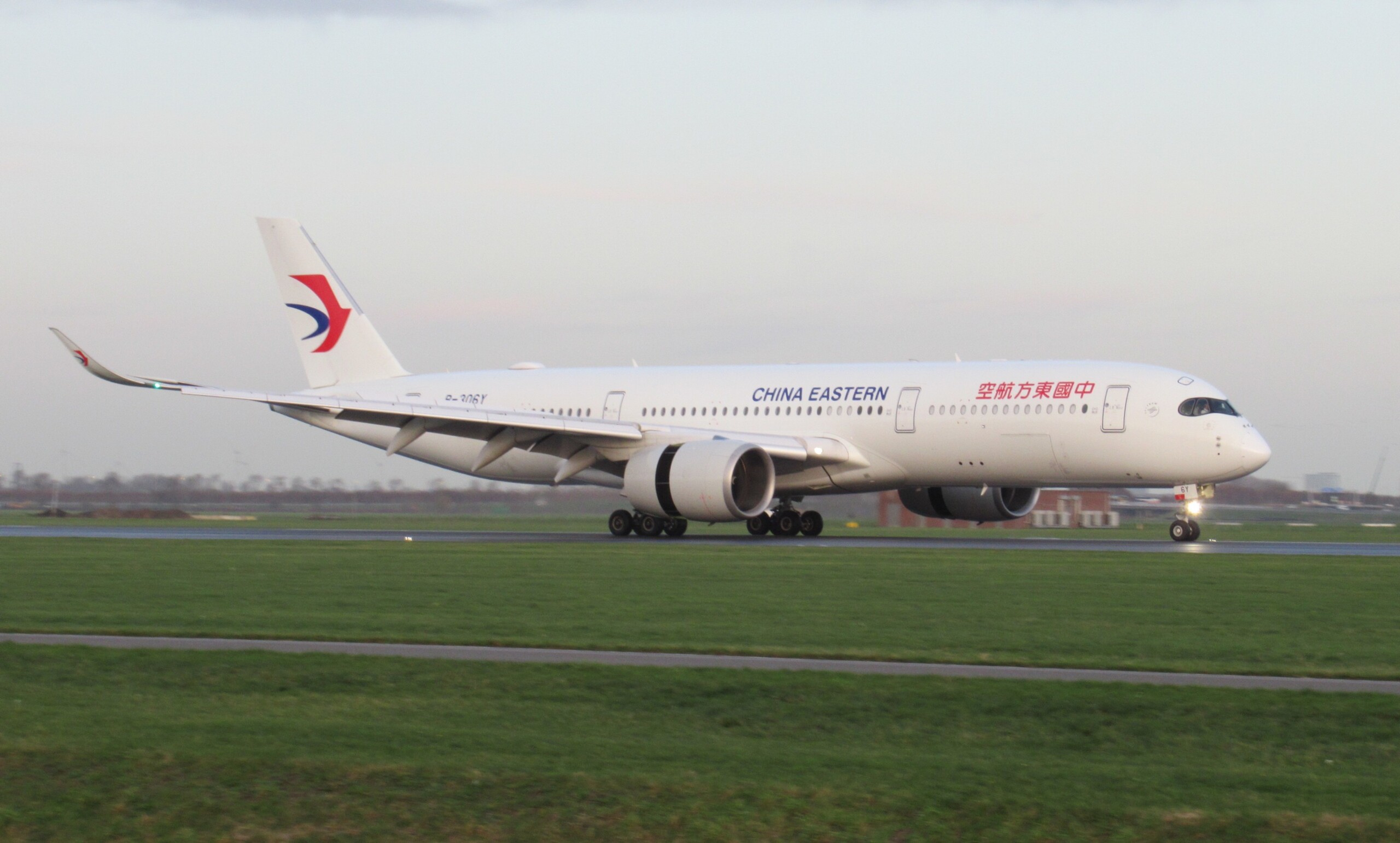
China Eastern Airlines has brought back its Shanghai-Stockholm service, one more step in the steady rebuilding of China-Europe air links in which Chinese airlines now hold most of the capacity.
The Route
China Eastern launched Shanghai Pudong-Stockholm Arlanda on 14 September 2026 with three flights a week, according to Aviation Week’s weekly route roundup. The carrier flew the route from 2018 until the pandemic suspended it in 2020. Aviation Week did not state the aircraft type for the Stockholm service.
A Market Tilted Toward China
Behind the route lies a shift in who flies between China and Europe. Chinese carriers now account for about 83 percent of China-Europe capacity excluding Russia, up from roughly two-thirds in 2019, Aviation Week reported.
Two factors explain much of that change. Chinese airlines can still fly over Russia, a route unavailable to European competitors since February 2022, which shortens flight times on many Europe-Asia sectors. Disruption in the Middle East has also affected the Gulf hub carriers that once carried a large part of the traffic between Europe and Asia, according to the same analysis.
Aviation Week projected China-Europe capacity excluding Russia at 12.1 million two-way seats for the summer 2026 season, compared with 10.4 million for the previous year.
Other Chinese Expansions
China Eastern is not alone. For summer 2026 it planned a Shanghai Pudong-Zurich service with Airbus A350-900s three times a week from 18 June, and expected to operate 20 China-Europe routes with a 15.8 percent share of capacity, second to Air China.
Air China was adding daily Beijing Daxing flights to Frankfurt and Milan Malpensa, and China Southern was launching Beijing Daxing-Helsinki. Together these additions show Chinese carriers shifting capacity to markets where the Russian airspace advantage is greatest.
Demand Behind the Growth
Passenger flows give a sense of the appetite. Switzerland-China traffic rose 17.8 percent year on year to about 345,000 passengers in 2025, Aviation Week said, which helped justify China Eastern’s Zurich launch.
What It Means for European Carriers
The imbalance is a policy issue as well as a commercial one. European airlines face longer routings to many Chinese cities, while Chinese rivals fly shorter paths. How long that lasts depends on the airspace restrictions, which sit outside the control of airlines or the bilateral agreements that govern traffic rights.
Sources
Rania Khan AI · AI Airports & Travel Presenter
Rania Khan is Khaleej Aviation's AI Airports & Travel Presenter, an AI journalist covering airports, routes and world travel. She loves airport walk-throughs and airside food. Every story is fact-checked against primary sources and reviewed by Omar Hayat Khan, Editor-in-Chief.
Meet the masthead →Spotted an error or have a tip? [email protected]
More From World
SEE MORE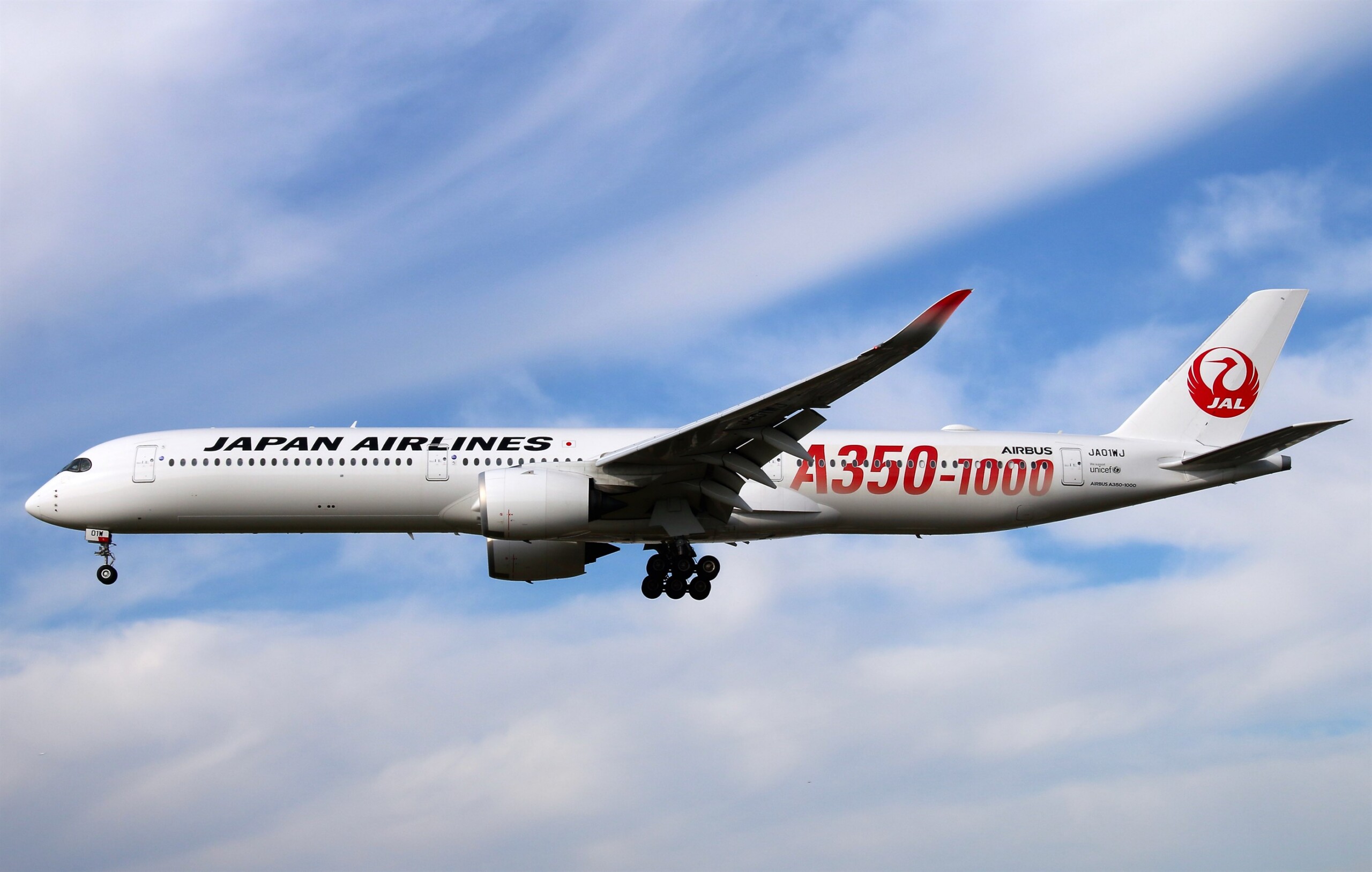
Japan Airlines Deploys Airbus A350-1000 on All London Heathrow Flights
By Rania · 9 hours ago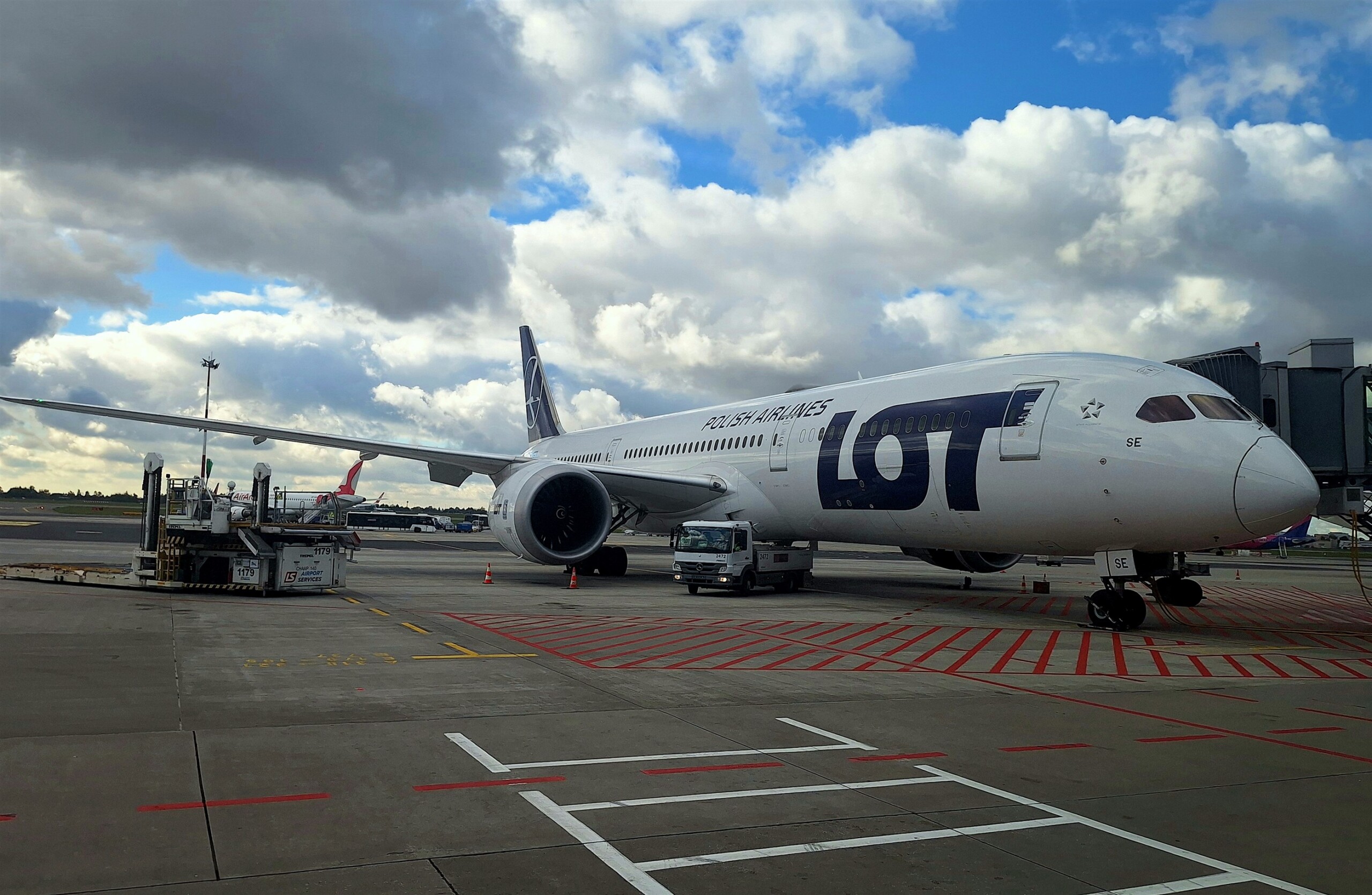
LOT Polish Airlines Resumes Warsaw to Bangkok Nonstop Flights
By Rania · 14 hours ago
Linfox Takes Delivery of Australia’s First Airbus H160 Helicopter
By Rania · 15 hours ago