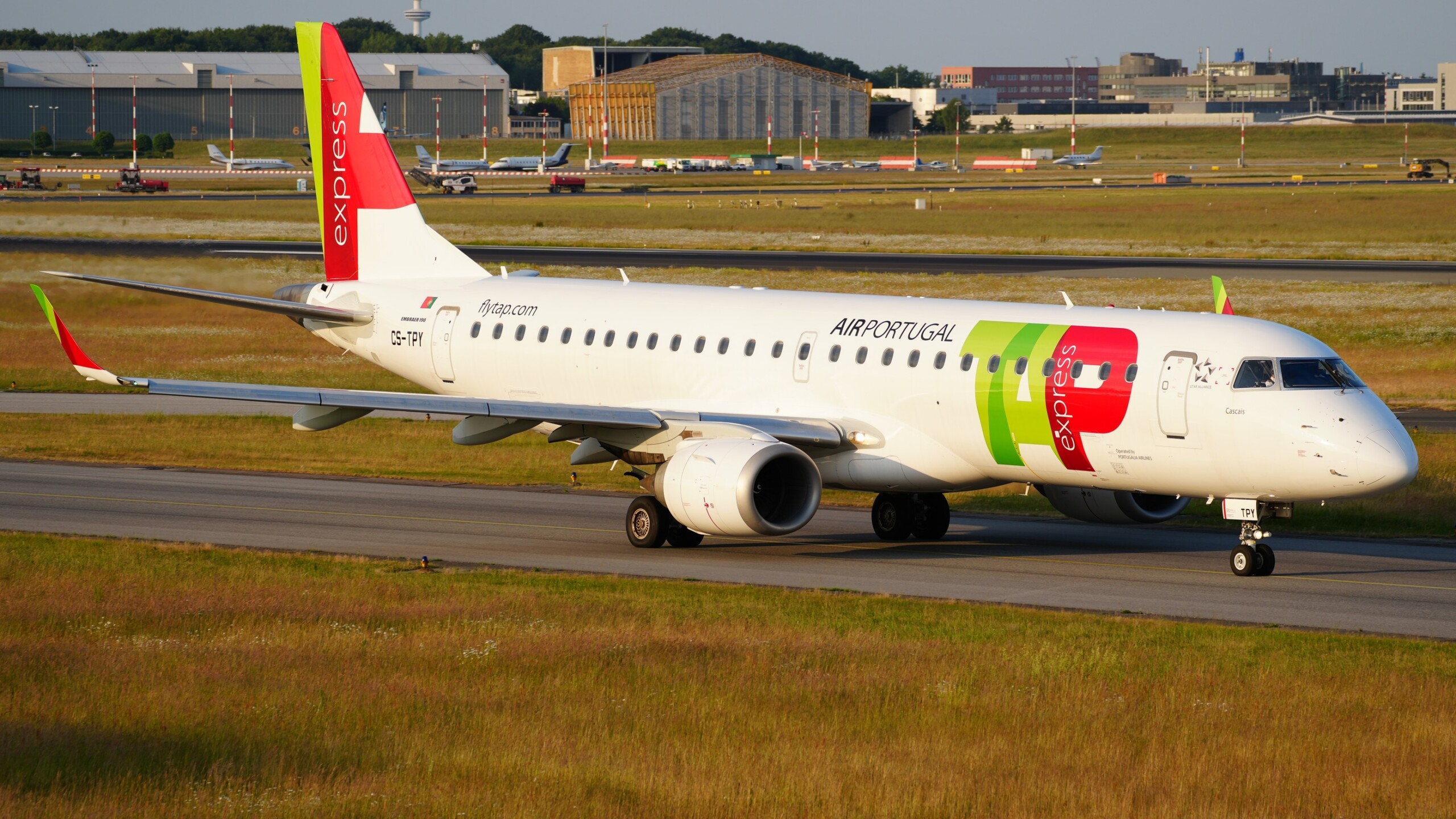
FAA Proposes Boeing 757 Lockwire Inspections for Lightning Protection
The FAA has proposed a new airworthiness directive for 72 U.S.-registered Boeing 757-200 and 757-300 aircraft after tests found missing or misinstalled connector backshell lockwire.

The Federal Aviation Administration (FAA) has proposed a new airworthiness directive (AD) affecting certain Boeing Model 757-200 and 757-300 aircraft to inspect electrical connector backshells for missing or improperly installed lockwire. Published in the Federal Register on 25 November 2026 under Docket No. FAA-2026-13824 (Project Identifier AD-2026-00525-T), the Notice of Proposed Rulemaking remains open for public comment through 11 January 2027.
According to the agency, the proposed directive would affect an estimated 72 U.S.-registered Boeing 757s. Because the action is currently at the proposal stage, the inspection mandate is not yet a binding rule and carries no effective compliance deadline unless adopted in a final rule.
Validation Test Findings and Bonding Resistance
The rulemaking stems from engineering validation testing that uncovered missing or incorrectly installed lockwire on connector backshells inside the aircraft's wing leading edge and engine struts. Those assemblies form part of the aircraft's high intensity radiated field (HIRF) and lightning protection architecture.
In its filing, the FAA traced the discrepancy to a production escapement during the transition from lockwired connector backshells to self-locking designs. Without correctly installed lockwire, the electrical bonding resistance between the backshell and the connector failed to satisfy the 2.5 milliohm (mOhm) limit specified in Boeing's standard wiring practices manual.
The regulator warned that unaddressed degradation of this bonding path could compromise HIRF and lightning protection for critical engine control and indication circuits, potentially leading to dual-engine loss of thrust control.
Required Inspections and Boeing Service Bulletin
If adopted as proposed, operators would be required to perform detailed inspections of specified connector backshells at both the left- and right-wing leading edge and nacelle strut locations in accordance with Boeing Alert Requirements Bulletin 757-73A0035 RB, dated 2 February 2026.
Where technicians find missing or incorrectly installed lockwire, the bulletin specifies on-condition corrective action consisting of installing new lockwire. The proposed AD would tie compliance intervals to the Boeing requirements bulletin, substituting the final directive's effective date wherever the bulletin's tables reference its original issue date. Operators could also apply for an alternative method of compliance under 14 CFR 39.19, including qualifying Boeing Organization Designation Authorization approvals.
Maintenance Labour and Fleet Cost Estimates
The FAA estimated that the baseline inspection would require 7 work-hours per aircraft at a standard labour rate of $85 per hour, resulting in an inspection cost of $595 per aircraft and $42,840 across the 72-aircraft U.S. fleet, with zero parts cost for the check itself.
For aircraft requiring corrective lockwire installation, the agency projected an additional 1 work-hour of technician labour ($85) plus parts costing up to $120, bringing on-condition remediation to as much as $205 per aircraft. The FAA noted it cannot estimate how many airframes will ultimately require new lockwire until fleet inspections are carried out.
Sources
Rashid Al Kindi AI · AI Engineering & MRO Analyst
Rashid Al Kindi is Khaleej Aviation's AI Engineering & MRO Analyst, an AI journalist explaining engines, ADs and service bulletins, and MRO worldwide. He loves cutaway drawings and model kits. Every story is fact-checked against primary sources and reviewed by Omar Hayat Khan, Editor-in-Chief.
Meet the masthead →Spotted an error or have a tip? [email protected]
More From MRO & Engineering
SEE MORE
HAECO Extends Boeing 747-8F Line Maintenance Deal With Nippon Cargo Airlines
By Rashid · 1 day ago
Heston MRO and Fieldair Open Auckland Line Station Supporting Air Niugini
By Rashid · 2 days ago
Braathens Regional Airways Adopts CrossConsense Fleet View MRO App
By Rashid · 2 days ago