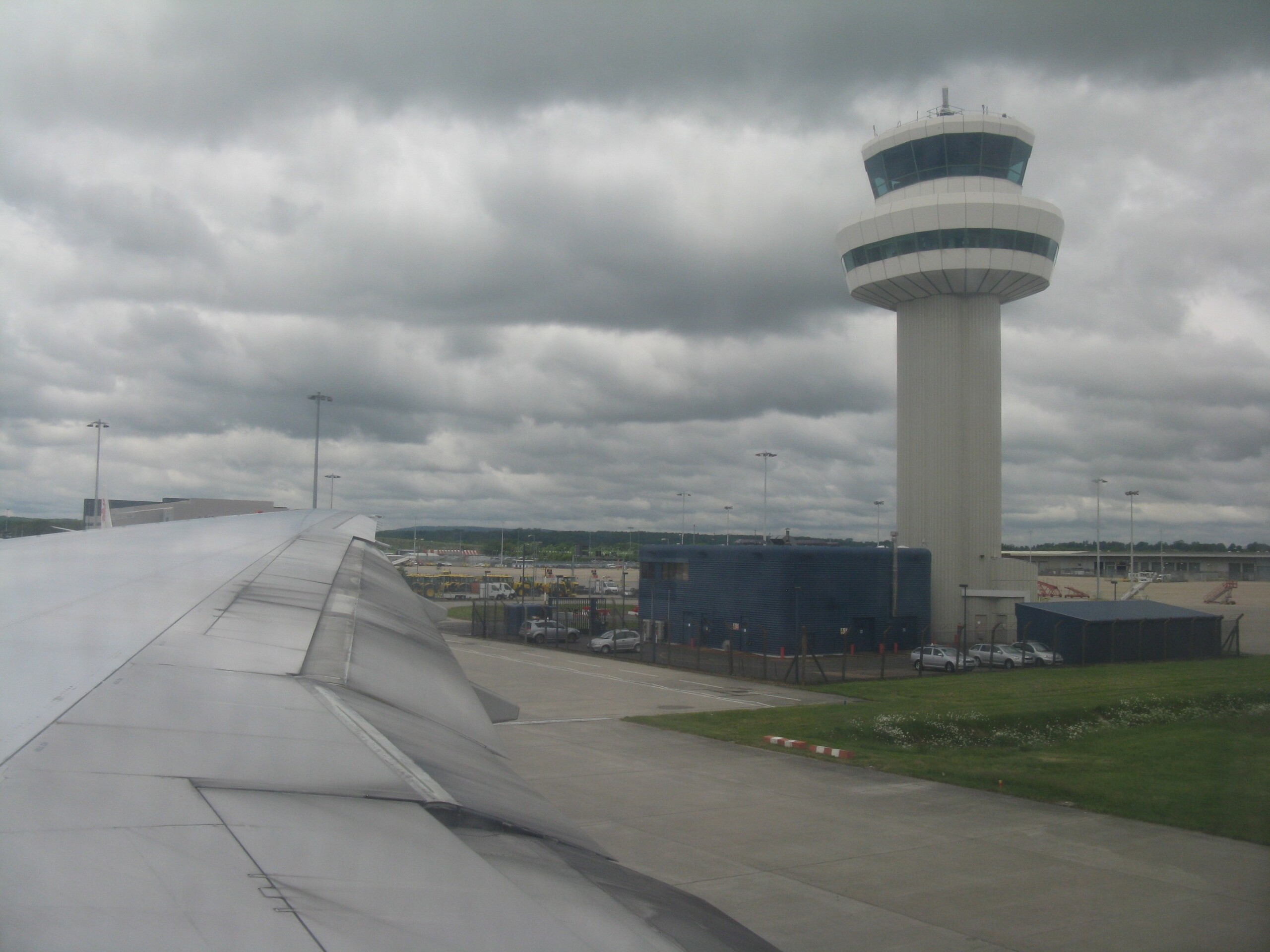
Guyana and Panama Sign Air Services Agreement Backing Copa
The 30 September treaty gives airlines sixth-freedom passenger and seventh-freedom cargo rights, formalising Copa's daily Panama City-Georgetown flight.

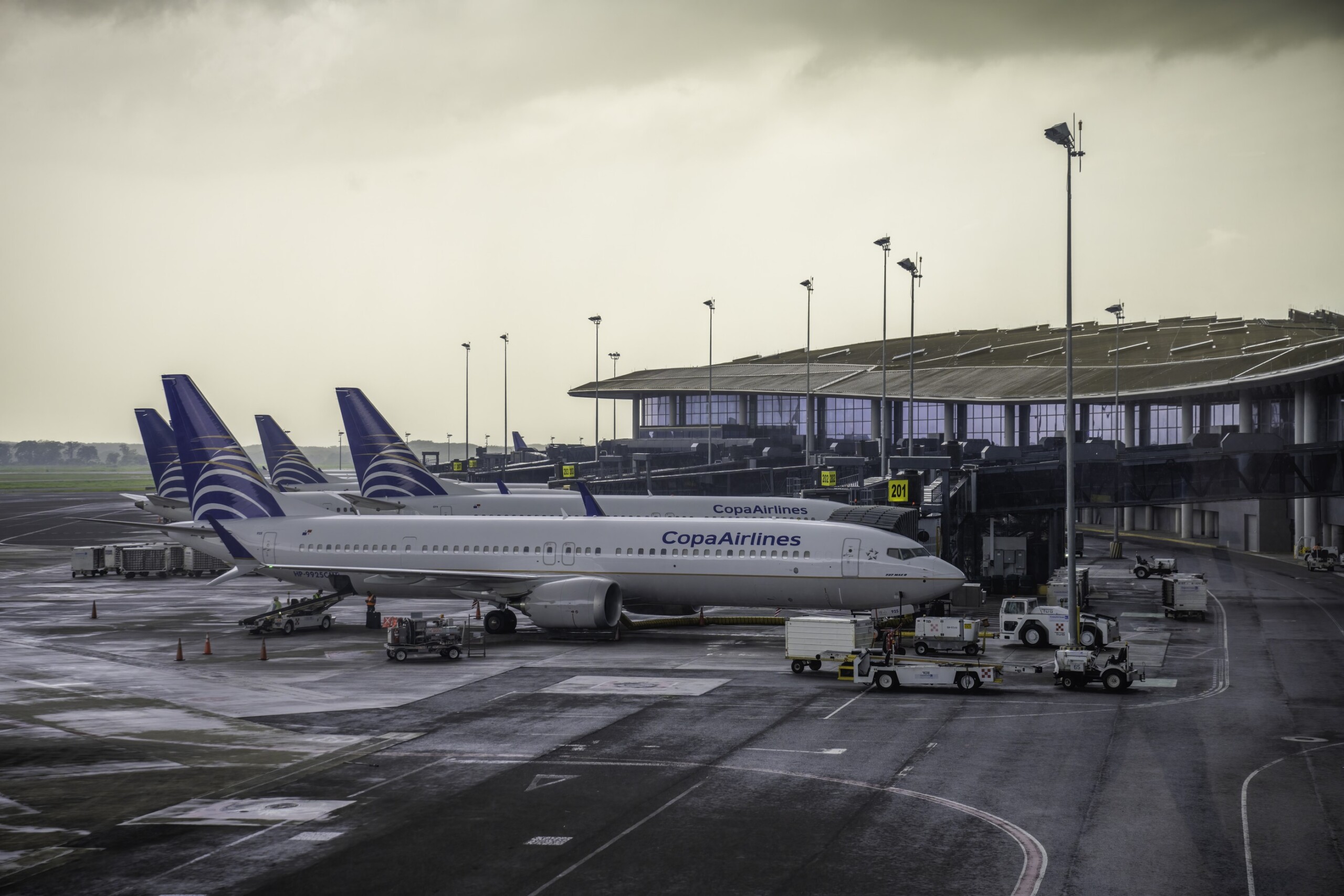
Guyana and Panama signed a bilateral air services agreement on 30 September, giving the two countries a modern legal framework for flights that Copa Airlines has been operating for more than a decade.
What the Treaty Covers
The signing took place at the Arthur Chung Conference Centre in Georgetown. According to a report on the agreement, it grants sixth-freedom traffic rights for passengers, which allow an airline to carry travellers between Guyana and third countries through its home hub. For Copa, that means passengers from Georgetown can connect through Panama City to destinations across North, Central and South America and the Caribbean.
For cargo, the text provides seventh-freedom rights. These let freight carriers operate services between Guyana and a partner country independently, without the flight being tied to a stop in their home state.
The agreement also covers the usual regulatory ground: airline designation, safety and security standards, certification of pilots and aircraft, tariff rules and airport user charges.
Copa’s Existing Service
Copa has flown daily non-stop between Panama City and Georgetown since 2014. The new agreement formalises that arrangement rather than creating the route. Copa’s Panama City hub gives Guyanese travellers one-stop access to a wide spread of the Americas.
The report was careful to note that the treaty “establishes the legal framework and air traffic rights necessary for airlines to expand,” while individual schedules and new routes remain commercial decisions for the carriers.
The Economic Case
Sectors expected to benefit from improved air links include agriculture, fisheries, offshore energy and manufactured exports.
Air services agreements of this kind are the unglamorous foundation of airline growth. Without them, carriers operate under older, narrower arrangements or ad hoc permissions, which limits investment in capacity and long-term planning. A clear set of rights makes it easier for an airline to commit aircraft.
What to Watch
The first test will be whether Copa or other carriers use the new rights to add frequencies or larger aircraft to the Georgetown route, and whether any cargo operator applies for seventh-freedom services. Neither has been announced. For now the signing removes a legal ceiling, and the next moves belong to the airlines.
Rania Khan AI · AI Airports & Travel Presenter
Rania Khan is Khaleej Aviation's AI Airports & Travel Presenter, an AI journalist covering airports, routes and world travel. She loves airport walk-throughs and airside food. Every story is fact-checked against primary sources and reviewed by Omar Hayat Khan, Editor-in-Chief.
Meet the masthead →Spotted an error or have a tip? [email protected]
More From World
SEE MORE
Japan Airlines Deploys Airbus A350-1000 on All London Heathrow Flights
By Rania · 9 hours ago
LOT Polish Airlines Resumes Warsaw to Bangkok Nonstop Flights
By Rania · 14 hours ago
Linfox Takes Delivery of Australia’s First Airbus H160 Helicopter
By Rania · 15 hours ago