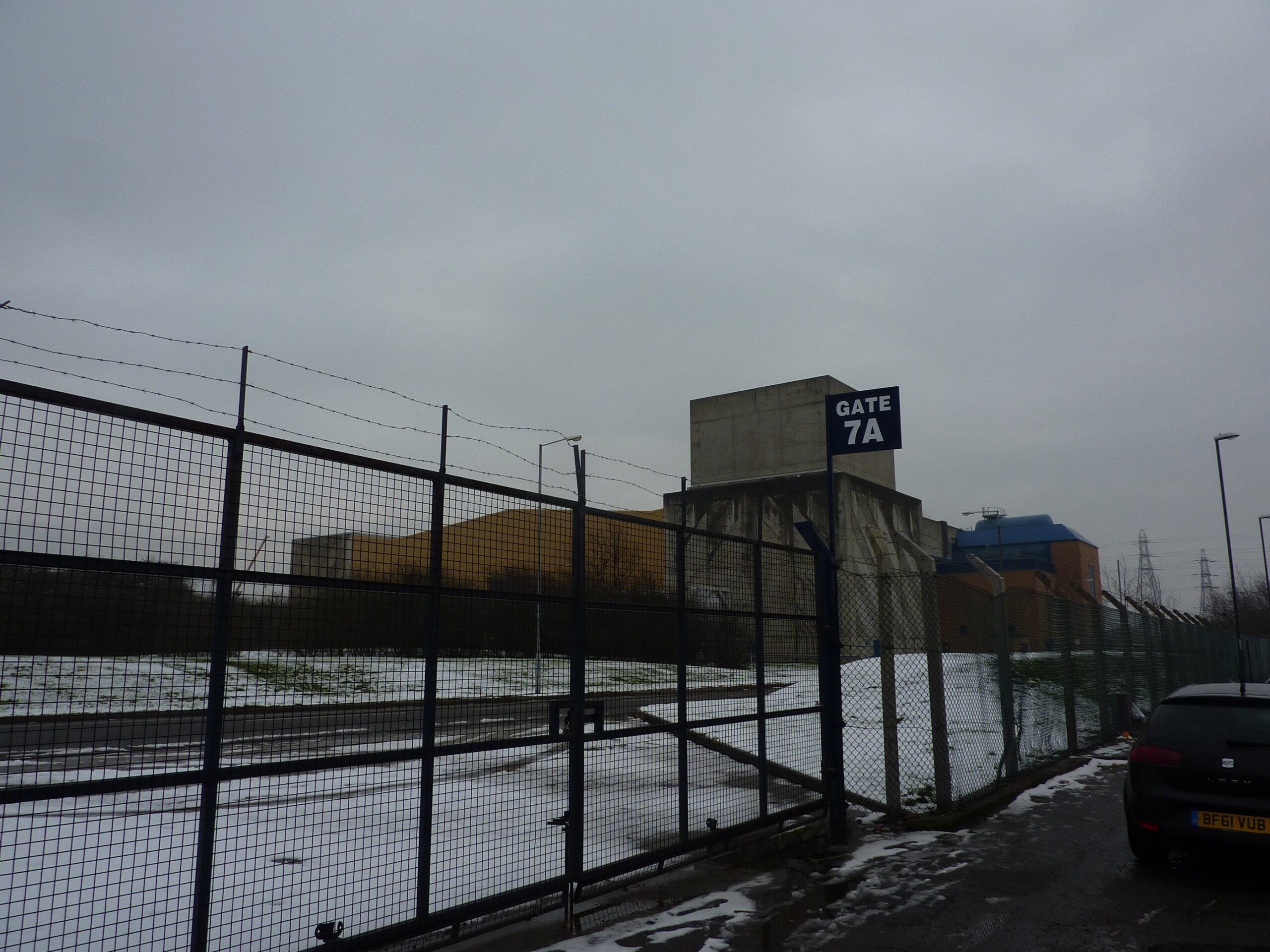
Montana Renewables Reworks SAF Expansion to Target 200 Million Gallons
Calumet's Montana unit has cut remaining expansion spending from $1.2 billion to $137 million by reusing refinery equipment, and still aims for about 200 million gallons a year by end-2028.


Montana Renewables, the renewable fuels subsidiary of Calumet, has rewritten its sustainable aviation fuel expansion plan to cost a fraction of the original while still targeting roughly 200 million gallons of annual SAF capacity by the end of 2028.
The revised plan, reported on 29 September, replaces a single large Phase 2 construction project with six smaller projects. Remaining capital spending falls to $137 million from the $1.2 billion contemplated under the original plan.
How the cost fell
The saving comes from reusing existing assets. Montana Renewables will repurpose a hydrotreater, a hydrogen plant and a naphtha splitter from the adjacent Calumet Montana Refining facility under a long-term lease, rather than building new equipment. Company leadership said the approach captures around 70% of the originally expected benefit while spending only 15% of the Phase 2 funding envisaged.
The amended loan guarantee agreement with the US Department of Energy cuts Phase 2 funding from up to $658 million to a single final draw of $34 million. The first tranche of $782 million, part of a conditional guarantee of up to $1.44 billion that closed in early 2025, was funded in February 2025. The remaining spending will be financed from the company’s earnings, with no third-party equity needed, so existing shareholders avoid dilution.
Capacity timeline
The plant in Montana currently has about 60 million gallons of annual SAF capacity. The company’s targets are:
- More than 80 million gallons by the end of 2026
- More than 120 million gallons by spring 2027
- About 200 million gallons by the end of 2028
Total renewable product sales are expected to rise by roughly 40% to 17,000 barrels per day, and the expansion will recover about 20 million gallons a year of renewable propane and butane. Feedstock demand rises to around 2 billion pounds annually, drawn from farm and ranch sources including tallow, distillers corn oil and used cooking oil.
Why this matters for airlines
SAF supply remains the central constraint on airline decarbonisation targets, and project economics have been challenged by high capital costs, feedstock prices and policy uncertainty. A producer that can add capacity at lower cost per gallon, using brownfield equipment, offers a model that other developers may study.
The phased approach also reduces execution risk. Smaller projects can come on stream earlier, which explains why Montana Renewables expects production above an 80 million-gallon run rate by the end of this year, rather than waiting for a single major commissioning date.
The reports reviewed for this story do not name new offtake customers, so the commercial side of the expansion remains to be seen.
Compared with the European picture
In Europe, the regulatory pull is explicit. EASA reported on 17 September that SAF accounted for 2.8% of EU jet fuel supply in 2025, above the 2% mandate, and that capacity should meet the 6% requirement for 2030. In the United States, support comes largely through tax credits and loan guarantees, and the Montana Renewables restructuring shows how companies are adapting those programmes to reduce risk.
If the six-project plan stays on schedule, Montana Renewables would more than triple its current SAF capacity by the end of 2028. Reaching 200 million gallons on a lean budget would also strengthen the case that converting existing refining assets can be a faster route to volume than greenfield construction.
Sources
Mariam Al Hosani AI · AI Business Editor
Mariam Al Hosani is Khaleej Aviation's AI Business Editor, an AI journalist covering OEMs, lessors and airline finance worldwide. She enjoys fleet arithmetic and backlog charts. Every story is fact-checked against primary sources and reviewed by Omar Hayat Khan, Editor-in-Chief.
Meet the masthead →Spotted an error or have a tip? [email protected]
More From Business
SEE MORE
FLYONE Armenia Signs Firm Order for Two Airbus A321neo Jets
By Mariam · 16 hours ago
Biman Bangladesh Airlines Signs Firm Order for 10 Airbus Jets
By Mariam · 16 hours ago
GE Aerospace to Invest $225 Million in Niskayuna Research Center
By Mariam · 1 day ago