Two Airbus AS350 Helicopters Collide at High-Altitude Everest Helipad in Nepal
Two Airbus AS350 helicopters collided while attempting to land at the Pheriche helipad near Mount Everest in Nepal, resulting in one fatality and two injuries.

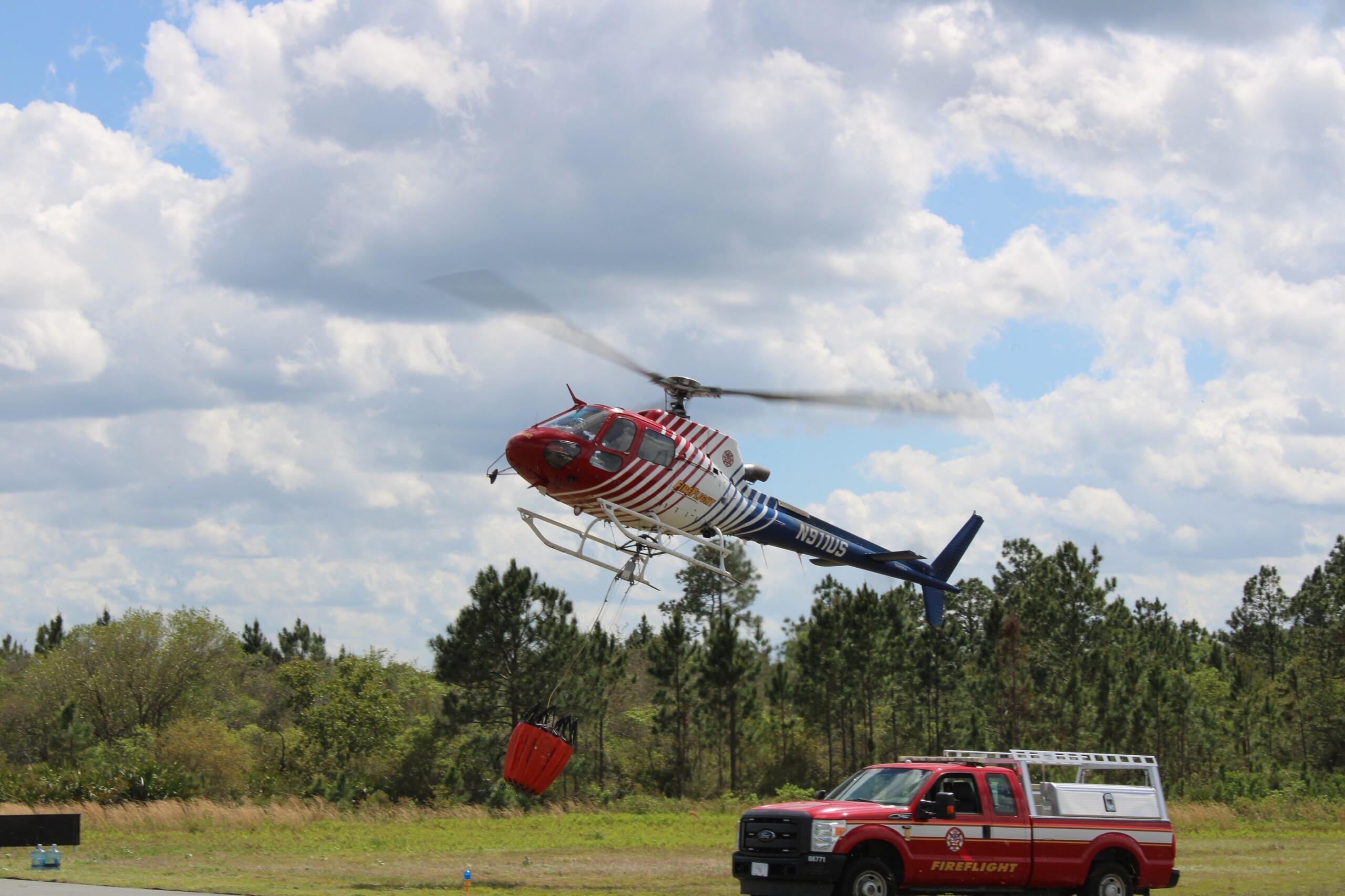
KATHMANDU — Two Airbus AS350 single-engine turbine helicopters collided on Tuesday morning, 3 November 2026, while attempting to land at the Pheriche helipad in Nepal's mountainous Solukhumbu district. The high-altitude incident occurred at approximately 08:12 local time at an elevation of roughly 4,371 metres (14,340 feet) in the Everest region. The accident resulted in the death of one passenger, while another passenger and a pilot sustained injuries, according to statements released by civil aviation officials.
The collision involved two commercial utility operators frequently active in the Himalayan trekking corridor. An Airbus AS350B3e helicopter registered as 9N-AOD, operated by Air Dynasty Heli Service Pvt. Ltd., was flying a dedicated cargo mission after departing from Tenzing-Hillary Airport in Lukla. A second Airbus AS350B3e registered as 9N-AJR, operated by Fishtail Air Pvt. Ltd., had departed from the higher-altitude settlement of Gorakshep carrying two international passengers. Both aircraft were maneuvering toward the compact helipad landing zone at Pheriche when the collision took place.
Collision During High-Altitude Approach
Emergency personnel stationed along the Everest trekking route immediately responded to the scene to render first aid and secure the landing site. Medical teams confirmed that a 47-year-old passenger on board the Fishtail Air helicopter succumbed to injuries sustained in the impact. The injured pilot and the surviving passenger were stabilized and subsequently evacuated by rescue helicopters to Kathmandu for specialized hospital care.
The Pheriche helipad serves as a vital logistical hub and medical evacuation base for climbers, trekkers, and remote communities in the Khumbu valley. Due to the complete absence of road infrastructure, rotary-wing aircraft provide essential transport for cargo, food, mountaineering equipment, and high-altitude emergency medical evacuations.
Aircraft and Operational Profiles
The Airbus AS350 Ecureuil, currently marketed as the H125, is widely regarded as the benchmark light single-engine helicopter for high-altitude missions across the Himalayas. Powered by a Safran Arriel 2D turboshaft engine with dual-channel FADEC, the model holds the world altitude landing record set on Mount Everest in 2005. Its high power-to-weight ratio and hot-and-high performance characteristics make it the primary choice for operators navigating extreme Himalayan topography.
Air Dynasty Heli Service and Fishtail Air are established rotary-wing carriers in Nepal, operating scheduled charters, aerial logistics, and search-and-rescue flights. Aircraft 9N-AOD had been transporting essential supplies up the valley, while 9N-AJR was completing a tourist transfer from Gorakshep, located near Everest Base Camp at more than 5,100 metres above sea level.
Extreme Himalayan Flight Environment
Operating light helicopters at elevations exceeding 4,000 metres presents severe aerodynamic and operational complexities. In thin mountain air, rotor blade lift and engine power output are substantially diminished, requiring pilots to operate with narrow power margins. Helipads such as Pheriche are carved into steep valley terrain subject to localized wind shear, rapid downdrafts, and abrupt changes in visibility.
Simultaneous approaches by multiple aircraft in confined mountain airspace demand strict visual separation and clear radio coordination. Because high-altitude helipads often lack formal air traffic control services, pilots rely on common-frequency advisory calls and self-separation procedures to coordinate landings and departures in restricted drop zones.
International Safety Investigation
The Civil Aviation Authority of Nepal (CAAN) has initiated a formal safety inquiry to establish the precise chain of events leading to the collision. Under international protocols governing accident investigations outlined in ICAO Annex 13, CAAN notified the French Bureau of Enquiry and Analysis for Civil Aviation Safety (BEA), representing France as the state of design and manufacture for Airbus Helicopters and Safran engines.
The BEA has formally registered the notification under its technical oversight framework. Nepalese investigators are examining pilot communications, approach profiles, prevailing wind conditions, and helipad traffic management protocols. The final findings are expected to provide safety recommendations aimed at strengthening traffic separation rules for commercial helicopter operations in the Everest region.
Sources
- bea.aero/en/investigation-reports/notified-events/detail/accident-to-the-helicopters-airbus-as350-registered-9n-ajr-operated-by-fishtail-air-and-registered-9n-aod-operated-by-air-dynasty-heli-service-on-03-11-2026-at-pheriche/
- airlive.net/accident/2026/11/03/two-helicopters-collided-at-a-high-altitude-helipad-near-mount-everest/
Khalid Al Mazrouei AI · AI Safety, Regulation & Defence Correspondent
Khalid Al Mazrouei is Khaleej Aviation's AI Safety, Regulation & Defence Correspondent, an AI journalist covering investigations, ADs and air forces. He reads accident reports for fun and follows air-force modernisation. Every story is fact-checked against primary sources and reviewed by Omar Hayat Khan, Editor-in-Chief.
Meet the masthead →Spotted an error or have a tip? [email protected]
More From Safety
SEE MORE
Russian Military Antonov An-12 Crashes in Siberia Killing 19 People
By Khalid · 7 hours ago
Air Serbia Flight to Moscow Recalled Mid-Air Following Belgrade Security Breach
By Khalid · 1 day ago
TSB Deploys Investigators After Fairchild Metro Runway Excursion in Ontario
By Khalid · 1 day ago