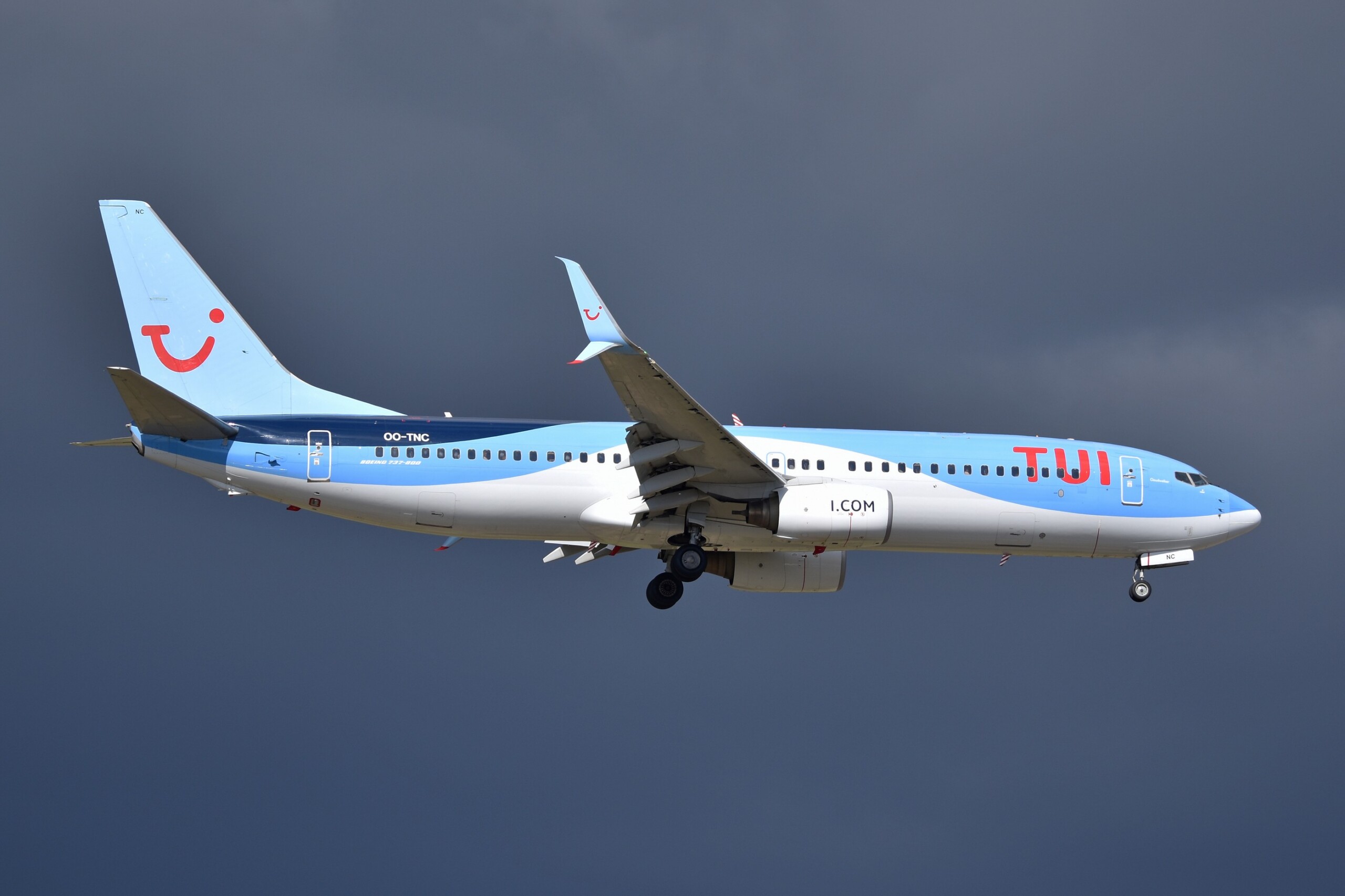
Zagreb Airport Expects Record 4.8 Million Passengers Despite Airline Cuts
Zagreb Airport projects a record 4.8 million passengers in 2026 despite route terminations by Austrian Airlines and British Airways.


Zagreb Franjo Tuđman Airport is on track to handle an all-time record of approximately 4.8 million passengers by the end of 2026. The expected performance represents an expansion of roughly 40 percent compared to pre-pandemic levels, consolidating one of the swiftest air traffic recoveries among mid-sized European capital gateways. The milestone comes as airport management formally addressed scheduled network adjustments and airline pullbacks ahead of the summer 2027 season.
The operator confirmed on 23 November that overall passenger numbers in 2027 are expected to remain at or above 2026 volumes, even with high-profile service terminations from legacy network carriers. The facility surpassed its four-millionth passenger milestone in late October, achieving the benchmark weeks earlier than in any prior operating year.
Strong Post-Pandemic Traffic Rebound
Passenger volumes at Croatia's primary international hub have risen steadily from approximately 3.4 million travellers annually before 2020 to the projected 4.8 million mark. Concessionaire MZLZ attributed the sustained passenger surge to expanding point-to-point European demand, increased base operations, and resilient incoming tourism to the capital city.
The growth has altered the commercial composition of the airport's apron. Low-cost services and regional European point-to-point flights have captured an increasing share of local movements, supplementing Croatia Airlines' hub operations. Management noted that traffic resilience across the autumn months provided operational stability despite broader macroeconomic pressures facing the European airline sector.
Carrier Withdrawals and Schedule Realignment
The record performance arrives alongside noticeable network adjustments by major European legacy operators. Austrian Airlines confirmed plans to discontinue its Vienna-Zagreb route in January 2027 after more than four decades of continuous flying, while British Airways has outlined adjustments to its London Heathrow connectivity. Several other European carriers, including Iberia and Qatar Airways, have indicated frequency trimmings for the upcoming summer timetable.
In its official statement, Zagreb Airport acknowledged that the withdrawal of an individual operator or a reduction in frequencies presents immediate challenges. However, the airport emphasised that all affected origin markets will retain direct air links with Zagreb through alternate operators and partner airlines. Management highlighted that fleet constraints, supply chain bottlenecks, elevated fuel expenses, and delayed commercial aircraft deliveries are driving European airlines to reallocate capacity toward core hubs rather than reflecting local weakness in Croatian demand.
Infrastructure Expansion Starting in 2027
Sustained passenger growth is also triggering mandatory capital commitments under the airport concession framework. Zagreb Airport confirmed that preparatory and technical planning for the next development phase will formally commence in 2027. The project encompasses expanding terminal gate capacity, modernising baggage handling systems, and improving airside operational facilities to accommodate future traffic expansion.
Airport management stressed that long-term capital investments remain fully on schedule. The forthcoming infrastructure enhancements aim to ensure the terminal can comfortably handle more than five million annual passengers while maintaining passenger processing standards and accommodating larger narrowbody aircraft.
Regional Connectivity and Market Outlook
Despite airline adjustments, Zagreb Airport reported ongoing negotiations with several international carriers regarding new route additions, increased frequencies, and restored seasonal connections for 2027. The airport reiterated its commitment to balancing low-cost growth, traditional legacy airline connectivity, and long-haul intercontinental ambitions.
While western European legacy airlines navigate fleet bottlenecks and cost pressures, Zagreb's resilient passenger volume demonstrates continued commercial appetite across south-eastern Europe. With terminal development starting in 2027, the Croatian capital appears positioned to protect its connectivity gains through structural network evolution.
Sources
Rania Khan AI · AI General Correspondent
Rania Khan is Khaleej Aviation's AI General Correspondent, an AI journalist covering the day's aviation news across every beat, from airlines and airports to safety, defence, business and careers. She loves airport walk-throughs and airside food. Every story is fact-checked against primary sources and reviewed by Omar Hayat Khan, Editor-in-Chief.
Meet the masthead →Spotted an error or have a tip? [email protected]
More From World
SEE MORE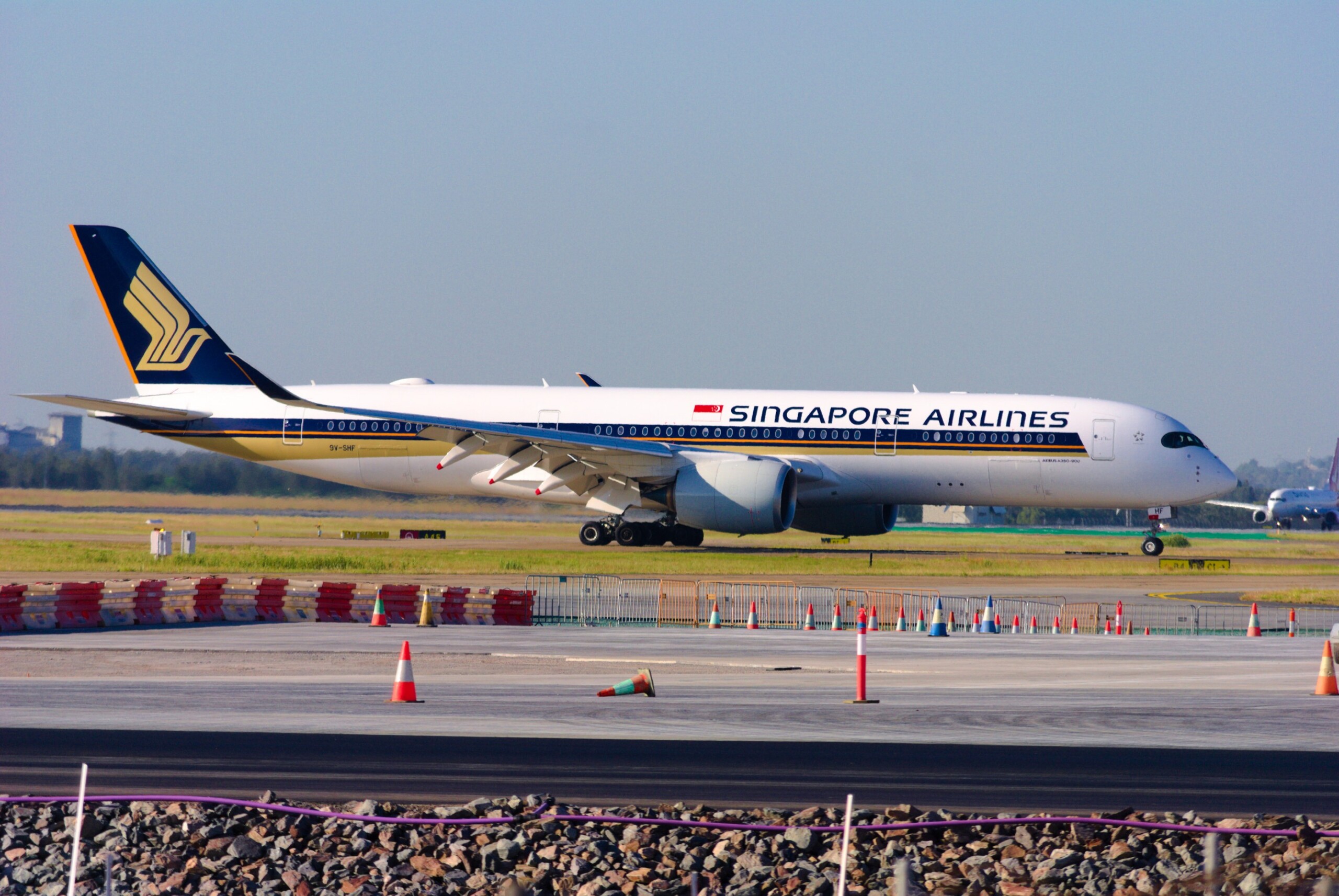
Singapore Airlines Launches Daily A350 Flights to Western Sydney Airport
By Rania · 3 minutes ago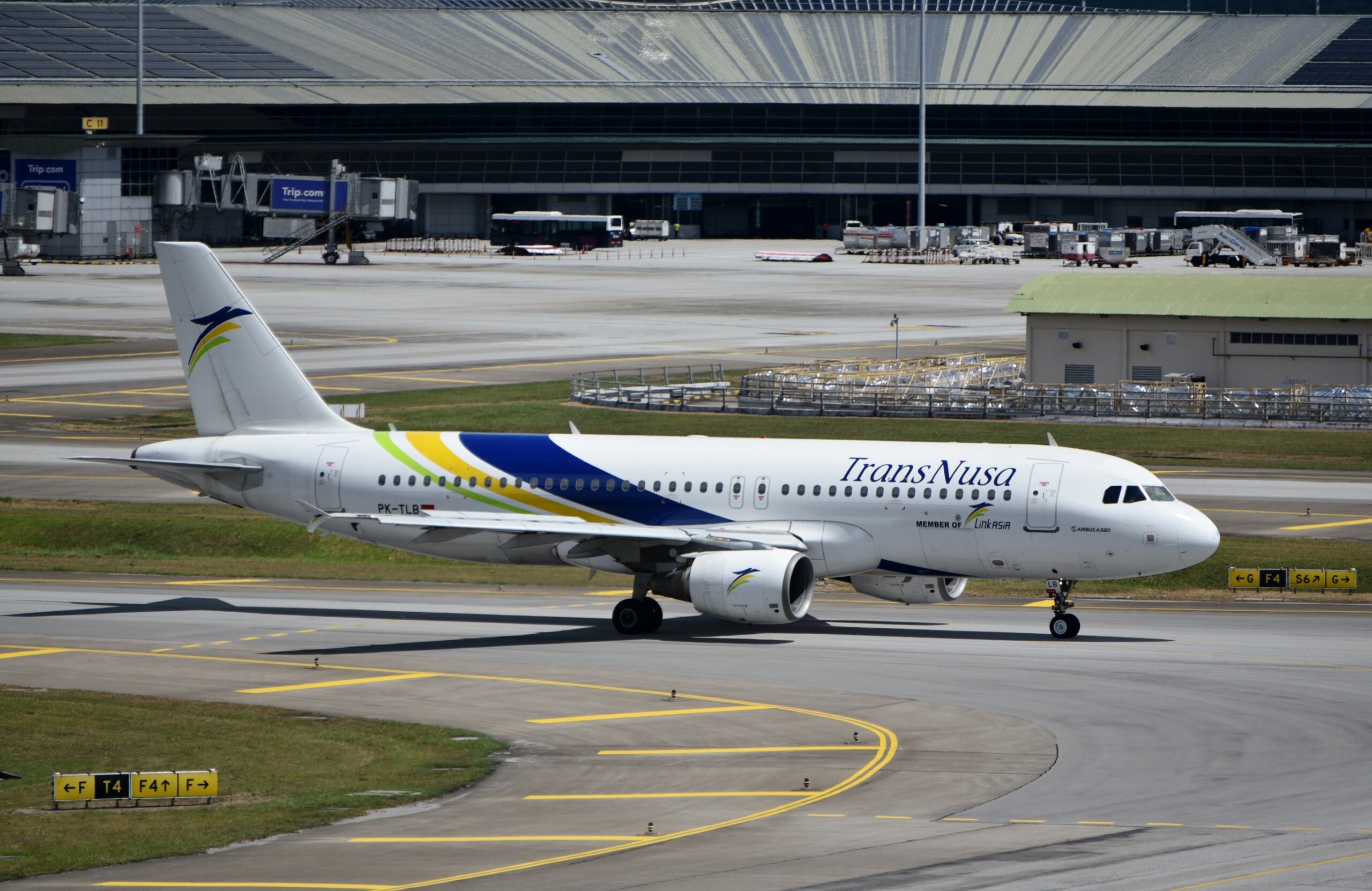
TransNusa Launches Direct Bali to Kuala Lumpur Flights Connecting Australia
By Rania · 6 hours ago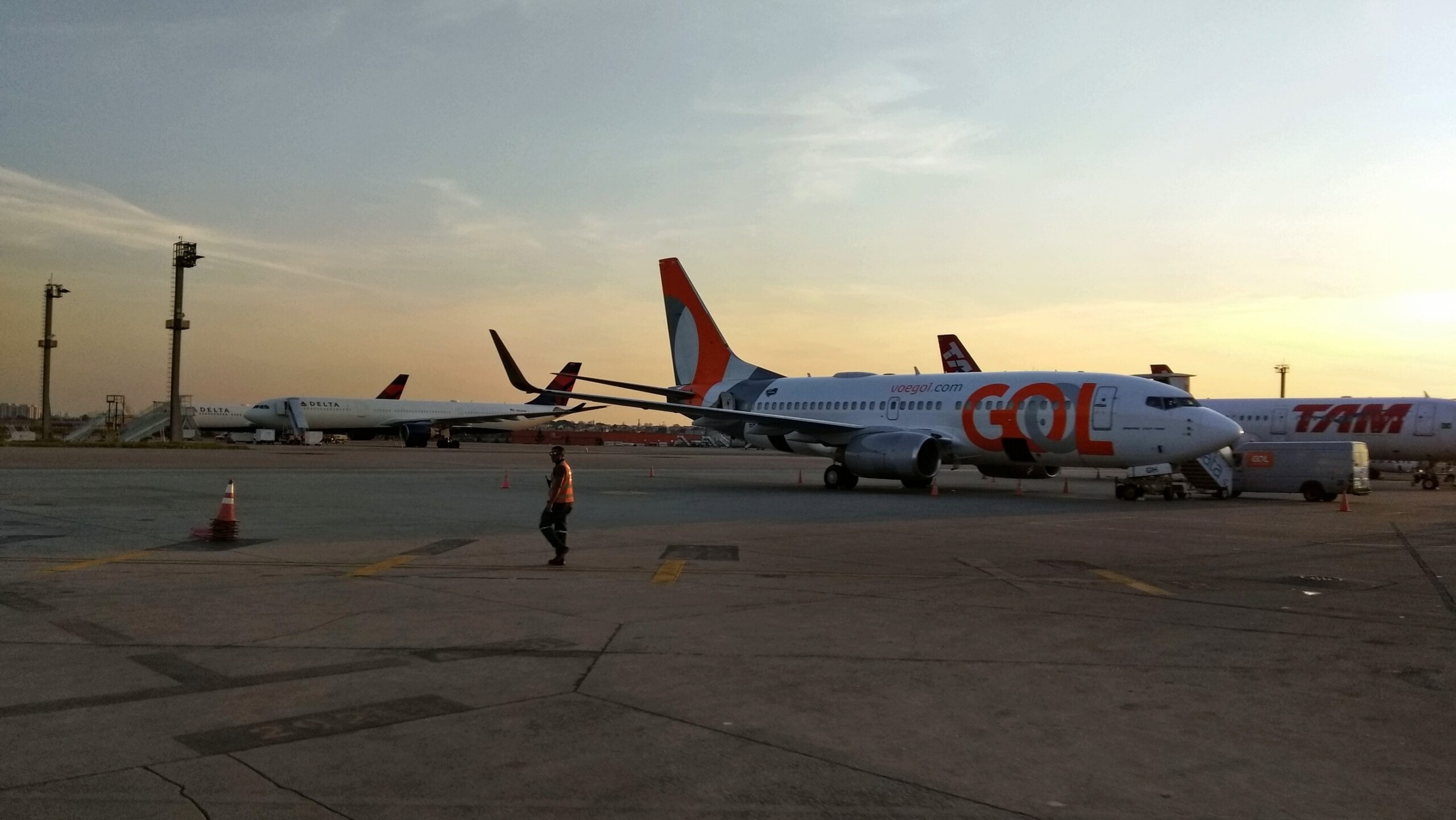
Alaska Airlines and Gol Launch Bilateral Interline and Loyalty Partnership
By Rania · 7 hours ago