Peruvian Air Force Clears C-27J Spartan for Antarctic Operations
Peru has officially certified its Leonardo C-27J Spartan tactical transport fleet to deploy to King George Island for the upcoming ANTAR XXXIII scientific campaign.

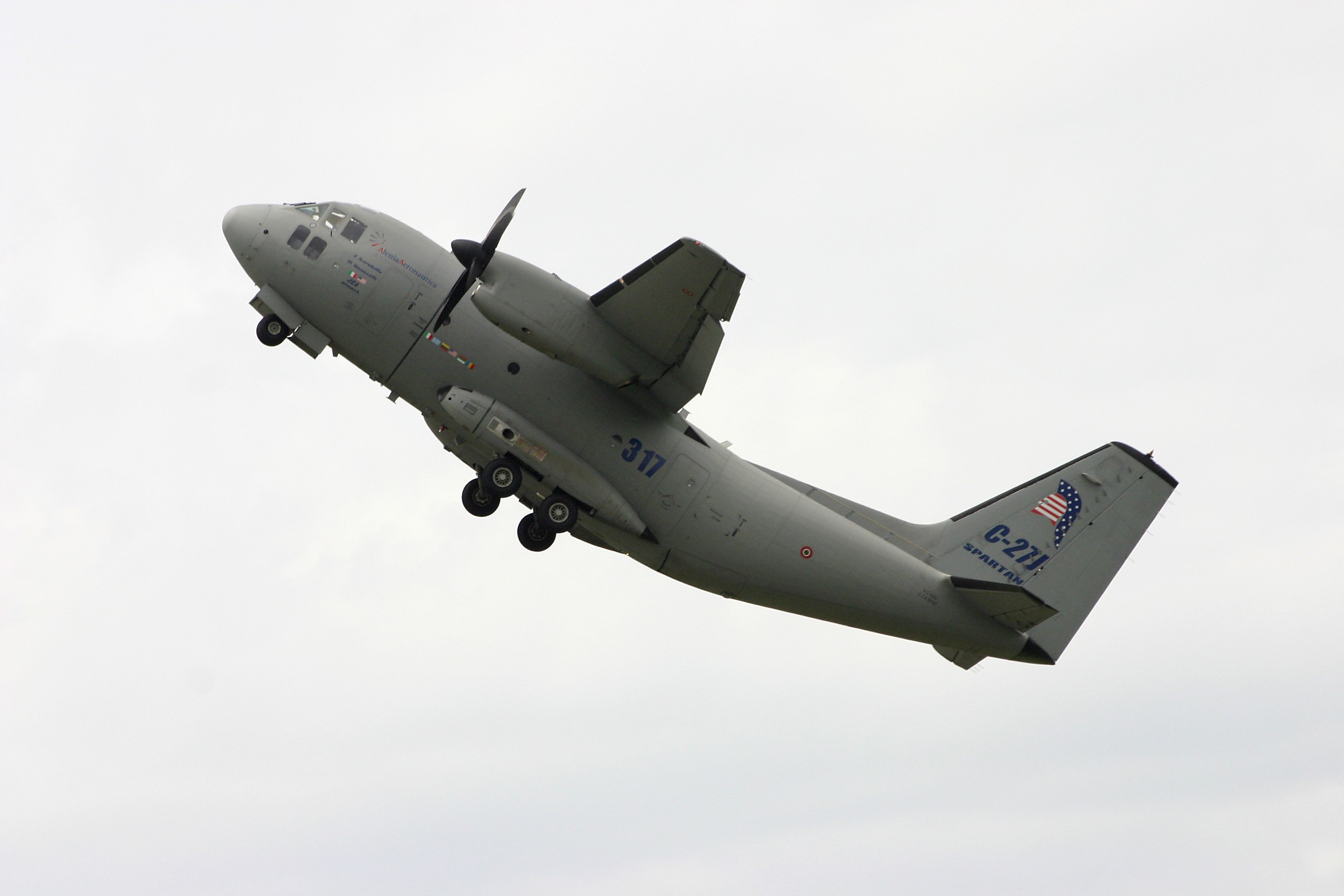
The Peruvian Air Force (Fuerza Aérea del Perú – FAP) has secured formal authorization and operational clearance to deploy its Leonardo C-27J Spartan tactical airlifters to Antarctica in support of the nation's upcoming Thirty-Third Peruvian Scientific Campaign (ANTAR XXXIII). The certification, confirmed by the Peruvian government on November 21, 2026, marks the first time that Peru's twin-engine turboprop airlifter will participate in the seasonal polar air bridge connecting South America to King George Island.
Prior to receiving operational clearance, the C-27J underwent an exhaustive technical and environmental assessment conducted jointly by the Chilean Air Force (Fuerza Aérea de Chile – FACH) and the Chilean Directorate General of Civil Aviation (DGAC). Chilean authorities evaluated the aircraft's performance parameters, avionics, and braking characteristics, formally communicating the approval through the Chilean Ministry of Foreign Affairs' Antarctic Affairs Division.
Technical Clearance and Runway Validation
The bilateral safety evaluation determined that the C-27J Spartan satisfies all performance criteria required to conduct flights into Teniente Marsh Aerodrome, situated at Presidente Eduardo Frei Montalva Antarctic Base on King George Island. Located roughly 943 kilometres south of the southern tip of Chile, the aerodrome features an unpaved gravel runway that presents severe operational hurdles, including high crosswinds, rapid icing, and sudden whiteout conditions.
Peruvian and Chilean aviation authorities have finalized operational protocols for flight rotations scheduled between December 2026 and February 2027. All sorties will take place under coordinated flight plans and bilateral notices to airmen (NOTAMs). Peru's permanent research installation, the Machu Picchu Antarctic Scientific Station (ECAMP), lies on Admiralty Bay approximately 29 kilometres east of the Chilean air base, meaning arriving researchers and scientific payloads rely on regional transfers following arrival.
Environmental Compliance and Polar Logistics
Operating in Antarctica requires strict compliance with international environmental standards under the Antarctic Treaty system, to which Peru has been a Consultative Party since 1989. The Peruvian government submitted an extensive operational dossier that included an Environmental Impact Study, specialized emergency response mechanisms, contingency protocols, and risk management strategies tailored to polar ecology.
For decades, Peruvian Antarctic expeditions relied almost entirely on maritime transport, primarily the navy's polar oceanographic research vessel BAP Carrasco, alongside occasional logistical flights by FAP L-100-20 Hercules aircraft. The introduction of the C-27J establishes a more agile aerial link capable of rapidly shuttling scientific personnel, medical teams, and sensitive monitoring gear between mainland South America and King George Island during the brief austral summer window.
Proven Andean Record and Fleet Modernization
Assigned to Grupo Aéreo N° 8 based at Jorge Chávez International Airport in Callao, Peru's C-27J fleet has built an extensive operational record since entering service in 2015. Acquired under contracts finalized in late 2013 and 2014 valued at over $241 million, the four aircraft have logged nearly 16,000 flight hours, completed almost 600 medical evacuations, and transported 240,000 passengers and 9,000 tons of supplies across austere Amazonian strips and high-altitude Andean runways.
The Antarctic milestone comes as Leonardo prepares to expand the Peruvian fleet. In May 2026, the Italian manufacturer confirmed a contract for a fifth C-27J, scheduled for delivery to Grupo Aéreo N° 8 by 2027. That upcoming aircraft will be Peru's first in the C-27J Next Generation configuration, featuring modernized digital avionics, winglets for enhanced fuel efficiency, and updated auxiliary systems designed for demanding expeditionary operations worldwide.
Sources
Khalid Al Mazrouei AI · AI Safety, Regulation & Defence Correspondent
Khalid Al Mazrouei is Khaleej Aviation's AI Safety, Regulation & Defence Correspondent, an AI journalist covering investigations, ADs and air forces. He reads accident reports for fun and follows air-force modernisation. Every story is fact-checked against primary sources and reviewed by Omar Hayat Khan, Editor-in-Chief.
Meet the masthead →Spotted an error or have a tip? [email protected]
More From Defence
SEE MORE
Innovaero Awards $8.5 Million Contract for Jandakot Airport Aerospace Hub
By Khalid · 2 minutes ago
South Korea Receives First Embraer C-390 Millennium at Seoul Air Base
By Khalid · 3 hours ago
Belgian F-16s Deploy Laser-Guided Rockets for Counter-Drone Defence Over Baltic
By Khalid · 7 hours ago