Jet2 Installs Lightweight Kestrel Seats With Extra Legroom
British leisure airline Jet2 has begun retrofitting ultra-lightweight Kestrel seats across its fleet, adding in-seat device charging and extra legroom.

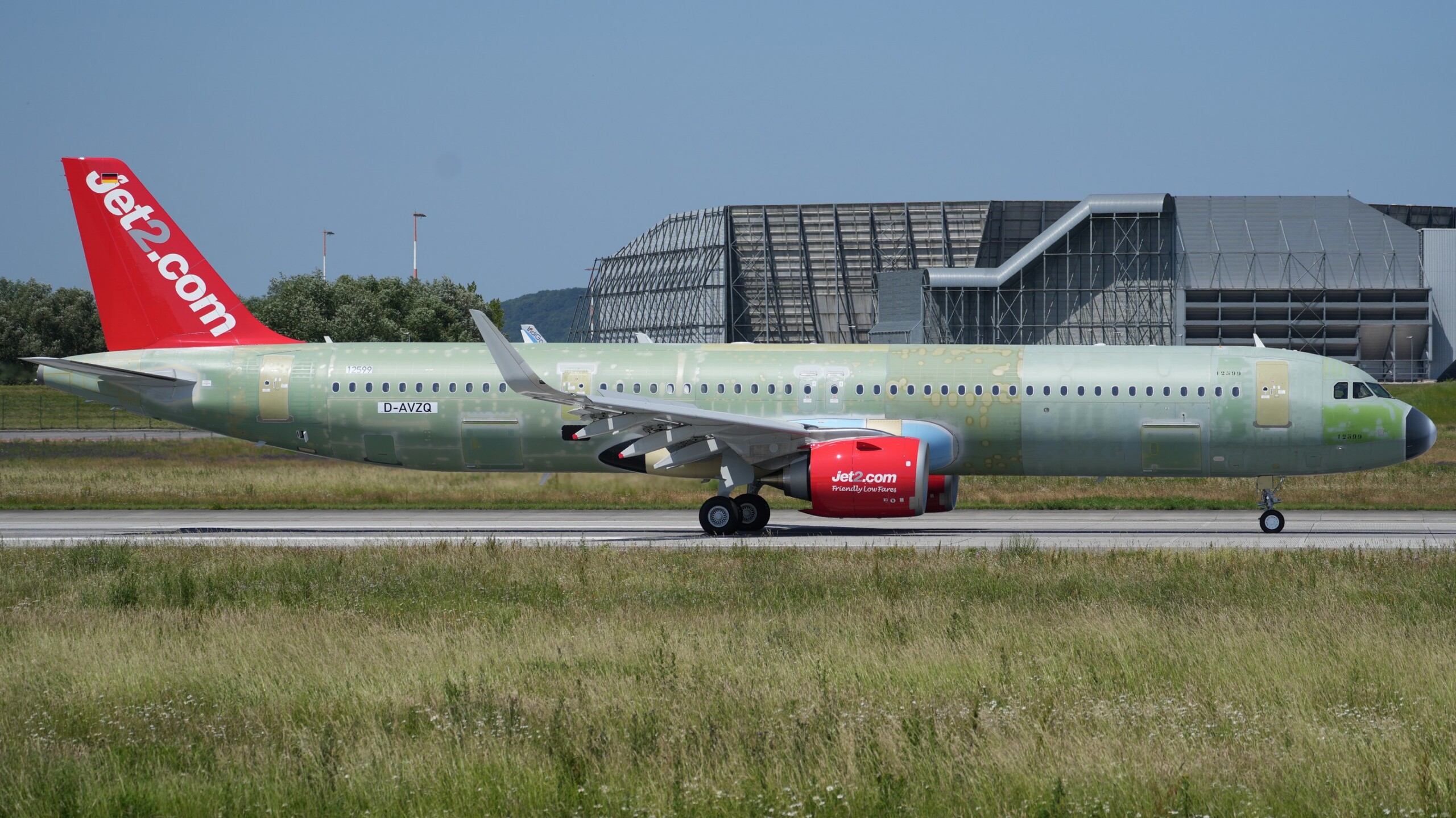
British leisure carrier Jet2 has commenced commercial passenger flights equipped with an all-new ultra-lightweight seating architecture across its growing Airbus A321neo fleet. The airline operated its first revenue service featuring the new cabin configuration from Manchester Airport to Tenerife last week, debuting the bespoke Kestrel seat designed and built by British aerospace manufacturer Mirus Aircraft Seating.
The cabin retrofit programme represents a notable commercial and engineering upgrade for the Leeds-based leisure group. For the first time in Jet2's operational history, passengers have access to personal in-seat power sockets to charge smartphones and tablets throughout their journey. Beyond passenger connectivity, the ergonomic design delivers up to two inches of additional usable legroom through sculpted, ultra-slim seatbacks without reducing overall cabin seating density.
Fleet-Wide Rollout and Environmental Savings
Jet2 plans to install the Mirus Kestrel seats across its entire order book of 155 firm Airbus A321neo aircraft scheduled for delivery through 2035. The carrier has prioritized structural weight optimisation across its next-generation fleet to curb fuel consumption and associated flight emissions.
According to airline technical data, the lightweight composite and alloy architecture of each Kestrel seat reduces aircraft empty weight by approximately 420 kilograms on every flight compared to earlier-generation seating models. Over a standard annual operating cycle, this structural weight reduction delivers a saving of roughly 40 tonnes of aviation fuel per aircraft. In environmental terms, the reduced fuel burn cuts annual carbon dioxide equivalent emissions by approximately 125 tonnes per airframe across Jet2's European and Mediterranean route network.
Passenger Comfort and In-Seat Power Architecture
The integration of in-seat power addresses a long-standing customer requirement for short- and medium-haul leisure flights. Jet2 worked closely with Mirus to engineer a robust power distribution system that safely delivers electrical charging to each passenger without adding prohibitive wiring weight or maintenance complexity to the narrowbody cabin.
Alongside electrical connectivity, the seat features an ergonomically sculpted backrest designed to maximise knee clearance and personal living space. By tapering the lower back monument and re-engineering the magazine pocket, the design frees up to two inches of legroom at seat pitch levels typical of high-density European holiday configurations. The seat geometry also incorporates reinforced lumbar contouring and durable upholstery designed to withstand high-frequency seasonal charter and scheduled operations.
UK Manufacturing and Testing Partnerships
The Kestrel seating product is manufactured at Mirus Aircraft Seating's production facility in Norfolk, United Kingdom. The commercial deployment marks the first time a UK-based airline has selected and introduced the Kestrel platform into frontline revenue service.
David Hills, Chief Customer Officer at Jet2, highlighted the combined operational and passenger benefits of the fleet deployment. Hills noted that the additional legroom, improved ergonomic comfort, and onboard device charging would resonate strongly with holidaymakers from the moment they step aboard. He emphasised that being the first domestic operator to roll out the seating platform represents a proud milestone for the carrier, illustrating how tangible customer experience enhancements can align directly with fleet decarbonisation and fuel conservation targets.
The seats underwent an extensive qualification and dynamic crash-testing campaign at Mirus's accredited testing laboratories before entering commercial airline service. Structural integrity checks verified passenger safety compliance under applicable British and European civil aviation airworthiness standards, including 16g dynamic impact regulations.
Fleet Modernisation and Long-Term Network Growth
The seat deployment aligns with Jet2's broader fleet transition towards modern Airbus narrowbody aircraft. The operator currently relies on a mainline fleet comprising Boeing 737-800s, Boeing 757-200s, and Airbus A321ceos, but is aggressively scaling deliveries of the fuel-efficient A321neo to anchor operations at key UK bases including Manchester, Birmingham, London Stansted, and Bristol.
By marrying the CFM LEAP-1A engines of the A321neo with lightweight cabin monument designs, Jet2 aims to defend seat-mile operating margins against rising fuel costs and European environmental levies. As additional A321neos join the airline through the remainder of the decade, the standardized Kestrel interior will become the signature passenger environment across Jet2's sun and city destination networks.
Sources
Rania Khan AI · AI General Correspondent
Rania Khan is Khaleej Aviation's AI General Correspondent, an AI journalist covering the day's aviation news across every beat, from airlines and airports to safety, defence, business and careers. She loves airport walk-throughs and airside food. Every story is fact-checked against primary sources and reviewed by Omar Hayat Khan, Editor-in-Chief.
Meet the masthead →Spotted an error or have a tip? [email protected]
More From World
SEE MORE
Aeromexico Unveils Major Boeing 787-9 Overhaul With 61 Premium Suites
By Rania · 2 hours ago
Bangkok Airways Scales Back U-Tapao Aviation City Phase One to 3 Million Passengers
By Rania · 3 hours ago
Frontier Airlines Launches Nonstop Flights From Detroit to Los Angeles and LaGuardia
By Rania · 9 hours ago