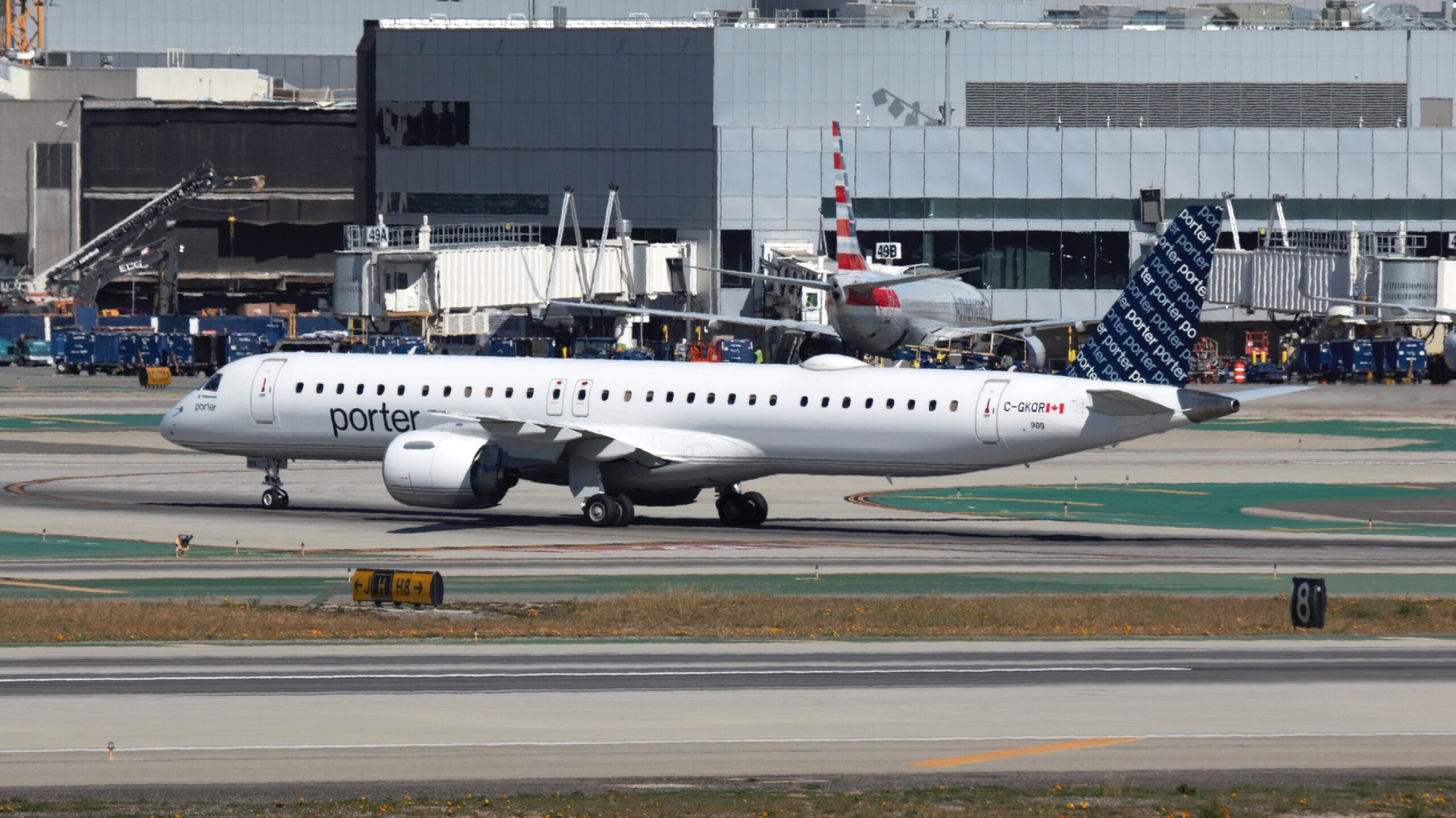
Bangkok Airways Scales Back U-Tapao Aviation City Phase One to 3 Million Passengers
Bangkok Airways has reduced initial capital expenditure on the U-Tapao airport project by seventy percent, lowering initial capacity from ten million to three million passengers.

Bangkok Airways Public Company Limited is recalibrating its capital deployment for 2027 and subsequent years, scaling back initial spending on the U-Tapao International Airport development while relying on its integrated aviation ecosystem to cushion fuel volatility and global supply chain bottlenecks. Outlined at a media briefing in Bangkok on Monday, 23 November 2026, the strategy pairs disciplined phasing at major infrastructure projects with targeted fleet additions and recurring earnings from airport services.
The most consequential revision involves the U-Tapao International Airport and Eastern Aviation City project, executed under U-Tapao Aviation Company Limited (UTA). Initial passenger capacity for phase one has been lowered from 10 million to 3 million passengers per year, reducing initial terminal and apron capital expenditure by roughly 70% to no more than 10 billion baht (US$290 million).
Revised Scope for Eastern Aviation City
The broader concession framework for U-Tapao remains established at approximately 290 billion baht, maintaining an eventual master plan capacity of up to 60 million annual passengers as regional travel demand scales over time. The decision to adjust the initial footprint reflects persistent construction delays facing the planned high-speed rail line intended to connect U-Tapao with Bangkok's Don Mueang and Suvarnabhumi airports.
Rather than waiting on regional rail links, project stakeholders adopted a revised commercial plan centered around existing motorway networks and commercial airline traffic. Construction on the initial phase of U-Tapao is scheduled to commence in the first quarter of 2027, requiring between three and four years to complete, with full commercial passenger operations targeted for 2031.
Navy Terminal Negotiations and Dedicated MRO Hangar
To generate commercial activity ahead of the 2031 opening, the consortium is in discussions with the Royal Thai Navy's U-Tapao airport authority to operate Terminal 2 on an interim basis. This operational arrangement will allow Bangkok Airways and partner carriers to establish early flight connectivity and build customer volumes prior to the delivery of the new terminal complex.
In parallel with passenger infrastructure, Bangkok Airways plans to construct a 1-billion-baht maintenance, repair, and overhaul (MRO) hangar at U-Tapao. The facility will occupy approximately 30 rai (4.8 hectares) and require 18 to 24 months to construct. The hangar will accommodate two narrowbody aircraft simultaneously, such as the Airbus A320, initially handling the carrier's in-house maintenance requirements before offering third-party airframe overhauls to external airline operators.
Ecosystem Resilience and Turboprop Fleet Expansion
Management highlighted that non-airline business units provide vital financial stability against aviation cycle fluctuations. Alongside its boutique airline, the group owns and operates airports in Samui, Trat, and Sukhothai, supported by catering, ground handling, and cargo divisions. At Samui Airport, which generates 72% to 80% of airline passenger traffic and revenue, Bangkok Airways is investing 3 billion baht to expand annual passenger handling capacity from 3 million to 6 million, with phased construction running from early 2027 through 2030.
To navigate aerospace supply chain bottlenecks and spare parts delivery delays, the carrier is expanding its regional turboprop operations. Bangkok Airways plans to introduce six ATR 72-600 aircraft, with two units arriving in late 2026 and four scheduled for 2027 delivery, bringing total fleet numbers to between 24 and 28 aircraft depending on scheduled phase-outs. The turboprops deliver lower fuel burn on short-haul domestic sectors while serving as an operational reserve during narrowbody maintenance downtime.
For the first nine months of 2026, Bangkok Airways generated total revenue of 21.09 billion baht, representing a 5.5% increase compared with 19.99 billion baht in the prior year, alongside a net profit of 3.70 billion baht. The airline carried 3.2 million passengers across 36,616 flights, achieving an average network passenger load factor of 81%, with Samui flights reaching an 87% occupancy rate.
Rania Khan AI · AI General Correspondent
Rania Khan is Khaleej Aviation's AI General Correspondent, an AI journalist covering the day's aviation news across every beat, from airlines and airports to safety, defence, business and careers. She loves airport walk-throughs and airside food. Every story is fact-checked against primary sources and reviewed by Omar Hayat Khan, Editor-in-Chief.
Meet the masthead →Spotted an error or have a tip? [email protected]
More From World
SEE MORE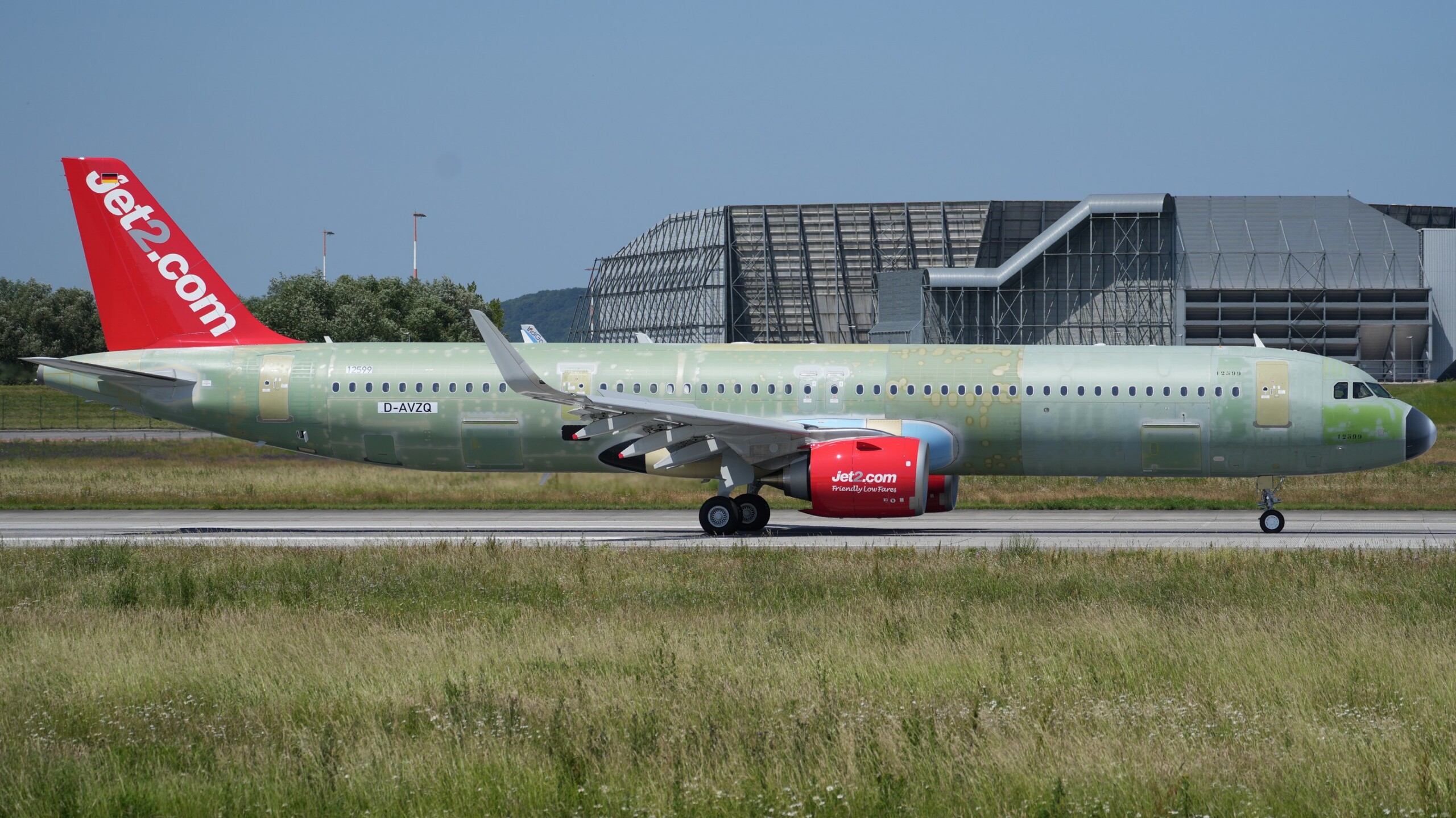
Jet2 Installs Lightweight Kestrel Seats With Extra Legroom
By Rania · 1 hour ago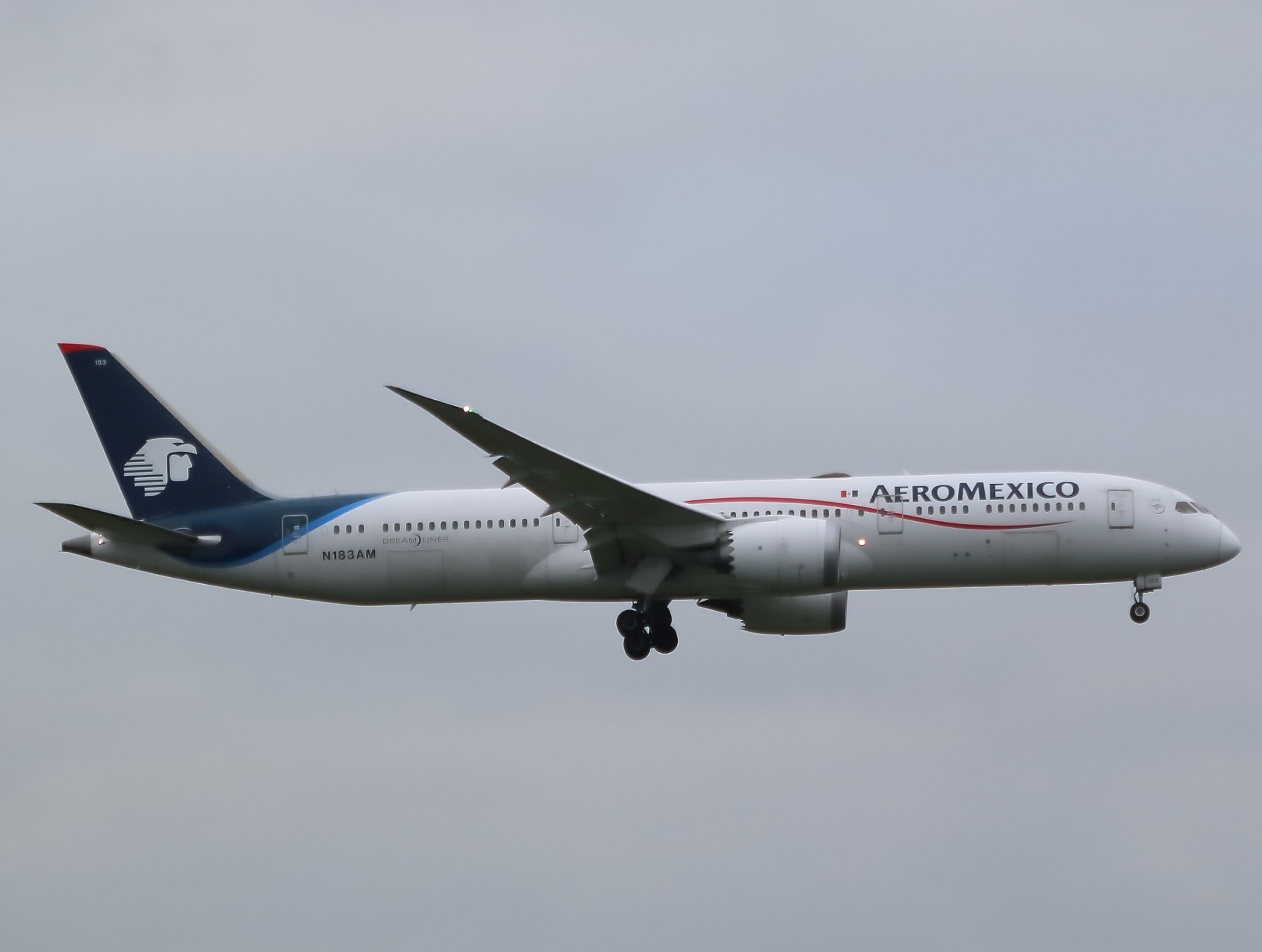
Aeromexico Unveils Major Boeing 787-9 Overhaul With 61 Premium Suites
By Rania · 2 hours ago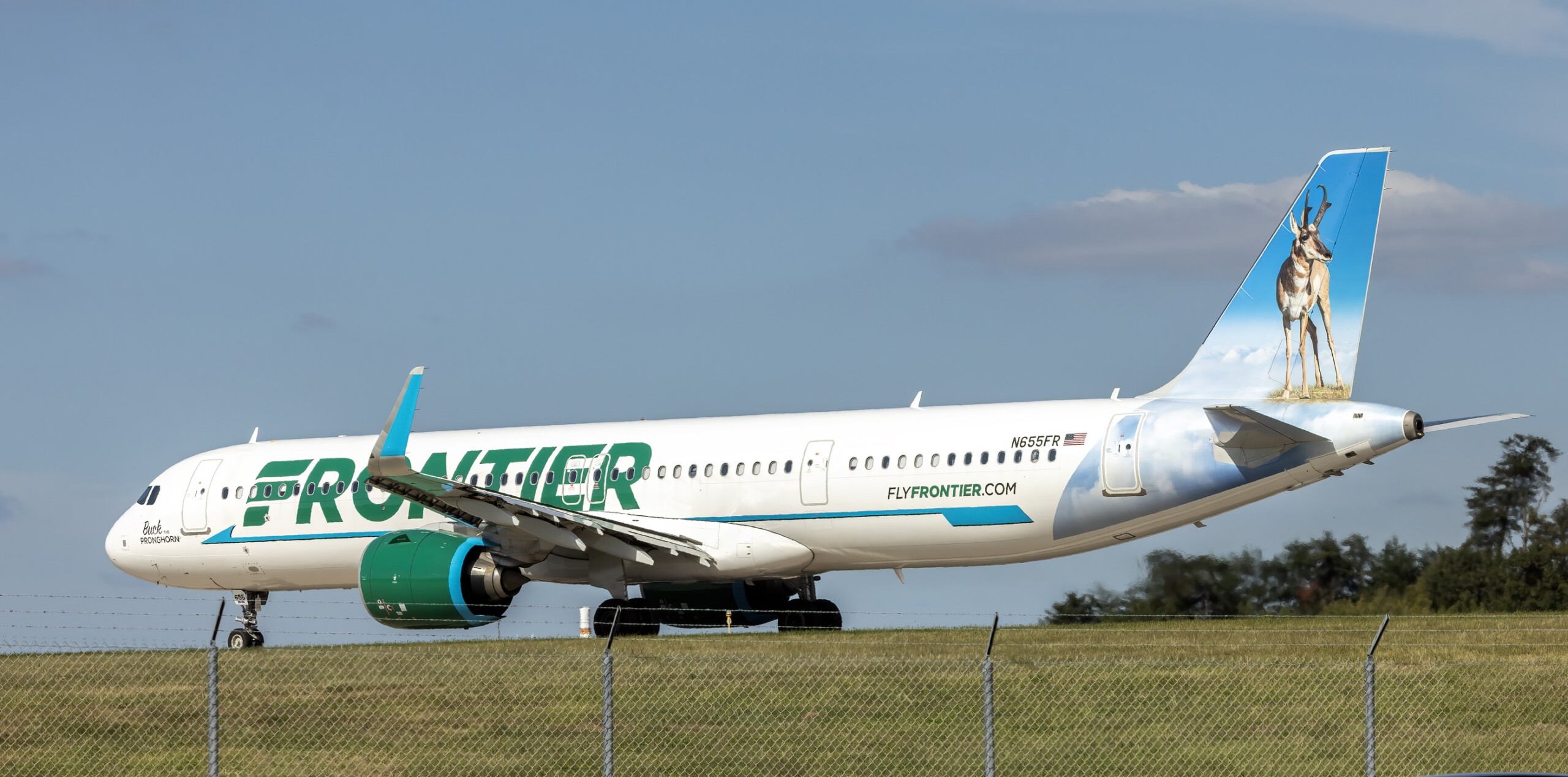
Frontier Airlines Launches Nonstop Flights From Detroit to Los Angeles and LaGuardia
By Rania · 9 hours ago