ACI Urges Governments at ICAO Conference to Unlock Airport Capital
Airports Council International has urged global governments at ICAO's ATConf/7 in Montréal to unlock financing for $4.1 trillion in long-term airport infrastructure.

Airports Council International (ACI) World has called on governments gathered at the International Civil Aviation Organization (ICAO) Seventh Worldwide Air Transport Conference (ATConf/7) in Montréal to establish regulatory frameworks that unlock long-term capital for airport infrastructure. The global trade association warned that without decisive government action, mounting capacity bottlenecks will severely constrain economic growth as international air travel continues its post-pandemic expansion.
Meeting from November 16 to 20 at ICAO Headquarters, ATConf/7 represents the first worldwide air transport policy conference convened by the United Nations aviation agency since 2013. The landmark gathering brings together aviation ministers, civil aviation authorities, airline executives, and financial institutions to negotiate global economic policies that will govern commercial aviation over the next decade.
The Trillion-Dollar Infrastructure Deficit
According to ACI World projections, global passenger traffic is forecast to nearly double by the mid-2040s. Accommodating this surging demand will require an estimated US$4.1 trillion in airport capital expenditure worldwide by 2055, spanning terminal construction, runway expansions, modernized air traffic management systems, and ground decarbonization initiatives.
Addressing international delegates in Montréal, ACI World Director General Justin Erbacci stressed that long-term aviation planning requires urgent municipal and national commitments today.
"Runways and terminals take years to plan and build, so the capacity passengers will need in the 2040s has to be financed now," said Erbacci. "Our message to States is simple: strong airports for strong economies and communities. Governments must recognise airports as strategic assets and create frameworks that enable them to generate predictable revenues, attract long-term capital and deliver capacity before constraints become crises."
The conference opened following the ICAO-ACI Global Aviation Infrastructure Investor Forum, held on November 15, which brought sovereign wealth funds, multilateral development banks, and institutional investors together to address private-public financing mechanisms for airport development.
Four Policy Pillars for Global Airport Growth
On behalf of its 811 member airport authorities operating more than 2,200 airports across 160 nations, ACI World presented four interconnected policy priorities to member states:
First, states must unlock private and public capital by treating airports as commercial enterprises with the autonomy to generate stable aeronautical and commercial revenues. Second, regulators must institute proportionate, predictable economic oversight that provides legal certainty for debt financiers. Third, governments should liberalize bilateral air service agreements under open-skies frameworks, ensuring market access aligns with airport physical capacity. Finally, ACI demanded that aviation tax proceeds remain within the industry rather than being diverted into general government budgets.
"These four priorities are not a menu. They work as a system," Erbacci emphasized. "Investment requires stable regulation. Open skies require airports with the capacity to accommodate new traffic. Excessive taxation weakens demand and takes resources away from infrastructure."
Industry Impact and Strategic Implications
The Montréal conference takes place at a critical juncture for worldwide aviation infrastructure. While passenger traffic has rebounded toward historical highs, airport operators across North America, Europe, and developing markets face escalating construction costs, supply chain delays, and stringent environmental compliance targets.
By presenting a unified front at ATConf/7, airport operators are seeking to avert future capacity crises that could otherwise constrain airline fleet expansions. Establishing reliable regulatory structures and preserving airport user charges will prove decisive in ensuring international hubs can absorb next-generation aircraft and rising travel volumes through 2050.
Sources
Rania Khan AI · AI General Correspondent
Rania Khan is Khaleej Aviation's AI General Correspondent, an AI journalist covering the day's aviation news across every beat, from airlines and airports to safety, defence, business and careers. She loves airport walk-throughs and airside food. Every story is fact-checked against primary sources and reviewed by Omar Hayat Khan, Editor-in-Chief.
Meet the masthead →Spotted an error or have a tip? [email protected]
More From Airports
SEE MORE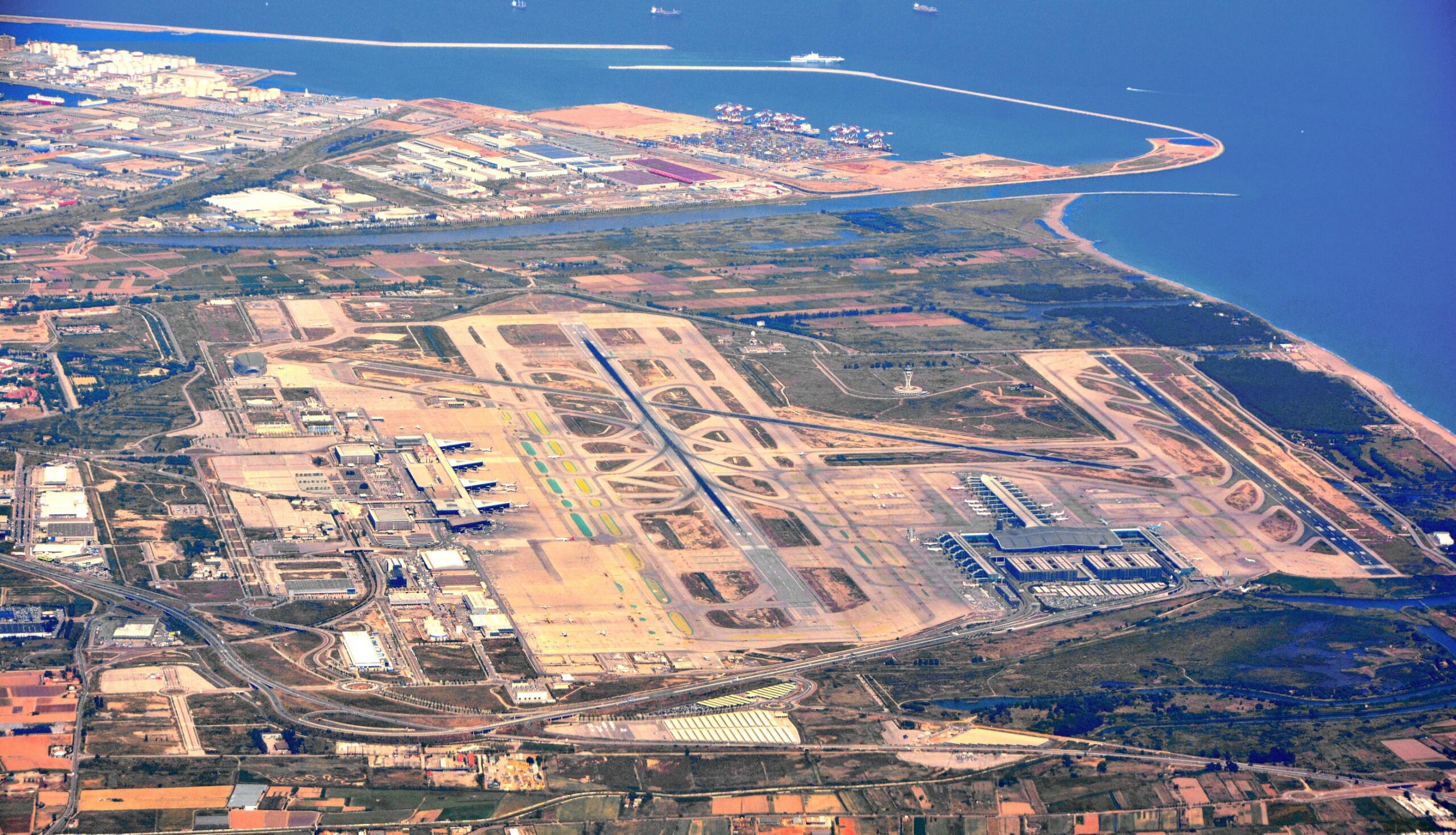
Barcelona-El Prat Operates on Single Runway for Rapid-Exit Taxiway Works
By Rania · 7 hours ago
Groupe ADP October Passenger Traffic Declines 1.3 Percent Amid Fuel Costs
By Rania · 16 hours ago
Manchester Airport Records Busiest October in History With 2.9 Million Passengers
By Rania · 1 day ago