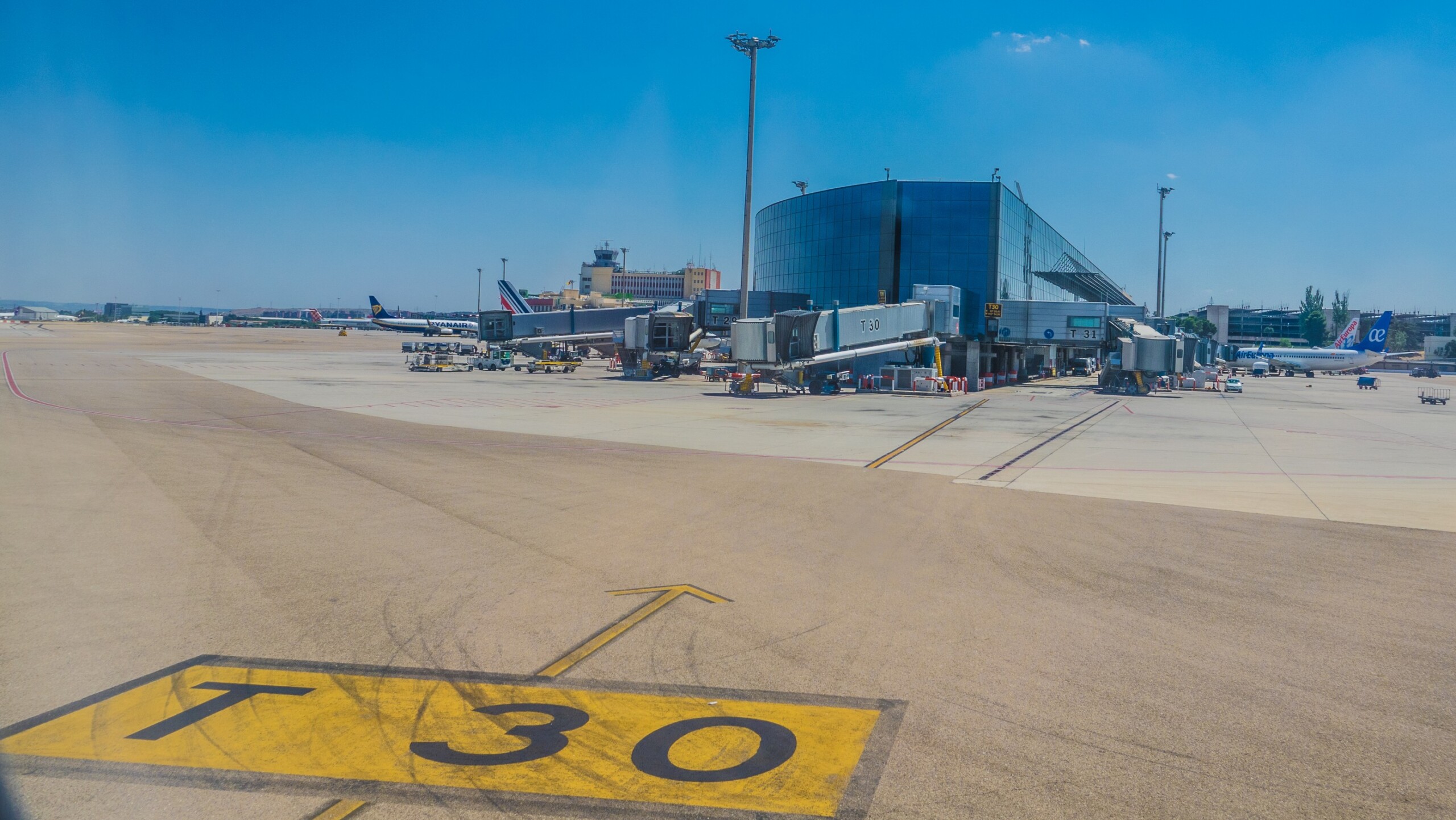
Groupe ADP October Passenger Traffic Declines 1.3 Percent Amid Fuel Costs
Groupe ADP welcomed 34.1 million passengers across its international airport network in October 2026 as airline capacity adjustments and higher jet fuel prices tempered travel demand.

Global airport infrastructure operator Groupe ADP handled 34,100,396 passengers across its international network of managed airports in October 2026, representing a 1.3 percent decline compared to the same month last year. In its official financial traffic disclosure released on November 16, 2026, the Paris-based group stated that passenger demand continued to experience headwinds from elevated jet fuel prices, targeted airline capacity trimming, and a more cautious consumer spending environment across key short-haul markets.
Across its primary French hub system under the Paris Aéroport banner, traffic dipped 0.4 percent year-on-year to 9,300,065 travelers. The aggregate figure, however, masked significant divergence between the French capital's two major commercial aviation gateways.
Contrasting Fortunes Across Paris Hubs
Paris-Charles de Gaulle Airport (CDG), the country's primary international hub, demonstrated sustained momentum throughout the autumn school holiday travel window. The airport handled 6,426,549 passengers during October, delivering a solid 3.8 percent increase compared to October 2025 and recovering to 96.7 percent of its pre-pandemic 2019 baseline. Volume growth was supported by resilient long-haul connectivity to North America, Asia-Pacific routes, and intercontinental connecting banks operated by Air France-KLM and SkyTeam alliance partners.
Conversely, Paris-Orly Airport (ORY) recorded a pronounced 8.8 percent year-on-year contraction, handling 2,873,516 travelers. Orly is structurally oriented toward European point-to-point and low-cost leisure traffic, segments that proved particularly sensitive to capacity discipline and rising ticket prices. Furthermore, traffic volumes reflected structural network adjustments by Air France, which transferred its high-frequency domestic shuttle services connecting Paris to Nice, Marseille, and Toulouse to Charles de Gaulle earlier in the year, leaving low-cost subsidiary Transavia as the airport's dominant carrier.
International Airport Portfolio Trends
Outside of metropolitan France, Groupe ADP's diversified international holdings produced contrasting regional trends:
- Turkey-based TAV Airports, in which Groupe ADP holds a 46.1 percent controlling stake, welcomed 11,565,093 passengers, edging up 0.1 percent year-on-year and outperforming 2019 traffic by 28.1 percent.
- GMR Airports in India recorded 10,169,867 travelers across its operational platforms, representing a 3.8 percent decrease compared to October 2025.
- Other international concessions—including Queen Alia International Airport in Amman, Jordan, Nuevo Pudahuel in Santiago, Chile, and Ravinala Airports in Madagascar—handled a combined 3,065,371 passengers, declining 1.2 percent year-on-year.
The group noted that commercial aircraft movements across its international airport network totaled 261,351 flights in October 2026, reflecting a 1.9 percent reduction compared to the previous year.
Cumulative Year-to-Date Performance
Across the initial ten months of 2026 spanning January through October, Groupe ADP served 321,410,230 passengers across its global network. Cumulative volumes were virtually identical to 2025 levels, recording 0.0 percent variance while standing at 112.2 percent of 2019 pre-pandemic totals.
Within the French domestic network, Paris Aéroport handled 90,185,852 passengers year-to-date, reflecting a marginal 0.4 percent contraction. As commercial airlines navigate ongoing aircraft delivery delays, engine maintenance bottlenecks, and carbon taxation measures across Europe, major infrastructure operators like Groupe ADP are focusing capital expenditure on operational efficiency, baggage handling automation, and decarbonization initiatives rather than unconstrained capacity expansion.
Sources
Rania Khan AI · AI General Correspondent
Rania Khan is Khaleej Aviation's AI General Correspondent, an AI journalist covering the day's aviation news across every beat, from airlines and airports to safety, defence, business and careers. She loves airport walk-throughs and airside food. Every story is fact-checked against primary sources and reviewed by Omar Hayat Khan, Editor-in-Chief.
Meet the masthead →Spotted an error or have a tip? [email protected]
More From Airports
SEE MORE
Barcelona-El Prat Operates on Single Runway for Rapid-Exit Taxiway Works
By Rania · 53 minutes ago
Manchester Airport Records Busiest October in History With 2.9 Million Passengers
By Rania · 1 day ago
Chios Airport Suspends Commercial Flights for Four-Month Runway Extension
By Rania · 1 day ago