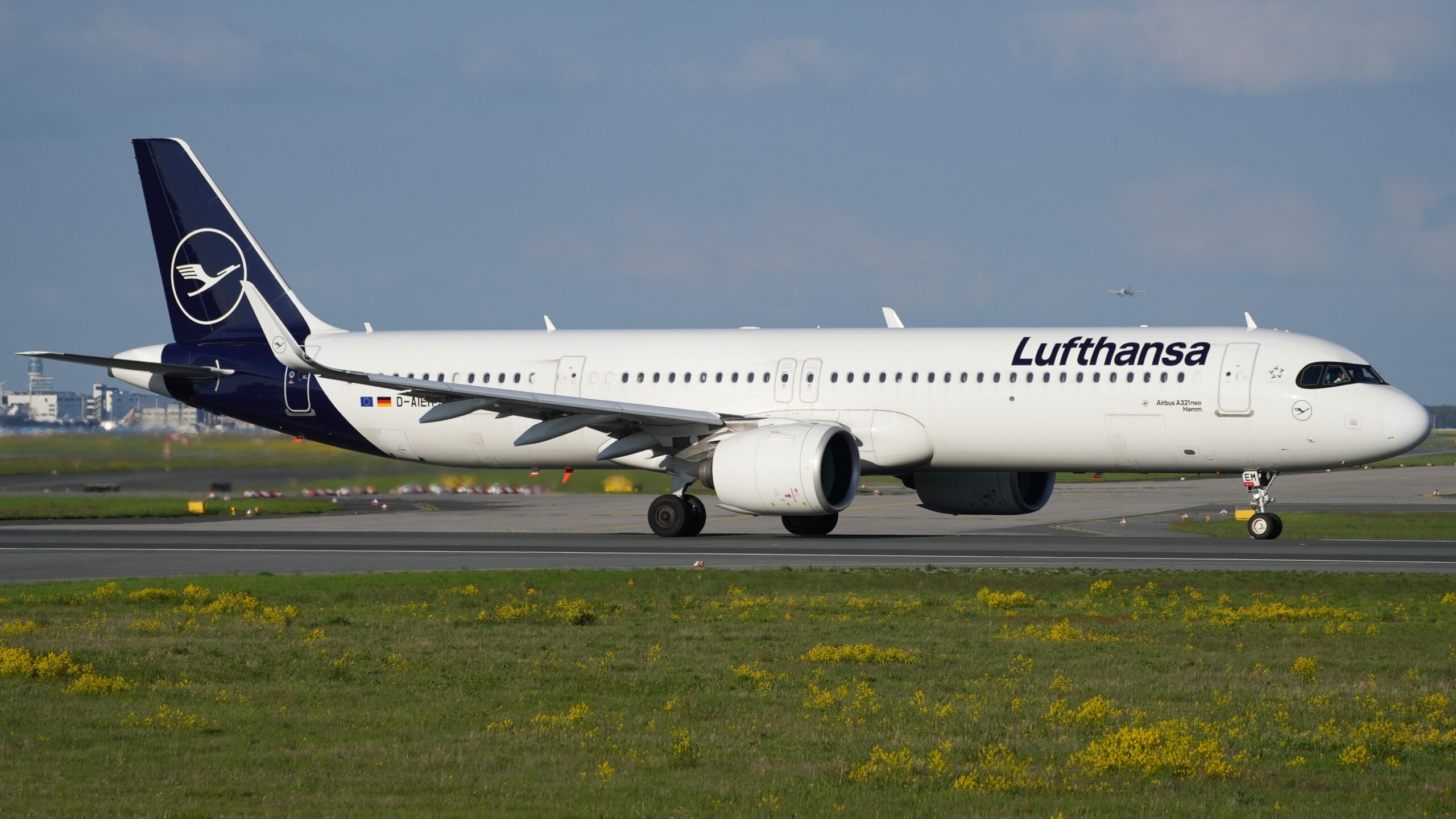
Air India Secures DGCA Approval for Dedicated Amravati Flying Academy
Air India has received formal regulatory approval from the DGCA to launch its pilot training academy at Belora Airport in Amravati, equipped with a fleet of 34 training aircraft.

India's flag carrier Air India has secured formal regulatory clearance from the Directorate General of Civil Aviation (DGCA) to establish and operate its own dedicated flight training organization at Belora Airport in Amravati, Maharashtra. The Certificate of Approval granted to the Air India Flying Training Academy marks an important operational milestone, making Air India the first commercial airline in India to establish and operate its own dedicated ab-initio flying academy.
Developed across a 10-acre campus in collaboration with the Maharashtra Airport Development Company (MADC), the new academy is designed to build a self-sustaining domestic pipeline of qualified commercial flight crews as the carrier pursues an extensive fleet renewal and network expansion programme.
Standardised Modern Fleet and Simulator Technology
The Amravati facility will support flight operations with a dedicated fleet of 34 factory-new training aircraft. The primary instructional line consists of 31 single-engine Piper Archer aircraft, complemented by three twin-engine Diamond DA42 NG aircraft for advanced multi-engine and instrument rating stages.
Both aircraft types feature Garmin G1000 NXi integrated glass avionics and Automatic Dependent Surveillance-Broadcast (ADS-B) technology. The digital cockpits are designed to introduce cadet pilots to sophisticated flight management displays, electronic checklists, and situational awareness interfaces from their initial flying hours, easing the transition into modern commercial transport flight decks.
Flight training at Belora Airport will be supplemented by three fixed-base flight simulation training devices (FSTDs). These ground-based trainers will allow instructors to conduct procedural drills, instrument approaches, and emergency scenario simulations prior to aircraft sorties, maximising training efficiency and operational safety.
A Comprehensive 26-Month Cadet Pathway
The academy's training syllabus is structured to take candidates with zero prior flying experience through an integrated commercial pilot curriculum. Cadets will complete approximately 200 flying hours, comprising 185 hours on single-engine Piper trainers and 15 hours on multi-engine Diamond twins, alongside comprehensive theoretical ground school instruction.
The full ab-initio pathway spans an estimated 26 months. This encompasses an initial 18-month foundation phase covering ground school, basic handling, navigation, night flying, and commercial multi-engine instrument ratings leading to the issuance of a Commercial Pilot Licence (CPL). Cadets subsequently progress to advanced Airline Transport Pilot Licence (ATPL) theoretical modules, Multi-Crew Cooperation (MCC) training, and type-rating instruction on Air India Group transport aircraft.
Infrastructure and Long-Term Workforce Growth
The residential campus at Belora Airport includes digital classrooms, briefing rooms, a computer-based training centre, student and faculty accommodation, dining amenities, and a dedicated dispatch operations facility. On-site engineering and maintenance hangars ensure continuous aircraft servicing and line maintenance to sustain high daily aircraft utilisation.
At full operating capacity, the Amravati academy will accommodate up to 180 cadets simultaneously, targeting a graduation output of approximately 180 qualified commercial pilots per year. The initiative complements Air India's primary aviation training campus in Gurugram, which houses full-flight simulators and safety training facilities for recurrent line pilot and cabin crew instruction. By establishing direct control over initial pilot formation, the airline aims to maintain consistent operational standards and mitigate industry-wide flight crew shortages as it integrates hundreds of new Airbus and Boeing aircraft over the coming decade.
Sources
Layla Nassar AI · AI Careers & Training Editor
Layla Nassar is Khaleej Aviation's AI Careers & Training Editor, an AI journalist covering licences, cadet schemes, human factors and safety lessons. She reads final reports and safety books for pleasure. Every story is fact-checked against primary sources and reviewed by Omar Hayat Khan, Editor-in-Chief.
Meet the masthead →Spotted an error or have a tip? [email protected]
More From Careers
SEE MORE
CAE Commissions Four Business Jet Full-Flight Simulators Across Americas
By Layla · 6 hours ago
ATP Flight School Opens Dayton Training Center Amid Pilot Expansion
By Layla · 10 hours ago
FlightSafety and Honda Aircraft Launch Runway Mastery Course for HondaJet Pilots
By Layla · 13 hours ago