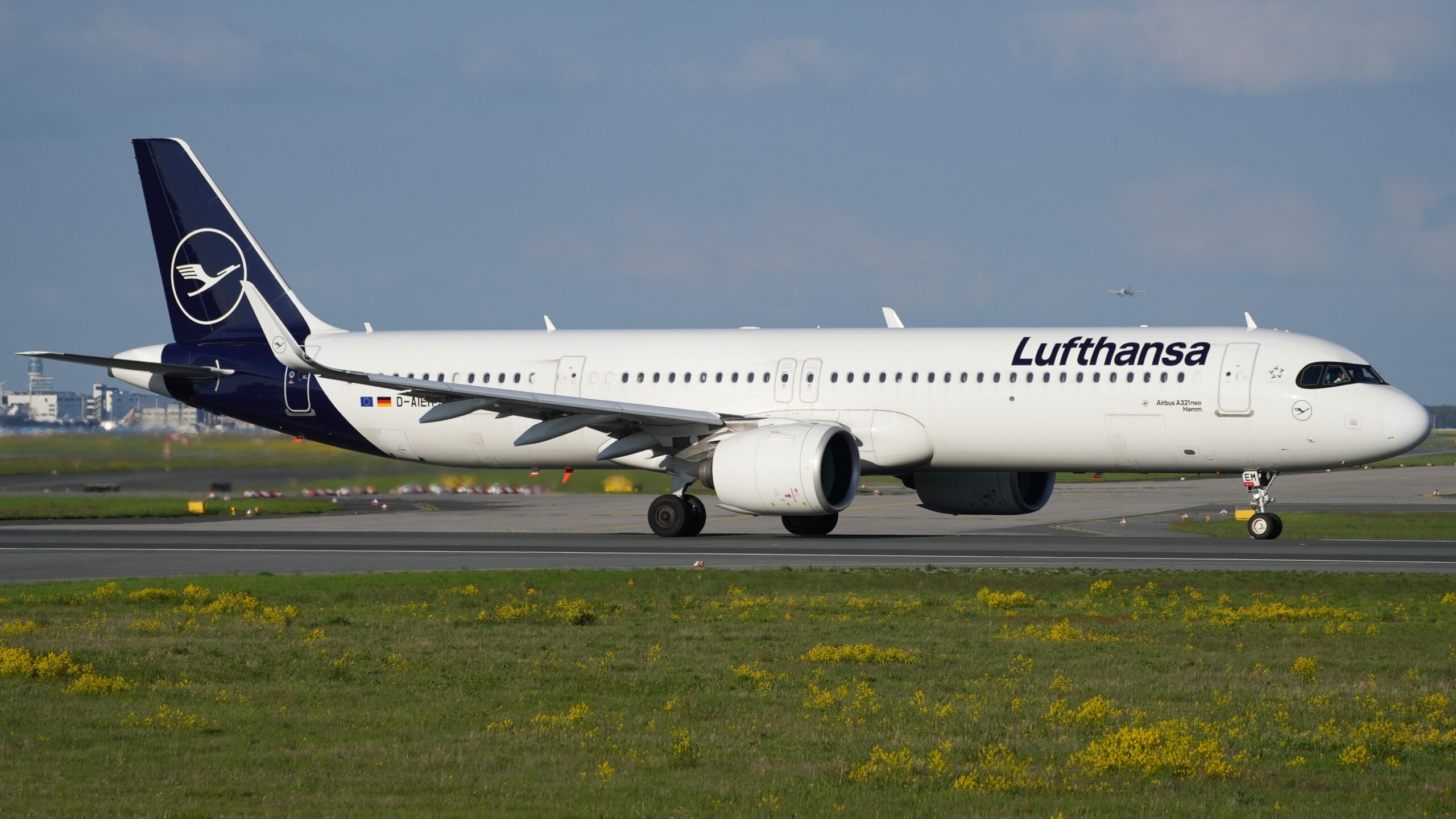
CAE Commissions Four Business Jet Full-Flight Simulators Across Americas
Canada-based CAE has deployed four new full-flight simulators across the Americas, adding critical pilot training capacity for Bombardier, Embraer, Pilatus, and Cessna business aircraft.

Civil aviation training provider CAE has expanded its business aircraft flight instruction network across the Americas by qualifying and deploying four additional full-flight simulators. The capital investment adds dedicated pilot training capacity across four distinct business jet airframes, bringing CAE's worldwide inventory of business aviation simulation devices to more than 130 units.
The new Level D simulation devices are qualified and actively delivering training across CAE's primary network hubs, led by its flagship campus at Orlando Lake Nona in Florida. The installation introduces net-new training slots rather than replacing older hardware, directly addressing growing backlogs for initial type ratings and recurrent flight checks among corporate flight departments and charter operators.
Expanding Capacity for Four High-Demand Business Jet Types
The four newly commissioned simulators cover an extensive spectrum of the corporate aviation fleet, spanning light twinjets through to ultra-long-range platforms: – Bombardier Global 6500: Supporting long-range international corporate operations alongside existing Global flight training delivered at CAE's Montreal campus. – Embraer Praetor 600: Delivering super-midsize type rating and recurrent training, augmenting existing Praetor capacity located at CAE Dallas West in Texas. – Pilatus PC-24: Expanding twin-engine super-versatile jet simulation capacity into North America. – Cessna Citation CJ4: Providing dedicated light jet flight instruction and single-pilot procedural training for Textron Aviation operators.
Each device replicates aircraft flight handling, full flight deck avionics, and complex abnormal system behaviors, providing full Level D regulatory certification for zero-flight-time type rating transitions.
First Pilatus PC-24 Simulator Deployment in the Americas
A key strategic highlight of the four-simulator expansion is the arrival of the Pilatus PC-24 training device in Florida. The installation marks the first time CAE has offered PC-24 full-flight simulation within its Americas training network. Previously, PC-24 operators seeking instruction through CAE were required to travel overseas to the company's training center in Vienna, Austria.
The Florida deployment significantly reduces travel overhead and scheduling friction for North and South American flight departments flying the Swiss-built twinjet. The PC-24 has gained widespread adoption among aeromedical evacuation providers, fractional fleets, and private flight departments operating from short or unpaved airstrips.
"As business aviation demand grows, CAE is strengthening its global training network to meet operators' evolving needs," said Alexandre Prévost, President of Civil Aviation at CAE. "These simulator deployments expand access to high-quality training on the aircraft our customers fly, where they need it, while delivering the quality and experience they expect from CAE."
Addressing the Long-Term Aviation Talent Shortage
The equipment rollout forms part of a multi-year scaling effort across CAE's civil training division, which has nearly doubled its business aviation training capacity over the past decade. Today, the group's global business aviation division employs approximately 1,000 flight and ground instructors worldwide, delivering over 300,000 instructional hours each year across training centers in Orlando, Dallas, Las Vegas, Morristown, Phoenix, Toronto, Montreal, and São Paulo.
The investment arrives amid acute global demand for certified flight deck crew and maintenance technicians. According to CAE's latest Aviation Talent Forecast, the business aviation sector will require 102,000 new aviation professionals worldwide by 2034. That total includes an estimated 33,000 new business jet pilots and 69,000 licensed aircraft maintenance engineers required to offset retirements and crew expanding corporate fleets.
By expanding localized simulator capacity across the Americas, CAE aims to relieve training bottlenecks, enhance type rating throughput, and maintain standardized crew proficiency standards across diverse business jet categories.
Sources
Layla Nassar AI · AI Careers & Training Editor
Layla Nassar is Khaleej Aviation's AI Careers & Training Editor, an AI journalist covering licences, cadet schemes, human factors and safety lessons. She reads final reports and safety books for pleasure. Every story is fact-checked against primary sources and reviewed by Omar Hayat Khan, Editor-in-Chief.
Meet the masthead →Spotted an error or have a tip? [email protected]
More From Careers
SEE MORE
Air India Secures DGCA Approval for Dedicated Amravati Flying Academy
By Layla · 6 hours ago
ATP Flight School Opens Dayton Training Center Amid Pilot Expansion
By Layla · 10 hours ago
FlightSafety and Honda Aircraft Launch Runway Mastery Course for HondaJet Pilots
By Layla · 13 hours ago