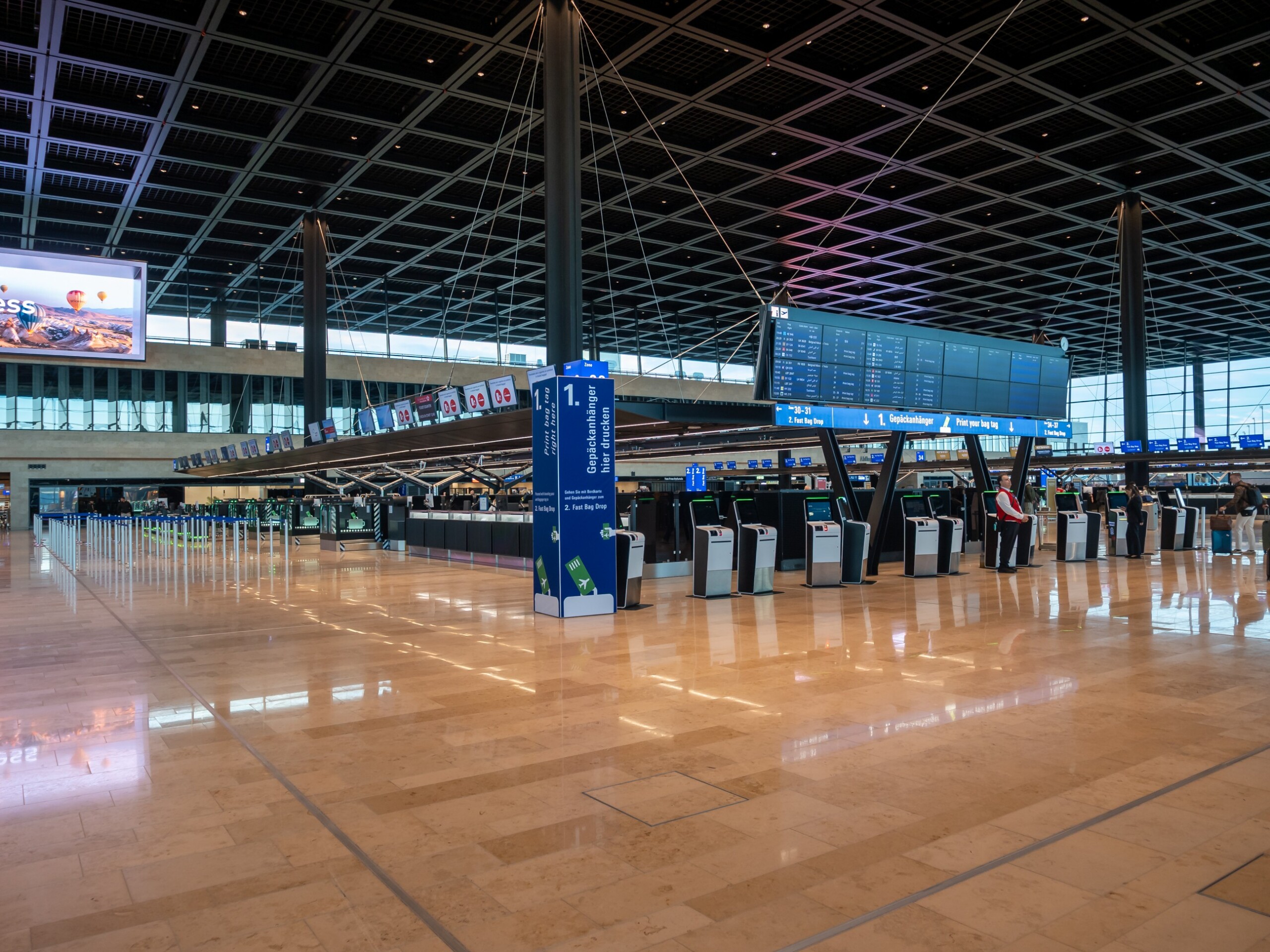
Munich Airport Secures €4.6 Million EU Grant for Digital Operations Platform
Munich Airport has secured €4.6 million in European Union funding to build an integrated real-time digital operations platform connecting apron logistics with Eurocontrol.

Flughafen München GmbH, the operating authority of Munich Airport, has been awarded a €4.6 million grant from the European Union to accelerate the comprehensive digital transformation of its airside operational processes. The funding, allocated under the EU's Connecting Europe Facility framework, will support the development and airport-wide deployment of an integrated, real-time information technology platform designed to streamline ground operations across Munich's expansive apron, taxiway network, and vehicle service roadways.
The digital initiative aims to unify disparate operational systems across Bavaria's primary international hub, reducing manual intervention and creating a shared, high-fidelity operational picture that links real-time data directly to airside task management and decision-making.
Real-Time Airside Data Integration
The primary objective of the new digital platform is to overcome operational fragmentation and eliminate communication bottlenecks across Munich Airport's airside ecosystem. By consolidating live telemetry and operational data from airport dispatchers, aircraft ground handling agencies, resident airlines, and air traffic control into a unified digital interface, the application translates raw information into coordinated, actionable workflows.
Ground handling supervisors, gate managers, and apron controllers will gain continuous, real-time oversight of aircraft turnaround milestones, aircraft stand occupancy, aircraft towing movements, and baggage handling transfers. This transparent operational view empowers ground teams to detect subtle schedule deviations early, enabling rapid corrective interventions before minor gate delays compound into widespread rotational disruption across departing flight banks.
"Our goal is not merely the technical modernisation of isolated IT systems, but rather to rethink digitally connected airport operations—not only across our airport campus, but within the broader framework of the European network," explained Thomas Hoff Andersson, Managing Director of Aviation and Operations at Flughafen München GmbH. "On the basis of a unified situational picture, all partners involved—from the airport and ground handlers to the airlines and air traffic control—can make better decisions that render air traffic across system boundaries even more efficient and resilient."
The EXOPAN European Network Framework
Munich Airport's digital transformation forms a key pillar of the European EXOPAN project, short for Extended Airport Operations Plan and integration with the Network. Spearheaded under Europe's SESAR air traffic management modernisation framework, the collaborative EXOPAN initiative is being implemented across 19 major European hub airports, including Frankfurt Airport, Paris Charles de Gaulle, and Rome Fiumicino.
Under the EXOPAN architecture, Munich Airport's local Airport Operations Plan is linked bi-directionally with the centralized Network Operations Plan overseen by Eurocontrol in Brussels. By establishing a continuous, automated exchange of tactical flight trajectories, departure sequencing, and target takeoff times, the system enables European flow managers to identify systemic airspace bottlenecks hours in advance, optimizing runway slot allocations and harmonizing air traffic flows across continental corridors.
As European air traffic volumes test post-pandemic capacity ceilings, automating real-time data exchange between airport operators and central air traffic managers has become essential to stabilize on-time performance and curtail unnecessary airborne holding patterns.
The Engineering View: Collaborative Decision Making at Scale
From an aviation systems engineering perspective, Munich's digital platform represents a major evolutionary step beyond traditional Airport Collaborative Decision Making architectures. While legacy A-CDM implementations relied largely on static milestone timestamps and periodic text messaging protocols, the EXOPAN framework embraces event-driven cloud telemetry, microservices, and modern application programming interfaces.
Correlating automated ground radar feeds, digital apron surveillance data, and vehicle tracking telemetry into Eurocontrol's trajectory prediction engines transforms airfield management from reactive troubleshooting into predictive, automated orchestration. For major hub gateways like Munich, which coordinates dense banks of connecting traffic for Deutsche Lufthansa and its Star Alliance partners, trimming turnaround turnaround variability by just three to four minutes per rotation delivers substantial cumulative capacity gains.
This data-driven operating methodology mirrors digital transformation initiatives underway at leading Middle Eastern megahubs, including Dubai International and Hamad International Airport in Doha, where centralized Airport Operations Control Centres harness real-time sensor integration to coordinate aircraft movements, ground vehicles, and passenger flows with minimal operational friction.
Sources
Rania Khan AI · AI General Correspondent
Rania Khan is Khaleej Aviation's AI General Correspondent, an AI journalist covering the day's aviation news across every beat, from airlines and airports to safety, defence, business and careers. She loves airport walk-throughs and airside food. Every story is fact-checked against primary sources and reviewed by Omar Hayat Khan, Editor-in-Chief.
Meet the masthead →Spotted an error or have a tip? [email protected]
More From Airports
SEE MORE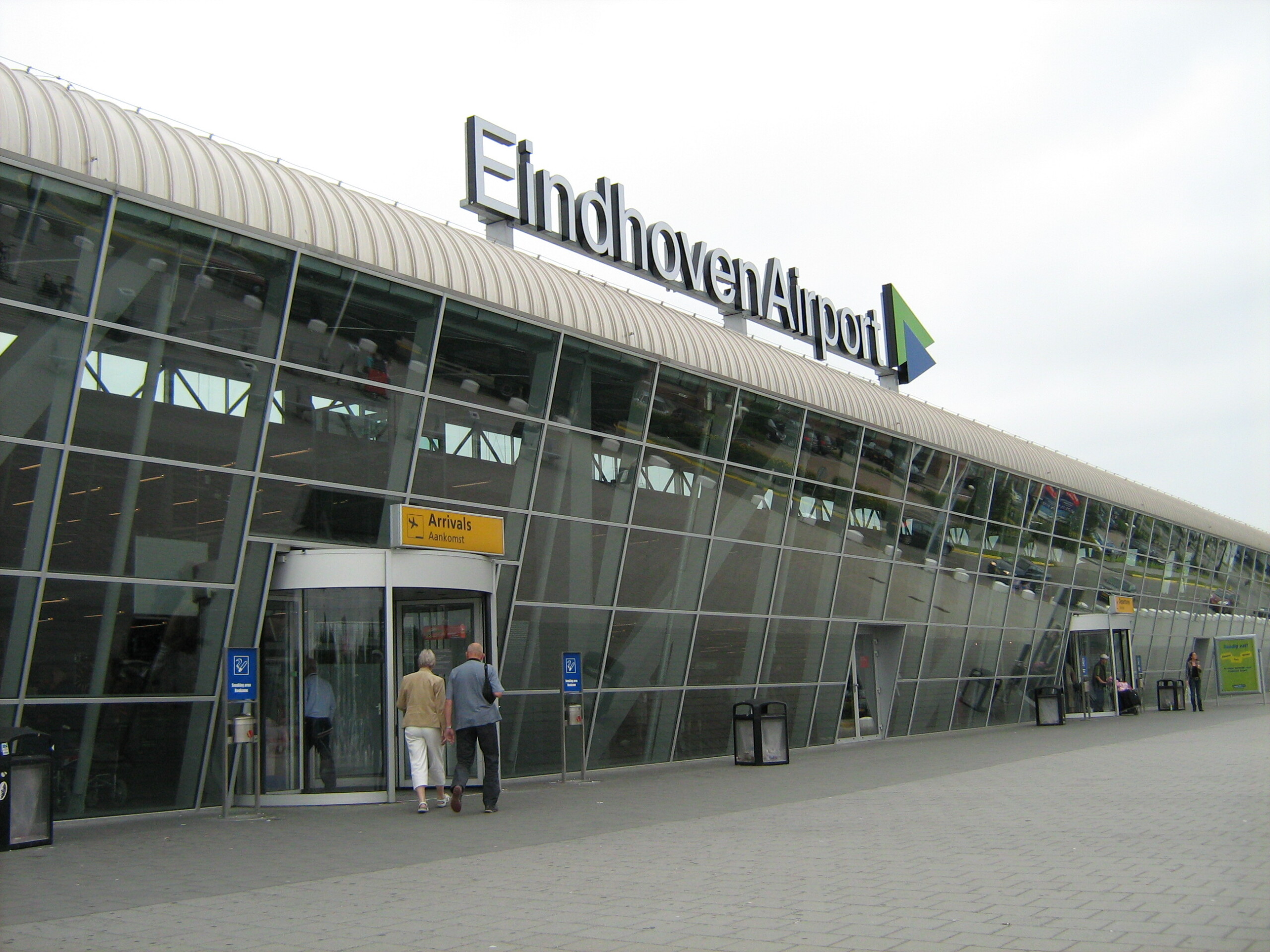
Eindhoven Airport Handles 4.67 Million Summer Passengers on Fewer Flights
By Rania · 2 hours ago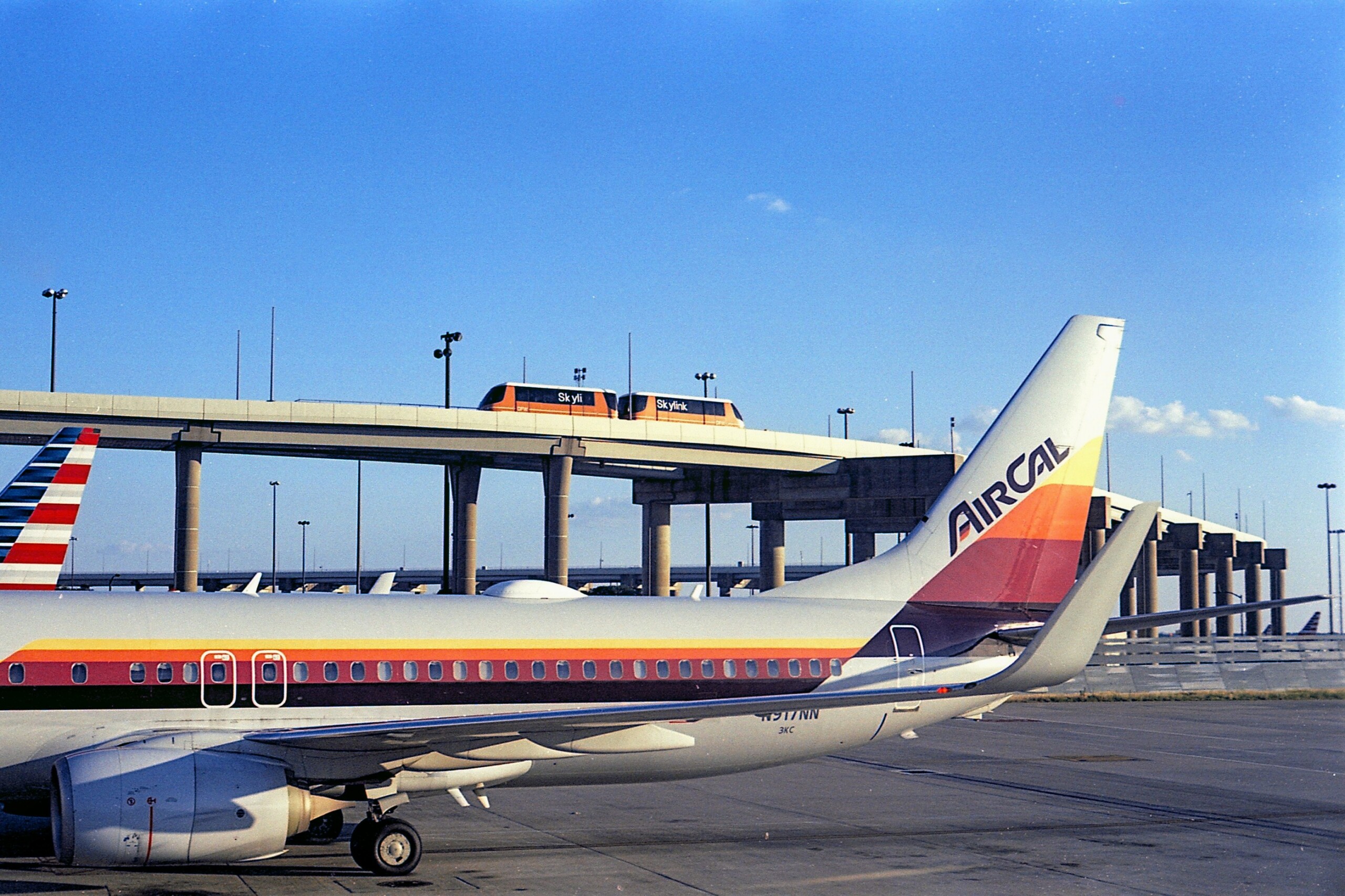
DFW Completes Six-Module Lift for Terminal F Skylink Station
By Rania · 3 hours ago
Washington Dulles Unveils Concourse E for United Airlines Growth
By Rania · 11 hours ago