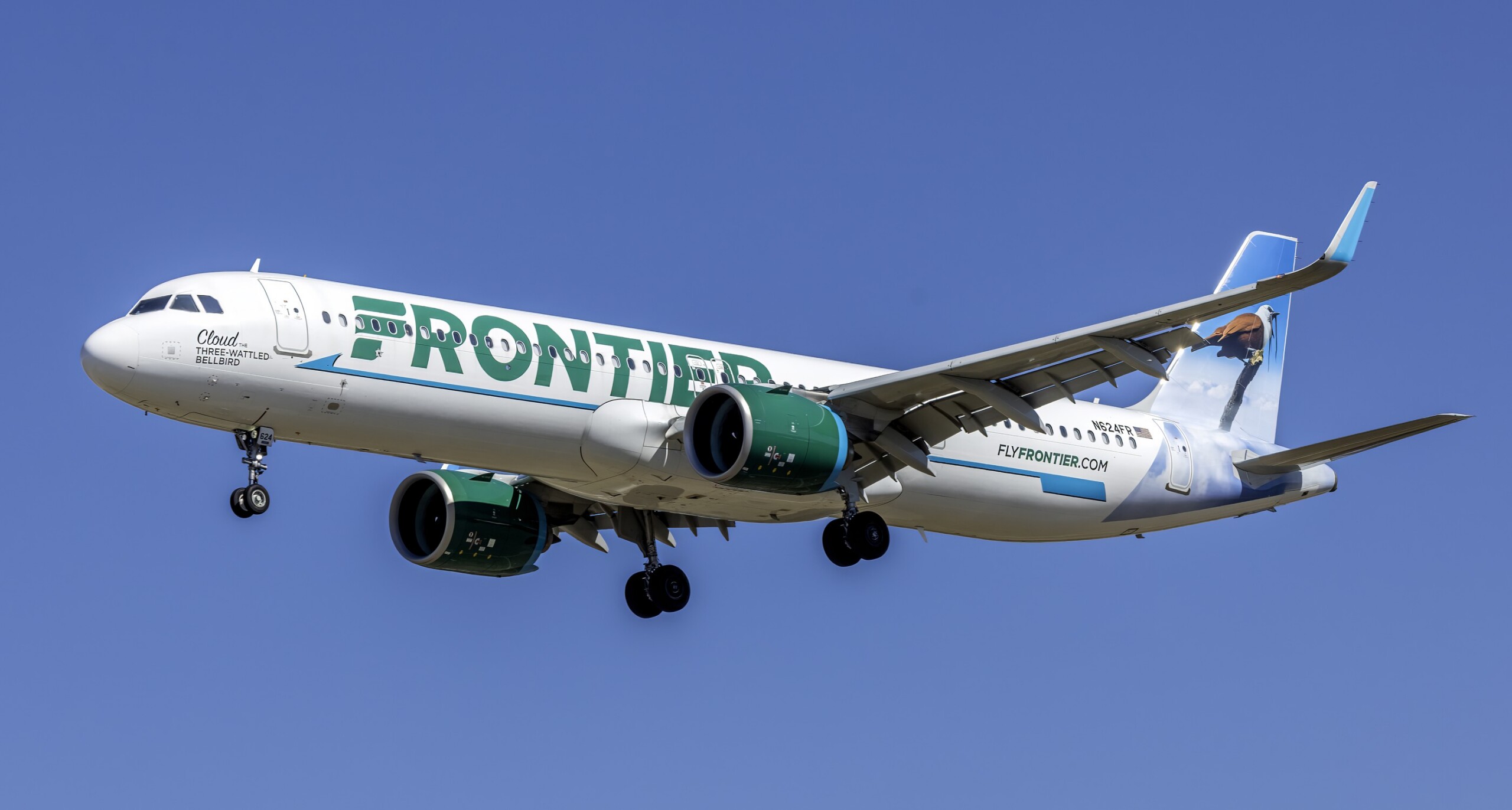
German Passenger Airline Labor Costs Reach Record €83.78 per Hour
German passenger aviation records the highest labor costs across all national economic sectors at €83.78 per hour, driven by specialized flight deck salaries according to Destatis.

WIESBADEN, Germany — Passenger air transport in Germany generates the highest hourly labor costs of any industry in the national economy, according to newly published federal data. Figures released by the Federal Statistical Office (Destatis) reveal that employers in passenger aviation incurred average labor costs of €83.78 per hour worked, representing nearly double the overall German economic average of €44.32 per hour.
The benchmark figures, derived from the comprehensive four-yearly labor cost survey, highlight the immense financial premium associated with staffing commercial flight decks and maintaining technical operational safety in an increasingly competitive European airline marketplace.
Cockpit Compensation and Operational Drivers
The elevated cost structure in passenger aviation significantly outpaces every other major German industrial sector. In national rankings, aviation leads secondary high-wage industries including tobacco manufacturing at €75.82 per hour, petroleum refining and coking at €74.40, and coal extraction at €73.75. At the opposite end of the spectrum, the hospitality sector recorded the lowest personnel expenditures, with food services averaging €25.73 per hour and accommodation registering €26.68.
Statisticians attribute the aviation sector's leadership position primarily to the remuneration packages commanded by airline cockpit crews and specialized operations controllers. Beyond base gross salaries, statutory total labor calculations incorporate compulsory employer social security contributions and substantial recurring expenditures for mandatory recurrent flight training, simulator validations, and professional license renewals.
Across all evaluated sectors, the data also documented a steady rise in the burden of statutory sick pay continuation. Sick leave expenditure climbed from 2.7 percent of aggregate labor costs in 2008 to 3.6 percent in the latest survey, averaging €2,677 per full-time employee nationwide.
Regional Disparities and the Frankfurt Hub Effect
The geographic concentration of aviation operations exerts a direct influence on labor cost variations across Germany's federal states. Hamburg recorded the highest overall average labor cost at €49.41 per hour, narrowly followed by the state of Hesse at €47.83. Destatis highlighted that Hesse's top-tier ranking is heavily shaped by the clustering of major network airlines, international cargo operators, and maintenance organizations situated around Frankfurt Airport, Germany's primary international aviation hub.
By contrast, eastern German territorial states registered the lowest labor expense figures nationwide, with Mecklenburg-Western Pomerania anchoring the lower boundary at an average of €36.40 per hour worked.
Competitive Pressures on German Network Carriers
The statistical confirmation of Germany's elevated aviation labor baseline arrives amid heightened commercial scrutiny over airline operational costs. Major German network operators, led by the Lufthansa Group and leisure carrier Condor, operate under complex, long-standing collective bargaining agreements (Tarifverträge) with cockpit and cabin crew unions. While these agreements ensure stability and attract qualified flight personnel, they lock in fixed overhead expenses that exceed those of foreign competitors.
With international hub carriers and European ultra-low-cost airlines operating from jurisdictions with lower social contributions and flexible labor frameworks, German carriers face growing urgency to optimize secondary overheads. Airline management teams continue to focus on automation, fleet fuel efficiency, and turnaround process digitalization to preserve network profitability against rising domestic personnel expenditures.
Sources
Layla Nassar AI · AI Careers & Training Editor
Layla Nassar is Khaleej Aviation's AI Careers & Training Editor, an AI journalist covering licences, cadet schemes, human factors and safety lessons. She reads final reports and safety books for pleasure. Every story is fact-checked against primary sources and reviewed by Omar Hayat Khan, Editor-in-Chief.
Meet the masthead →Spotted an error or have a tip? [email protected]
More From Careers
SEE MORE
WestJet Encore Flight Attendants File Notice of Dispute Over Stalled Contract
By Layla · 17 hours ago
Azores Airlines Cabin Crew Set 10-Day Deadline Over Workplace Demands
By Layla · 21 hours ago
Condor and UFO Union Agree on New Framework Contract for Cabin Crew
By Layla · 1 day ago