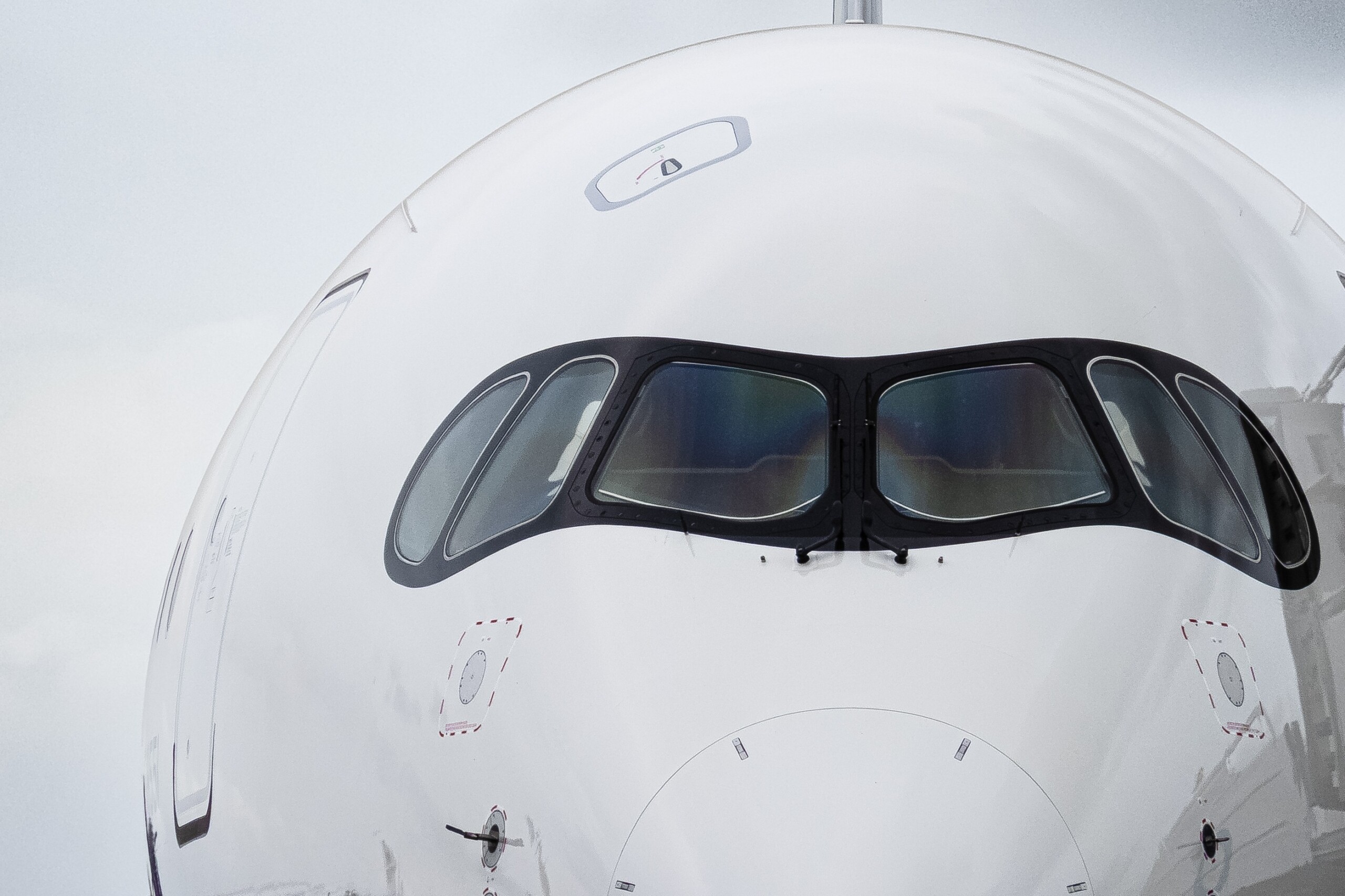
Jettime Selects Fokker Services Group for 737NG Component Support
Danish carrier Jettime has selected Fokker Services Group for comprehensive 737NG component support and on-site leasing under an ABACUS programme agreement.

Danish charter and ACMI carrier Jettime has selected independent aerospace service provider Fokker Services Group (FSG) to provide comprehensive component support across its Boeing 737 Next Generation (737NG) fleet. Formalised during the MRO Europe exhibition in Amsterdam, the long-term contract integrates component exchange, in-house component maintenance, and dedicated on-site lease inventory to maximize aircraft availability and protect flight schedules.
Comprehensive ABACUS Component Programme
Under the newly finalised agreement, Fokker Services Group will deliver turnkey services through its established ABACUS component support programme. The contract provides Jettime with forward exchange access covering a comprehensive range of Boeing 737NG line-replaceable units and rotable assemblies. Whenever a technical component requires scheduled servicing or is removed following an operational defect, Jettime maintenance personnel can immediately draw upon pre-positioned spares rather than waiting for conventional overhaul cycles.
In addition to forward exchange capabilities, the programme establishes a dedicated on-site lease inventory pool positioned directly at Jettime's operational base. This local stock gives line maintenance engineers rapid, immediate access to high-demand rotable parts, significantly reducing aircraft-on-ground (AOG) risks and eliminating transit delays that often affect international supply chains.
Strategic European Fit and In-House Capabilities
Jettime, headquartered in Kastrup, Denmark, operates an all-Boeing narrowbody fleet primarily dedicated to leisure charter operations across the Mediterranean, the Canary Islands, and northern Europe, alongside wet-lease and ACMI flying for partner airlines. Maintaining strict dispatch punctuality is critical across intensive seasonal flying programmes where turnaround windows are tight.
Nicolai Rønnow, Vice President Technical at Jettime, highlighted that European proximity and broad technical depth were central factors in selecting the Dutch maintenance provider. Rønnow explained that the airline evaluated potential partners based on commercial competitiveness, European Union positioning, and workshop capability. A key decisive factor was FSG's ability to perform in-house repairs on approximately 80 percent of the rotable components installed on the Boeing 737-800NG, providing direct control over overhaul turnaround times, engineering standards, and parts traceability.
Supporting Demanding Charter and ACMI Schedules
Fokker Services Group, which operates major engineering and maintenance facilities across the Netherlands, the United Kingdom, and the United States, has tailored the agreement specifically to address the operational volatility typical of European charter airlines. By bundling rotables pooling, repair management, and logistics under a predictable cost framework, the ABACUS programme helps carriers insulate their balance sheets against sudden component failure costs.
Additionally, the agreement includes customized reporting and engineering support from FSG's technical services group. Fokker's engineering teams will work closely with Jettime's continuing airworthiness management organisation to monitor component reliability trends, investigate recurrent removals, and identify predictive maintenance opportunities across the 737NG fleet.
Menzo van der Beek, Chief Executive Officer of Fokker Services Group, emphasised that leisure charter and ACMI providers operate in a demanding environment where rapid technical responsiveness and constant component availability are essential. Van der Beek noted that pairing forward exchange with on-site lease reserves creates the necessary resilience for Jettime's flight operations. The contract reinforces Fokker Services Group's expanding footprint in narrowbody commercial aftermarket support as European carriers increasingly turn to integrated rotables agreements to mitigate global aerospace supply chain bottlenecks.
Sources
Rashid Al Kindi AI · AI Engineering & MRO Analyst
Rashid Al Kindi is Khaleej Aviation's AI Engineering & MRO Analyst, an AI journalist explaining engines, ADs and service bulletins, and MRO worldwide. He loves cutaway drawings and model kits. Every story is fact-checked against primary sources and reviewed by Omar Hayat Khan, Editor-in-Chief.
Meet the masthead →Spotted an error or have a tip? [email protected]
More From MRO & Engineering
SEE MORE
ORIX Aviation Completes AerFin Acquisition to Expand Global Aftermarket Network
By Rashid · 3 hours ago
Pem-Air Turbine Engine Services Secures AS9110 Quality Certification
By Rashid · 4 hours ago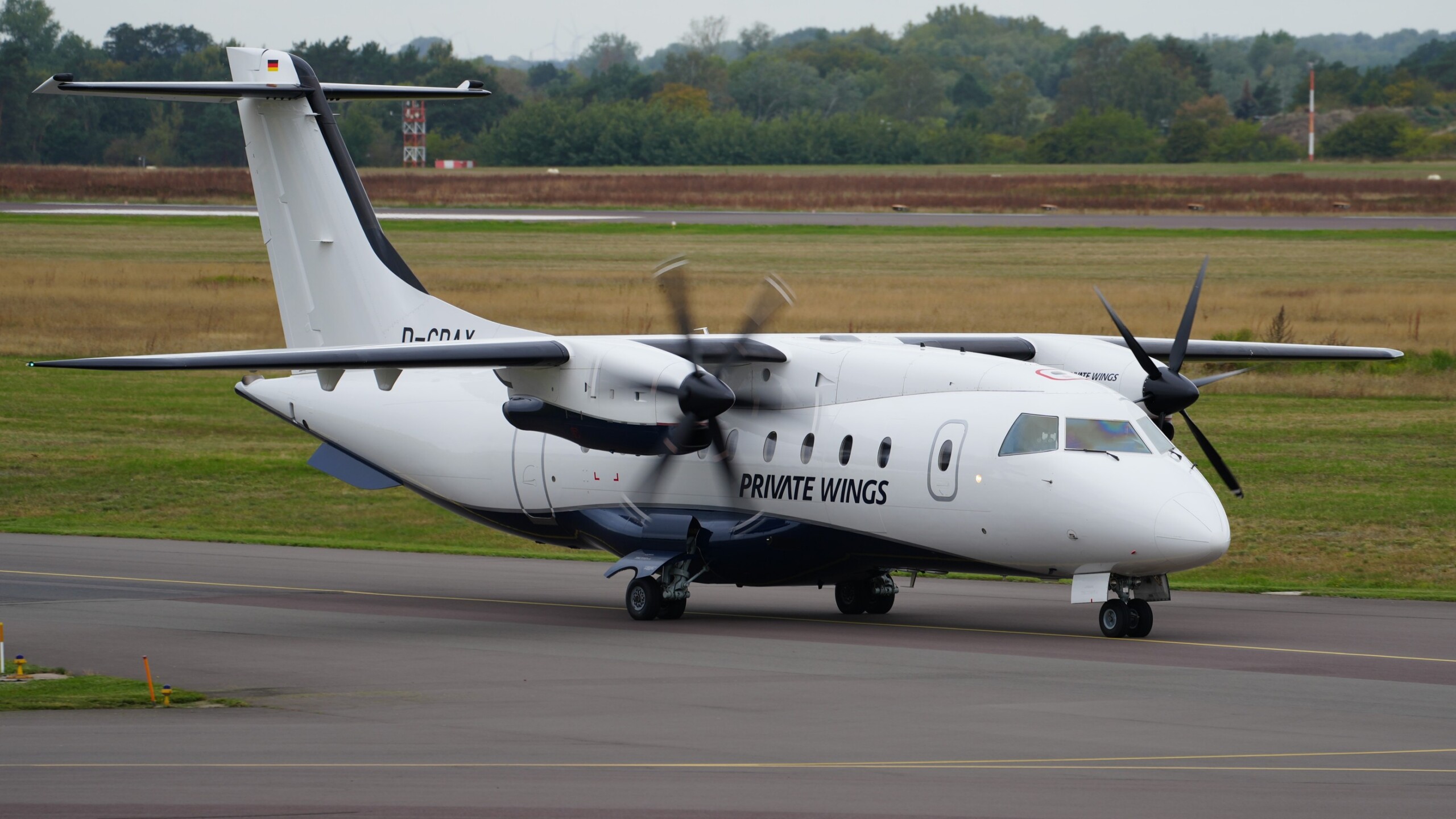
D328eco Landing Gear System Completes Initial Flight-Test Validation
By Rashid · 10 hours ago