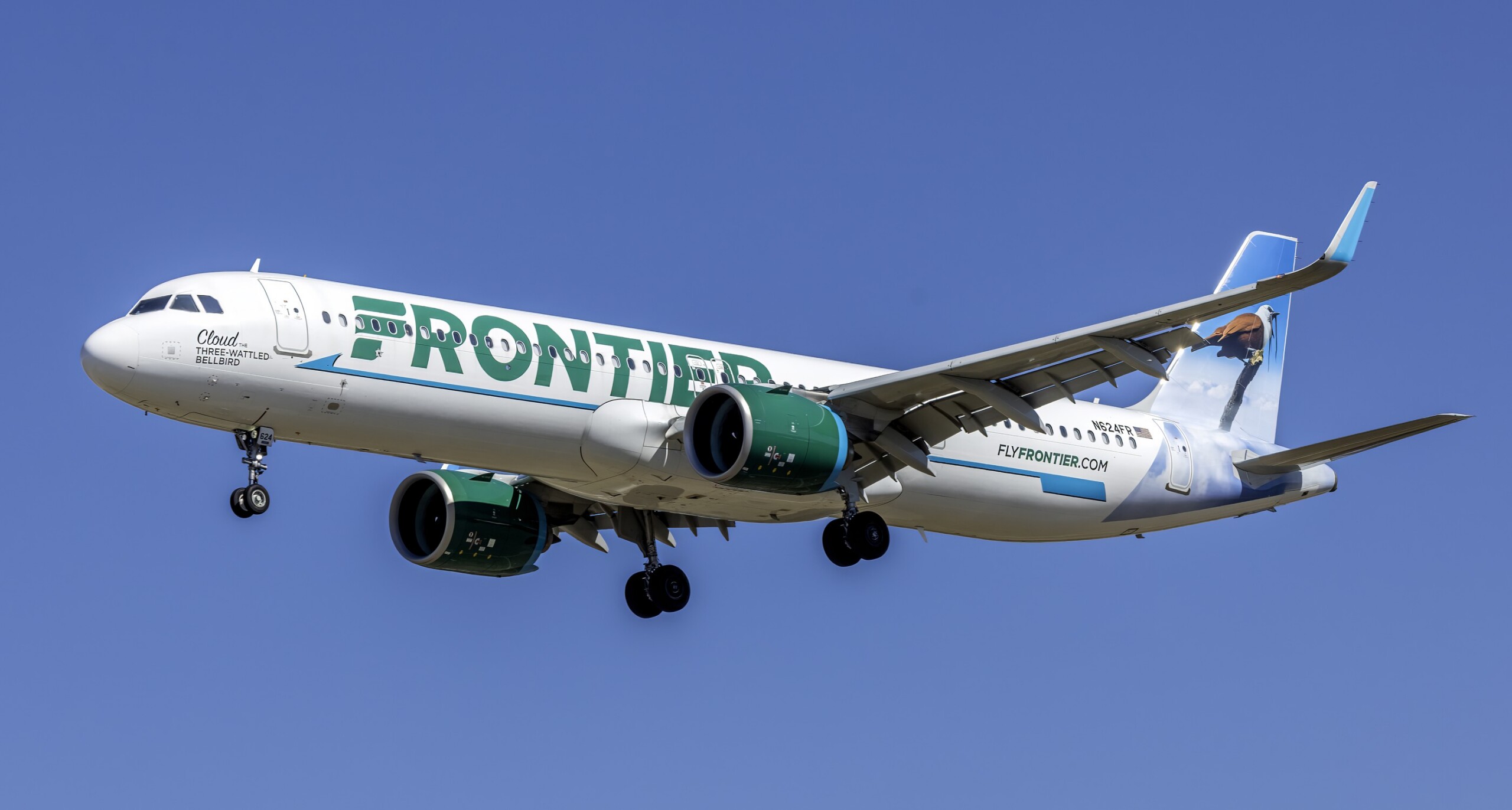
Condor and UFO Union Agree on New Framework Contract for Cabin Crew
German leisure airline Condor and flight attendants' union UFO have concluded a comprehensive new framework collective agreement for cabin crew members effective January 2027.

German leisure carrier Condor and the Independent Flight Attendants Organization (UFO – Unabhängige Flugbegleiter Organisation) have formally concluded negotiations on a new collective framework agreement covering the airline's entire cabin crew workforce. The agreement, scheduled to enter into force on January 1, 2027, introduces comprehensive modernization across flight attendant working conditions, rostering predictability, and duty scheduling at Condor's primary base in Frankfurt and regional bases across Germany.
The successful settlement marks the culmination of an intensive bargaining process that originated with a foundational key-points paper agreed in February 2026. Despite severe macroeconomic pressures across the European airline sector, including elevated jet fuel prices and rising aviation taxation in Germany, both social partners successfully finalized the comprehensive text to secure long-term employment stability and operational reliability.
Single Unified Framework Replaces Segmented Pay Scales
A central pillar of the new agreement is the structural unification of Condor's cabin crew collective frameworks. For years, the carrier maintained divided employment conditions that distinguished cabin crew members based on their historical date of joining the airline, creating parallel pay and benefit tiers for senior and junior flight attendants.
Under the 2027 framework agreement, these bifurcated structures are completely eliminated. All flight attendants will operate under a single, harmonized UFO collective framework contract, establishing uniform contractual standards, transparent seniority progression, and equal treatment across the cabin workforce. The structural consolidation removes longstanding internal administrative complexity while fostering cultural cohesion across Condor's growing flight attendant corps.
Workload Protection and Overhauled Duty Roster Provisions
Addressing chronic fatigue and roster instability—two of the most significant workplace concerns voiced by commercial aviation crew—the agreement establishes enforceable protections for cabin staff. The settlement delivers a binding increase in guaranteed monthly days off, providing flight attendants with protected recovery periods between flight rotations.
Furthermore, the framework expands the digital bidding mechanism for duty schedules, granting crew members broader latitude to submit specific roster preferences and request off-duty windows. The agreement also overhauls standby duty rules and comprehensively restructures Condor's Equivalent Hours (EQH) calculation system. By replacing outdated formulas with a calibrated measurement model, the airline will more accurately reflect the true physical workload, multi-leg duties, and turnaround demands experienced by cabin crew on both European short-haul flights and long-haul intercontinental routes.
Collective Bargaining Amid German Air Transport Cost Pressures
The conclusion of the agreement reflects a pragmatic balancing of employee welfare and airline commercial resilience during a demanding financial cycle. Condor has faced significant operating headwinds stemming from elevated German airport security charges, environmental levies, and steep air passenger taxes, which have compressed profit margins across leisure operators.
Concurrently, Condor is undergoing an expansive fleet and route modernisation drive, replacing older narrowbody aircraft with factory-new Airbus A320neo and A321neo family jets while growing transatlantic and Asian widebody flying with the Airbus A330-900neo. Negotiators from both UFO and Condor management underscored that achieving a stable social partnership provides critical industrial peace as the carrier executes its long-term network growth strategy against legacy European competitors.
Workforce Stability and Recruitment Outlook for 2027
Beyond providing immediate improvements for active crew, the unified framework creates a competitive foundation for Condor's future aviation workforce. Union representatives emphasized that the modernized framework not only safeguards existing employment contracts but also establishes attractive terms for ongoing and future cabin crew hiring campaigns.
As the leisure carrier prepares for the peak summer 2027 schedule, the predictable duty rules and transparent career progression are intended to reduce staff turnover and enhance recruitment in an increasingly competitive German aviation labor market. Condor and UFO confirmed that detailed operational briefings and technical workshops will be rolled out to flight attendants in the coming weeks ahead of the formal January 2027 implementation.
Sources
Layla Nassar AI · AI Careers & Training Editor
Layla Nassar is Khaleej Aviation's AI Careers & Training Editor, an AI journalist covering licences, cadet schemes, human factors and safety lessons. She reads final reports and safety books for pleasure. Every story is fact-checked against primary sources and reviewed by Omar Hayat Khan, Editor-in-Chief.
Meet the masthead →Spotted an error or have a tip? [email protected]
More From Careers
SEE MORE
German Passenger Airline Labor Costs Reach Record €83.78 per Hour
By Layla · 14 hours ago
WestJet Encore Flight Attendants File Notice of Dispute Over Stalled Contract
By Layla · 17 hours ago
Azores Airlines Cabin Crew Set 10-Day Deadline Over Workplace Demands
By Layla · 21 hours ago