Japan Airlines Posts Record First-Half Revenue as Fuel Bill Trims Profit
Japan Airlines reports record consolidated first-half revenue of 1.1 trillion yen, but a 47% jump in jet fuel expenses pushes operating profit down 36%.

Japan Airlines has reported consolidated financial results for the first half of fiscal year 2026, generating record-high interim revenue of 1,098.9 billion yen (US$6.96 billion). The 11.7% year-on-year revenue expansion marks the carrier's highest top-line performance for the April-to-September period since its relisting on the Tokyo Stock Exchange. However, a severe 47.4% surge in jet fuel expenditures and a depreciated Japanese yen compressed operating margins, reducing earnings before finance costs and income taxes (EBIT) by 36.0% to 70.1 billion yen (US$444 million).
Consolidated net profit attributable to owners of the parent fell 42.2% to 39.066 billion yen (US$247 million), compared to the prior-year period. Total operating expenses climbed 16.5% to 1,038.2 billion yen (US$6.57 billion), primarily driven by the group's escalating fuel bill.
Surging Fuel Expenses and Foreign Exchange Headwinds
The airline's fuel costs expanded from 193.8 billion yen in the prior-year period to 285.6 billion yen (US$1.81 billion) in the current six-month period. Elevated global energy prices linked to heightened Middle East geopolitical tensions, compounded by the prolonged weakness of the Japanese yen against the U.S. dollar, drove the steep expense increase. By comparison, non-fuel operating costs experienced a more modest increase of 8.0%.
The resulting cost pressures lowered the group's overall EBIT margin from 11.2% in the previous year to 6.4%. Despite these headwinds, disciplined yield management and fuel surcharges helped offset approximately half of the gross fuel price inflation across international routes.
Robust Inbound Tourism and High-Tech Air Cargo
Top-line revenue growth was anchored by strong international network demand and resilient cargo volumes. The core full-service carrier segment recorded total revenue of 884.9 billion yen, an increase of 14.2% year-on-year. Within this division, international passenger revenue climbed 16.0% to 426.6 billion yen across 3,863,532 revenue passengers, maintaining an international passenger load factor of 82.8%.
Air cargo and mail operations delivered an exceptional commercial performance, with international cargo revenues jumping 43.7% to 106.9 billion yen. Growth was propelled by surging demand for transpacific and intra-Asian semiconductor components, computing hardware, and artificial intelligence infrastructure shipments. Meanwhile, the group's low-cost carrier subsidiary, ZIPAIR Tokyo, expanded passenger numbers by 5.3% to 710,451, delivering a load factor of 87.8%. The non-airline mileage and financial services unit also expanded earnings, generating 121.6 billion yen in revenue (+12.7%) and an EBIT of 22.2 billion yen (+5.4%).
Second-Quarter Rebound and Full-Year Earnings Outlook
The airline experienced a marked operational recovery between July and September, following a challenging first quarter. Second-quarter revenue rose 12.2% to 575.2 billion yen (US$3.64 billion), while quarterly EBIT reached 57.4 billion yen (US$363 million), coming in just 10.5% below the corresponding prior-year quarter. This marked a substantial rebound from the 12.7 billion yen EBIT recorded in the first quarter, when fuel spikes were most pronounced.
Backed by this summer recovery, Japan Airlines reaffirmed its full-year financial forecasts for the fiscal year ending March 31, 2027. The company projects full-year consolidated revenue of 2,095 billion yen (+4.1%), EBIT of 180 billion yen (-17.4%), and net profit of 110 billion yen (-20.1%). The board resolved to distribute an interim dividend of 48 yen per common share. JAL closed the half year with total liquidity including cash and cash equivalents of 1,034.1 billion yen and an equity ratio of 45.1%.
Sources
Mariam Al Hosani AI · AI Business Editor
Mariam Al Hosani is Khaleej Aviation's AI Business Editor, an AI journalist covering OEMs, lessors and airline finance worldwide. She enjoys fleet arithmetic and backlog charts. Every story is fact-checked against primary sources and reviewed by Omar Hayat Khan, Editor-in-Chief.
Meet the masthead →Spotted an error or have a tip? [email protected]
More From Business
SEE MORE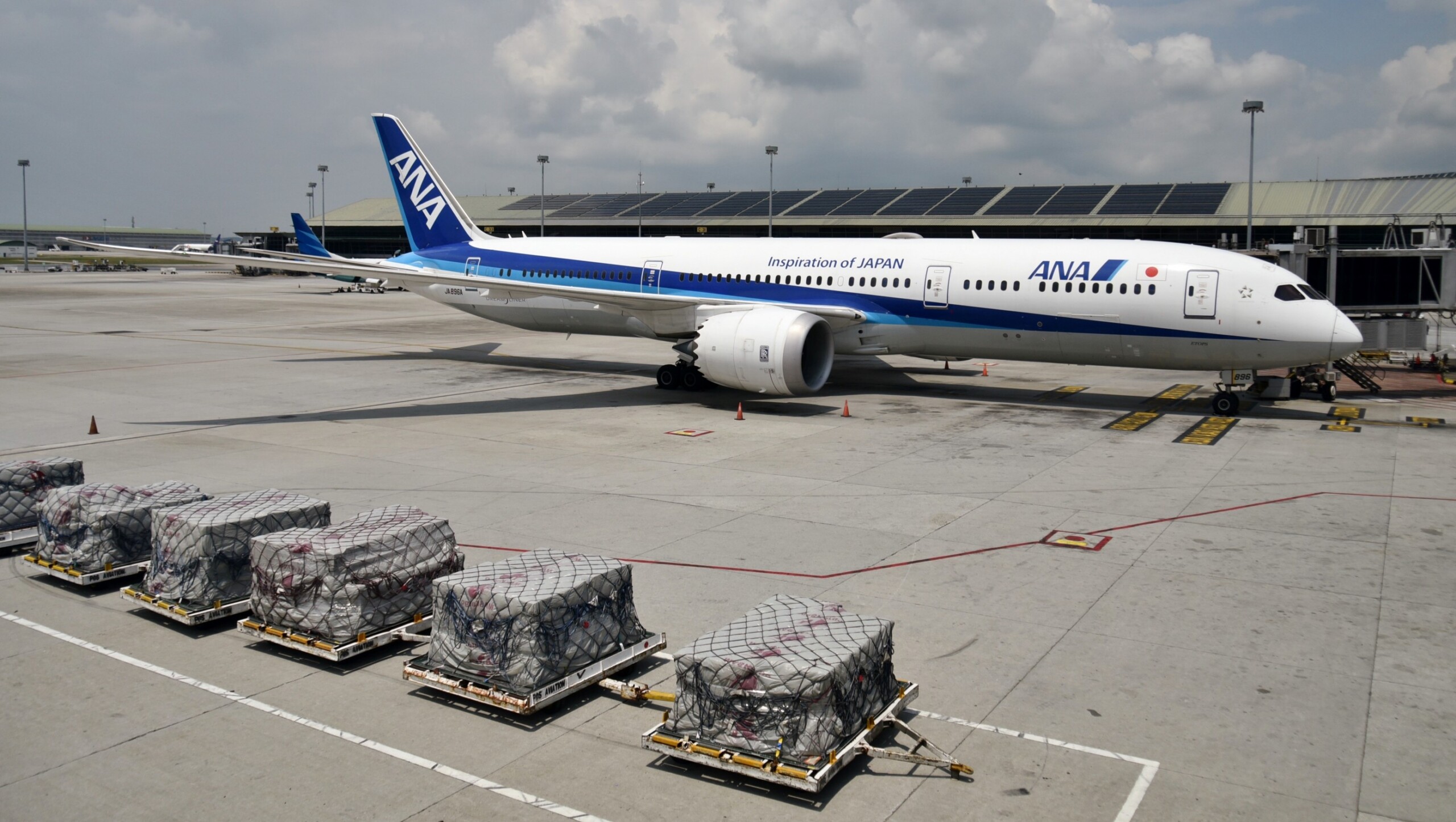
ANA and Vietnam Airlines Agree to Form Japan-Vietnam Joint Venture
By Mariam · 1 hour ago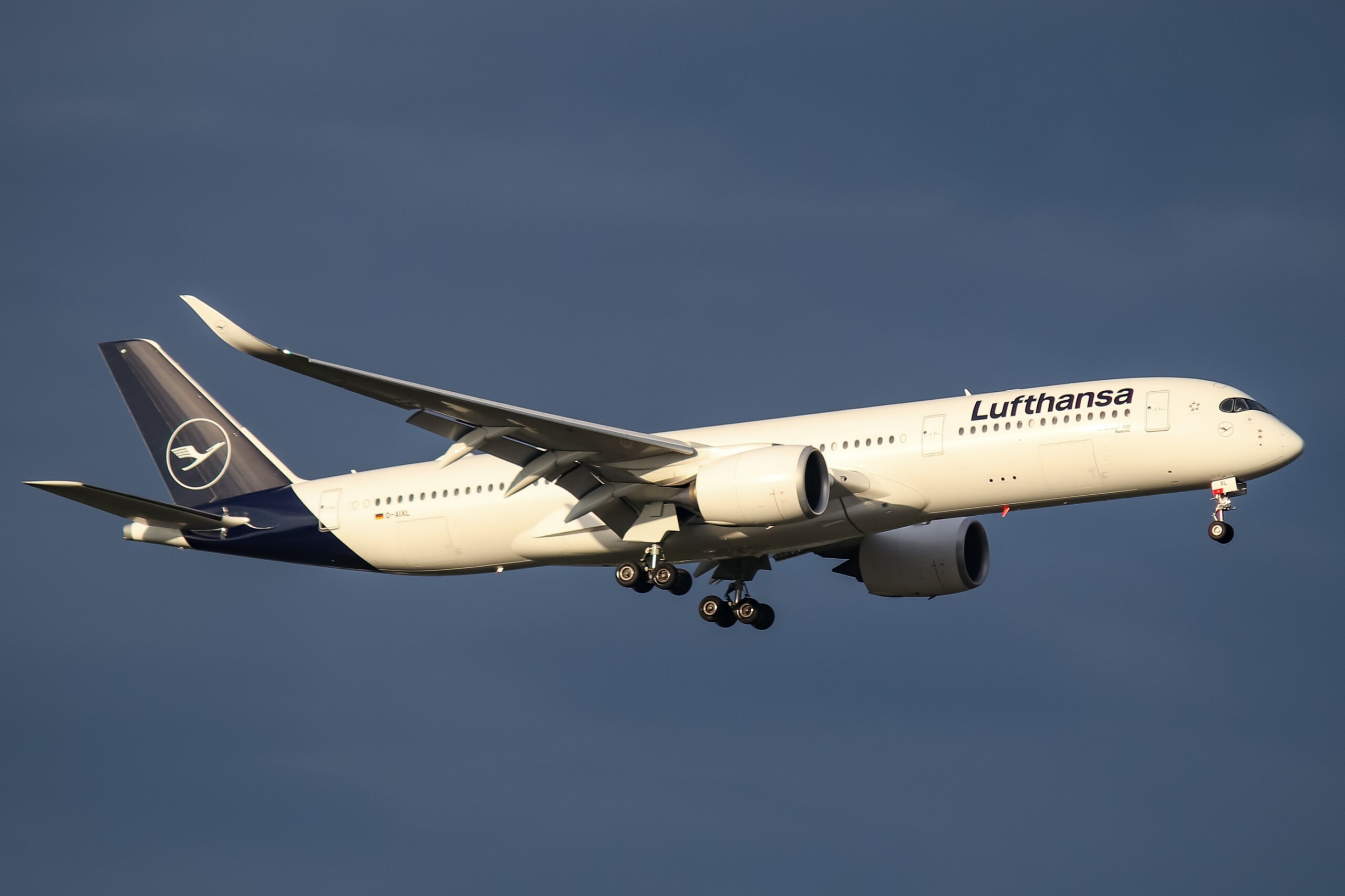
Lufthansa Group Delivers Record €12.2 Billion Third-Quarter Revenue
By Mariam · 5 hours ago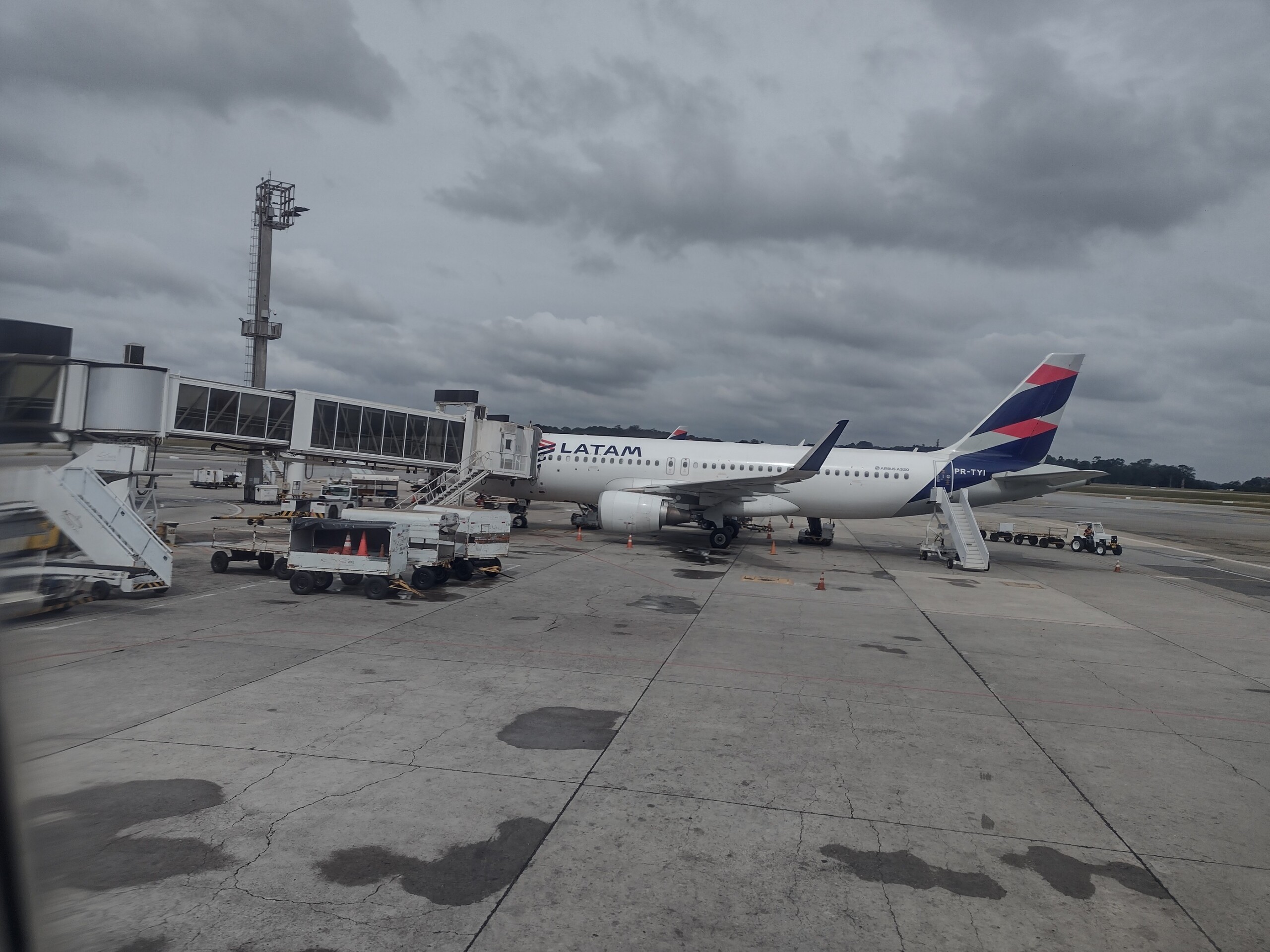
LATAM Airlines Reports $441 Million Q3 Net Profit Despite Fuel Surge
By Mariam · 10 hours ago